Find the Best Auto Parts Shop Near You for Your Car's Needs in Singapore
Locating a dependable auto parts shop nearby that consistently provides quality used car parts and handles scrap car services in Singapore can significantly save you time, money, and effort when your vehicle requires repairs or needs to be disposed of. This guide will walk you through identifying top-notch used car parts, the straightforward process for scrapping your vehicle in Singapore, and the logistics involved in exporting salvaged components for international buyers. You’ll learn practical methods for checking if a part is roadworthy, the essential documents needed for car deregistration and ELV disposal, and how to assess local suppliers for inventory clarity and adherence to regulations. We also cover the typical workflow for selling scrap cars, options for export packing, and the environmental and economic advantages of vehicle recycling that contribute to a circular economy. Throughout, we’ll address common searches like “auto parts shop near me,” “used car parts Singapore,” and “sell scrap car Singapore,” demonstrating how a comprehensive provider can streamline administrative tasks and ensure quality.
Why Choose Used Car Parts in Singapore?
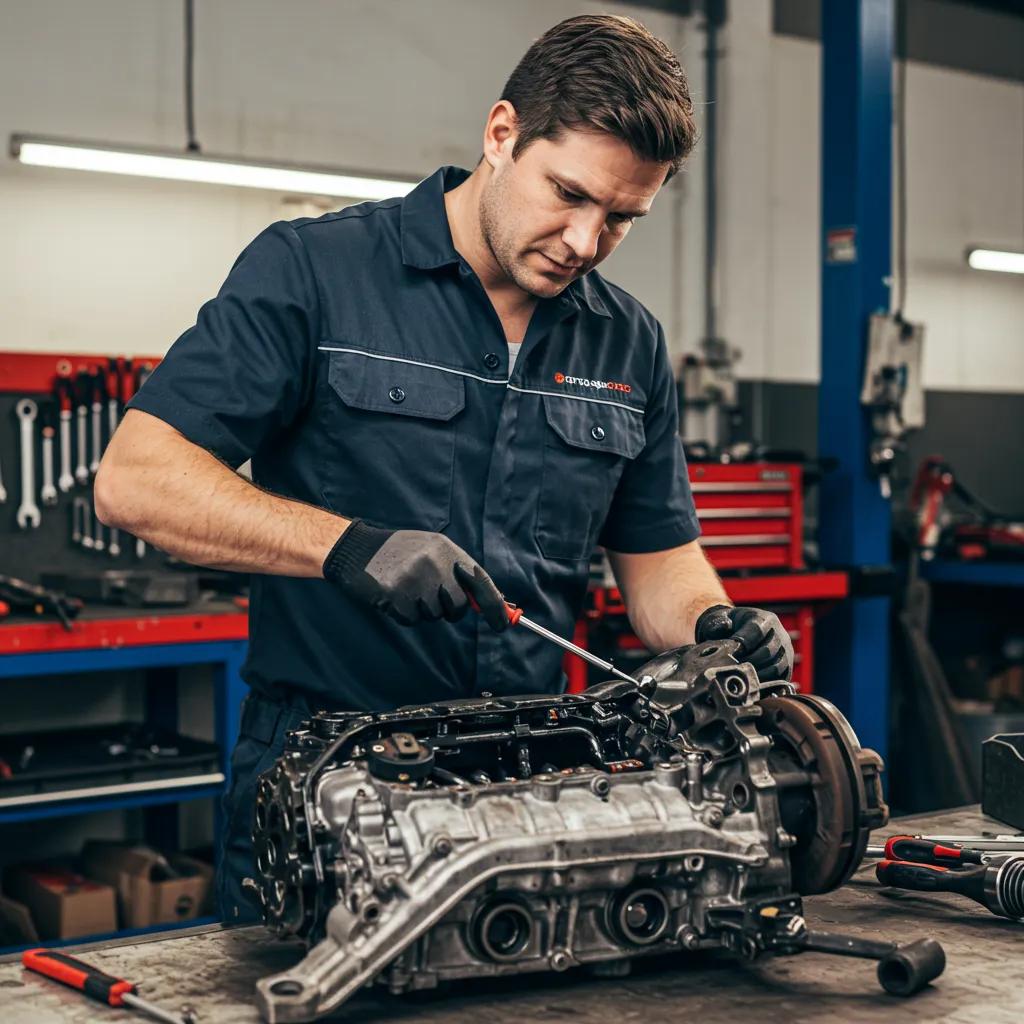
Opting for used car parts in Singapore offers distinct advantages in terms of cost, availability, and environmental impact. Used parts are essentially reclaimed components that still hold functional value, thereby reducing the demand for new manufacturing. The principle is simple: salvaged original equipment manufacturer (OEM) parts often perfectly match the specifications and performance requirements of older vehicle models, leading to lower replacement costs and quicker repairs. This means drivers can often find rare or discontinued parts, and workshops can source brand-specific components more readily than ordering new ones. Understanding these benefits helps you make informed decisions between new and used parts, considering safety-critical needs and long-term value, and sets the stage for practical inspection and purchasing steps.
Here are the key advantages of choosing used car parts:
- Gain faster access to specific brand components for older models that are no longer in production.
- Benefit from lower purchase prices compared to new OEM or aftermarket parts, especially for non-safety-critical repairs.
- Contribute to environmental conservation by reducing manufacturing demand and extending component lifecycles.
These benefits highlight the importance of balancing cost savings with thorough quality checks before making a purchase. The following section will detail how used parts translate into tangible savings for vehicle owners.
How Can Used Car Parts Save You Money?
Used car parts offer significant cost savings primarily by bypassing the premium associated with new manufacturing and retail distribution, while still retaining their functional value. This approach is particularly effective for non-safety-critical components. Many parts, such as body panels, lighting fixtures, and certain suspension elements, can be refurbished or installed with minimal adjustments, drastically cutting down replacement expenses. For instance, acquiring a used OEM bumper or tail light for an older vehicle can eliminate long waiting times and markups, with labour costs remaining the primary expense. However, it’s crucial to assess wear, compatibility, and expected remaining service life before buying to ensure a favourable cost-benefit ratio.
Selecting used parts necessitates careful review of inspection reports and seller guarantees to mitigate the financial risk of premature failure and protect your investment. The next subsection will outline common quality standards and inspection checkpoints to guide your purchasing decisions.
What Quality Standards Should You Expect from Used Auto Parts?
Quality standards for used auto parts centre on functionality, safety, and transparent reporting of their condition, with inspection points designed to test operation, wear limits, and compatibility. Inspectors typically confirm that moving parts operate smoothly, structural components show acceptable levels of corrosion or impact history, and electrical parts function correctly under load. This rigorous process ensures roadworthiness and minimises returns. Buyers should expect detailed condition notes, accompanying photographs, and verification of compatibility as standard practice, along with clear disclosure of any repairs or refurbishments undertaken. Such documentation empowers confident purchasing and sets clear expectations regarding potential warranty or return policies.
Transparent inspection practices also enable workshops and international buyers to confirm fitment before committing to a purchase. Understanding these standards will help you identify reputable suppliers when you’re searching for an auto parts shop near me.
Which Popular Used Car Parts Are Available Locally?
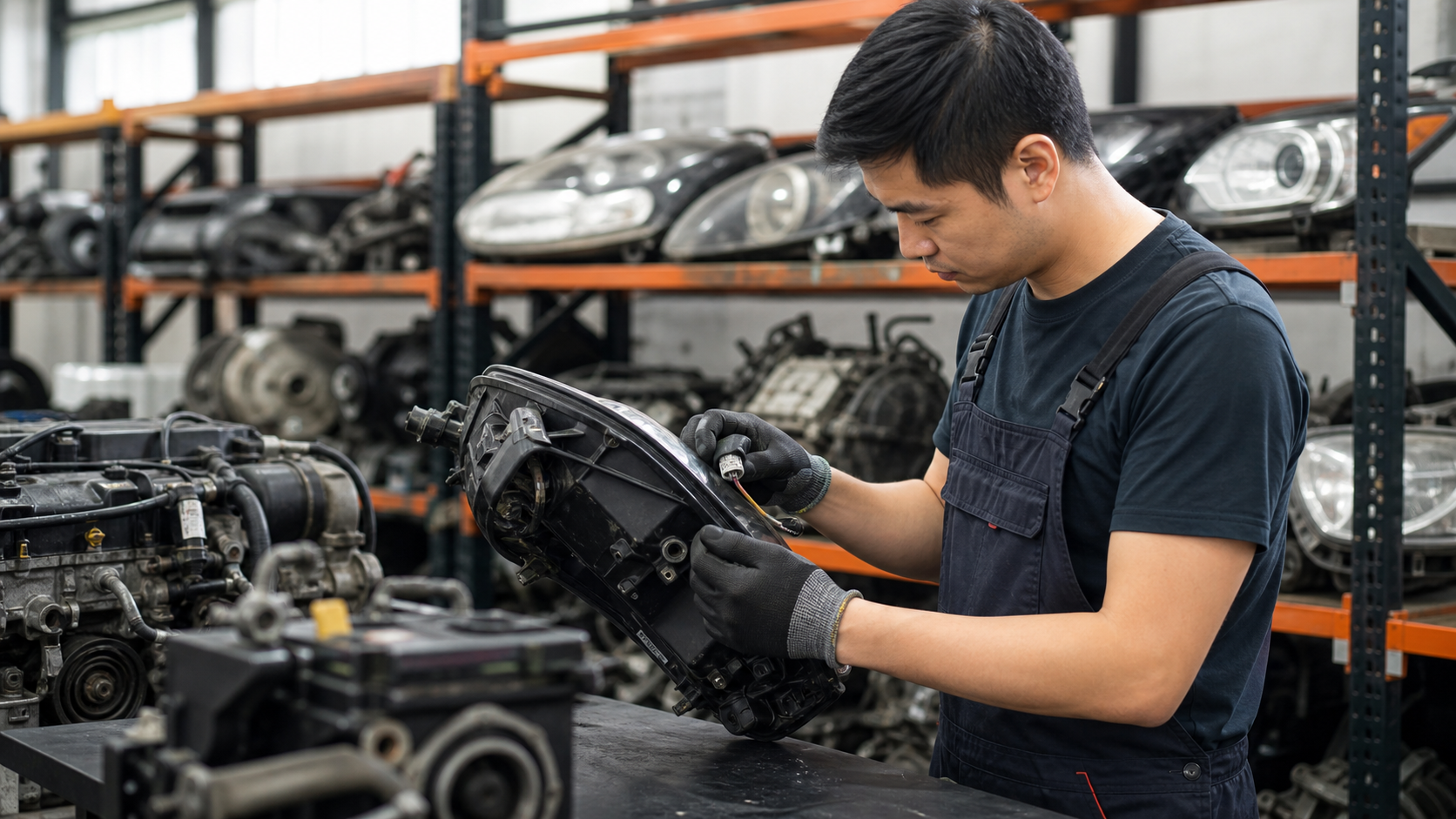
Salvage yards and dismantlers in Singapore commonly stock a variety of high-demand parts for both repair shops and individual buyers. These include used engine components, used gearbox parts, used suspension parts, and used body and lighting parts. This supply chain is enabled by in-house dismantling and part grading processes that separate serviceable assemblies, such as complete engines or gearboxes, from non-repairable scrap. Buyers can typically find engines, transmissions, shock absorbers, control arms, bumpers, doors, headlights, and taillights for a wide range of models, facilitating repairs without lengthy import delays. Knowing which categories are most readily available can help you prioritise your searches and request condition reports for specific items like pistons, shafts, or mounts.
For buyers seeking specific brand components, establishing direct communication with suppliers and requesting confirmation of fitment can significantly reduce compatibility risks and improve procurement efficiency.
How Does the Scrap Car Process Work in Singapore?
The scrap car process in Singapore is a structured, regulated procedure that guides a vehicle from valuation through collection, dismantling, deregistration, and final payout, ensuring compliance with Land Transport Authority (LTA) regulations while maximising the recovery of salvageable components. The process begins with an End-of-Life Vehicle (ELV) assessment and concludes with proper disposal or export of parts, resulting in completed paperwork and material recycling. Understanding the entire process helps owners prepare the necessary documents and select a buyer who can manage the administrative steps on their behalf. The following steps and a supporting table clarify responsibilities, required documents, and expected outcomes for each phase.
Here are the essential steps for scrapping a car in Singapore:
- Request a valuation and accept an offer from a scrapping buyer.
- Arrange for vehicle collection and transfer to a dismantling facility.
- Oversee dismantling to remove salvageable parts and process recyclable materials.
- Submit deregistration documents to the LTA and manage PARF/COE payout processes as applicable.
- Confirm final payout and receive official proof of deregistration.
- Complete record-keeping for environmental and tax purposes.
These steps outline the seller’s journey and lead into a concise table that clarifies responsibilities and helps owners anticipate timeframes and outcomes. The next subsection will provide more detail on the typical documentation required.
What Are the Step-by-Step Procedures to Scrap Your Car?
The procedural sequence for scrapping a car begins with an initial valuation, followed by acceptance and collection, then proceeds to dismantling and administrative closure, including deregistration and payout. This provides a clear path from the owner to final disposal. Valuation typically assesses the value of salvageable parts and any applicable PARF/COE entitlements. Acceptance triggers coordination for towing and transfer authorizations to a dismantler. Dismantling involves separating reusable assemblies from recyclable materials and documenting removed parts to support resale and export channels. The final administrative steps include submitting deregistration forms to the LTA and reconciling any PARF or COE payouts, culminating in official deregistration and final payment to the owner.
Understanding this sequence allows owners to choose a provider that can manage each step efficiently. The following subsection lists the specific documents commonly required to complete deregistration and scrapping.
What Documents Are Needed for Car Deregistration and Scrapping?
To complete deregistration and scrapping, you’ll need essential documents such as the vehicle log card, owner identification, transfer or authorization forms, and potentially a power of attorney if a third party is acting on your behalf, ensuring compliance with LTA regulations. Dealers or scrappers often request copies of your NRIC, the original log card, and a signed authorization for vehicle collection to prevent processing delays. They will then submit the necessary LTA forms to confirm deregistration. Missing paperwork is a common cause of extended processing times, so it’s vital to keep originals and clear copies readily available. Service providers offering end-to-end handling typically assist in gathering, submitting, and verifying these documents to streamline the closure process.
Knowing which documents to prepare in advance can significantly reduce friction and expedite the payout process. The next subsection will demonstrate how a comprehensive buyer can manage these obligations seamlessly.
How Does Everise Auto Ensure Hassle-Free Scrap Car Services?
Everise Auto, operating as Singapura Cars & Parts PTE LTD, provides comprehensive scrap car services that include in-house dismantling, meticulous paperwork handling, and administrative coordination to simplify the ELV disposal process for sellers. The company’s core promise is a “Right Parts, Right Price” guarantee coupled with a hassle-free service model. This includes managing vehicle de-registration, PARF and COE payouts, export permits, and all necessary paperwork on behalf of the owner. This integrated approach minimises the seller’s responsibility for logistical and regulatory tasks, while ensuring that salvageable parts are thoroughly inspected and graded in-house for potential reuse or export. Owners seeking a streamlined disposal and sales experience should request a formal valuation and confirm the extent of administrative support provided when engaging a buyer.
This practical example illustrates how a single-source provider can alleviate administrative burdens. The next H2 section will guide you in locating reliable local suppliers for both used parts and scrap services.
Where Can You Find Reliable Auto Parts Shops Near Me in Singapore?
Identifying reliable auto parts stores in your vicinity involves evaluating their inventory transparency, inspection and certification procedures, location convenience, and their capability to support paperwork and export requirements for international clients. Trust is built upon documented inspections, clear condition reports, and accessible communication channels that allow buyers to verify fitment and ask technical questions. When searching locally, it’s important to balance proximity with demonstrated quality control and logistical expertise, especially for buyers who need parts shipped or require assistance with deregistration when selling a vehicle. Below is a practical evaluation checklist and a local example to help you make an informed selection.
Use this checklist to assess potential auto parts suppliers:
- Verify inspection records and condition photos for specific parts.
- Confirm compatibility checks and part fitment policies before making a purchase.
- Check for the availability of administrative services for scrapping and export.
- Evaluate communication channels and the responsiveness to technical inquiries.
These points will help you narrow down your choices and lead directly to why Everise Auto is a recommended local option for both parts and scrap services.
What Makes Everise Auto the Best Auto Parts Shop Near Me?
Everise Auto, operating as Singapura Cars & Parts PTE LTD, distinguishes itself as a convenient, all-in-one local solution by integrating in-house buying, dismantling, packing, and export capabilities. This comprehensive approach ensures quality control throughout the entire supply chain. Their operational model supports sourcing based on thorough inspections, enabling the company to offer used car parts that are meticulously graded and checked for roadworthiness before sale, meeting buyer expectations for transparency and reliability. The “Right Parts, Right Price” guarantee reflects their commitment to fair pricing for both used parts and scrap car services. These integrated services significantly reduce coordination overhead for customers and are particularly beneficial for overseas buyers who require professionally packed consignments and export documentation.
Understanding a supplier’s capabilities clarifies the advantages of in-house operations. The next subsection will show you how to contact local suppliers using the verified details provided by the company.
How to Locate and Contact Everise Auto’s Physical and Online Stores?
To get in touch with Everise Auto, use the company name Everise Auto (operating as Singapura Cars & Parts PTE LTD) along with the provided address and contact details to inquire about valuations, part availability, or export assistance. The company’s physical address is 40 Tuas South Street 1, Unit 07/08, S(637463). You can also reach them directly by phone at +65 94570196 or via email at erwin@everiseauto.com. These contact points allow buyers and sellers to discuss used car parts inventory, request condition photos, or arrange for scrap car collection and paperwork handling. When preparing your inquiries, be sure to provide vehicle identification details and the specific part specifications you need to expedite the verification process. Always request written confirmation of the part’s condition and any administrative services to ensure clarity before handing over a vehicle or making a payment for parts.
Knowing how to reach a supplier directly facilitates efficient verification of inventory and services. The next subsection will outline the types of testimonial signals to look for when assessing reliability.
How Do Customer Testimonials Reflect Our Service Quality?
Customer testimonials and reviews serve as crucial indicators of service reliability, especially when they highlight aspects like timely vehicle pickups, transparent valuations, accurate condition reports, and the successful completion of paperwork for deregistration or export cases. Credible testimonials often detail positive outcomes such as efficiently sourcing parts for older models, prompt payment after vehicle scrapping, and competent handling of PARF and COE-related paperwork, all of which point to consistent operational capability. When evaluating testimonials, pay attention to details that align with your specific needs—such as finding parts for a particular model or experiences with international shipping—to gauge their relevance. Compiling brief case summaries of common buyer outcomes can transform testimonials into actionable references for prospective customers.
Analyzing testimonials in this manner helps confirm operational claims and naturally leads into a discussion focused on inventory, specifically what parts are typically offered.
What Types of Used Car Parts Does Everise Auto Offer?
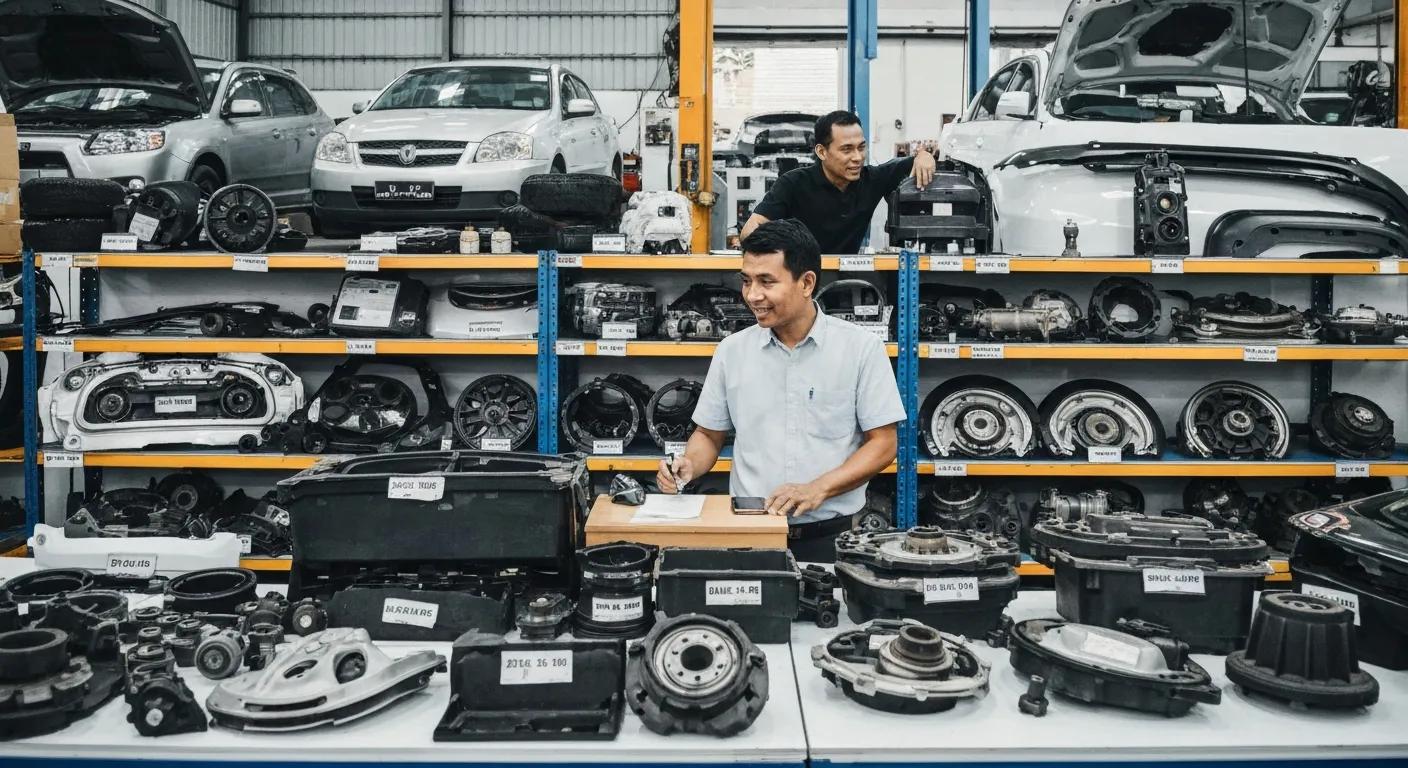
Used car parts offered by dismantlers generally fall into major categories: engines, gearboxes, suspension components, body parts, lighting, and tires & rims. Each part undergoes inspection protocols to determine its roadworthy status. The supply mechanism relies on structured dismantling, part grading, and condition reporting, which allows buyers to assess suitability for repair or refurbishment. For international buyers, this categorisation supports targeted searches and efficient export packing. Below is a comparative table that helps buyers weigh condition expectations and typical roadworthiness across common part categories.
Introduction to the parts comparison table: This table compares major part categories with their inspection attributes and expected value for buyers to assess suitability.
| Part Category | Inspection / Condition Attribute | Typical Roadworthy Status |
|---|---|---|
| Engine assemblies | Compression, leak test, accessory condition | Serviceable with certification if tests pass |
| Gearbox assemblies | Gear engagement, fluid condition, bearing wear | Rebuilt or serviceable depending on wear |
| Suspension parts | Structural integrity, bushings, damping function | Reusable if mounts and damping within limits |
| Body & lighting | Corrosion, impact damage, electrical function | Cosmetic or functional grading applied |
This comparison clarifies expectations and supports informed buying decisions. The following subsections provide detailed examples for engines, suspension, and inspection workflows.
Which Used Engine and Gearbox Parts Are Available?
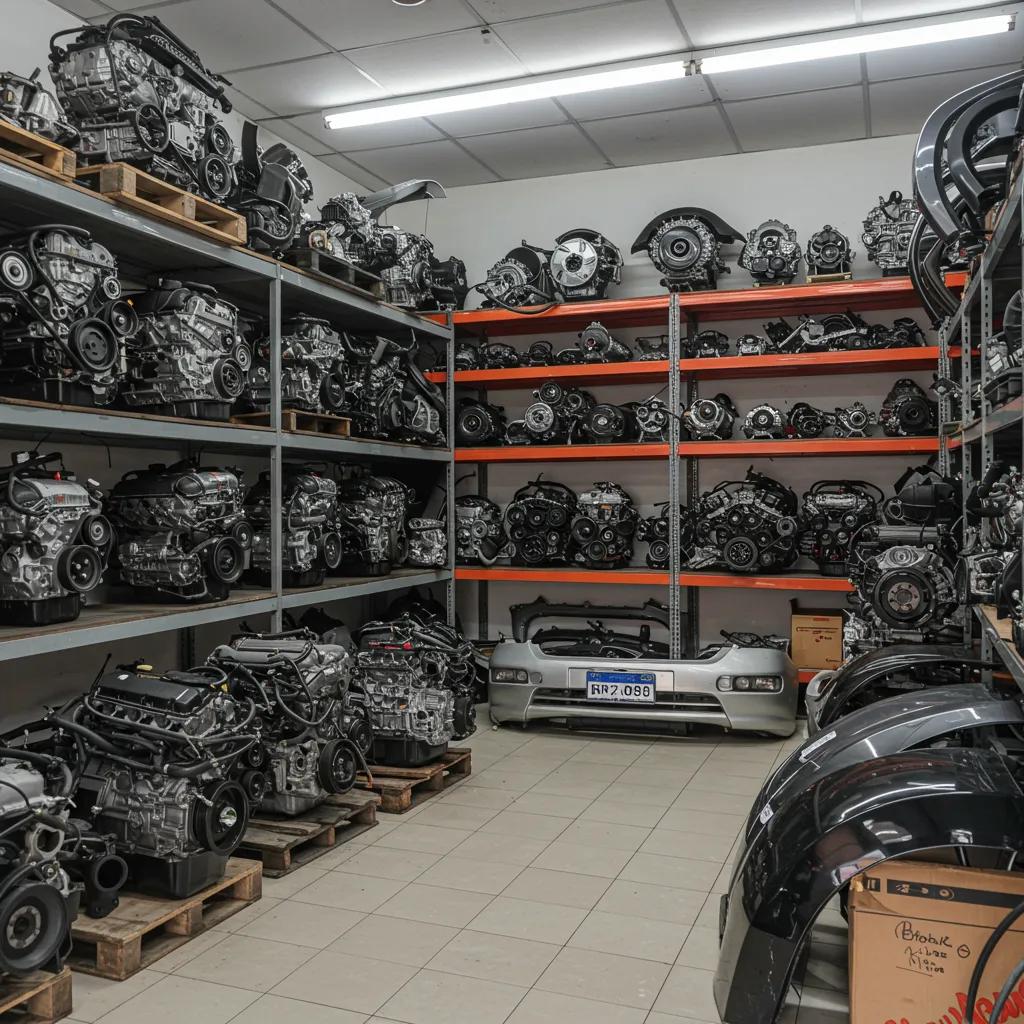
Used engine and gearbox offerings typically include complete assemblies, ancillary components like turbochargers or starters, and replaceable internal parts such as manifolds or housings. All these components undergo functional testing before being offered for sale. The inspection process examines compression, leak tests, fluid condition, and rotational smoothness for engines, while gearboxes are checked for gear engagement and bearing wear to determine serviceability. Buyers should request specific test results and serial or part numbers to confirm fitment for their vehicle, thereby reducing compatibility risks and ensuring the part meets performance requirements. When international shipping is involved, documented test results can assist with customs and import clearance.
Clear condition reports, combined with fitment guidance, empower buyers to make confident purchases. The next subsection covers the suitability of suspension and body parts.
What Used Suspension and Body Parts Can You Buy?
Commonly available used suspension and body parts include shock absorbers, struts, control arms, bumpers, doors, and panels. Their suitability depends on structural integrity and the degree of wear or cosmetic damage. Suspension components are tested for damping function, bushing condition, and structural soundness, while body panels are graded based on fitment, dents, and corrosion. Refurbishment or repainting is often recommended for cosmetic items. Buyers should carefully consider the safety-critical implications when selecting suspension components and opt for refurbished or new parts if structural fatigue is a concern. Suppliers that provide clear grading for both cosmetic and functional condition allow repair shops to cost-effectively assess refurbishment needs.
Understanding these distinctions enables buyers to decide whether to repair or replace parts. The following subsection explains the inspection and certification practices for used parts.
How Are Used Parts Inspected and Certified Roadworthy?
Inspection and certification processes combine functional tests, wear measurements, and compatibility verification to establish a part’s roadworthiness and provide buyers with actionable condition reports. Inspectors conduct operational checks—such as fluid analysis for gearboxes, compression testing for engines, and electrical load tests for lighting—and then document their findings and grade parts for resale. Certification may include a roadworthy designation or a detailed condition report outlining any repairs performed and the expected remaining service life, which enhances buyer confidence. Reputable suppliers adhere to transparent return policies and documented inspection criteria as best practices to minimise buyer risk and maintain trust in the aftermarket.
This inspection framework ensures parts are fit for purpose and prepares the reader for the process of selling their own vehicle under compliant procedures.
How Can You Sell Your Used or Scrap Car in Singapore?
Selling a used or scrap car in Singapore involves a process of valuation, selecting a selling channel, arranging collection, and ensuring deregistration and payout—factors that significantly influence the speed and net proceeds for the owner. The mechanism for determining value combines the worth of salvageable parts, any remaining PARF/COE entitlements, and the vehicle’s overall condition, all of which shape the offers from scrap buyers or dismantlers. Professional buyers who offer in-house dismantling and handle all paperwork can simplify the seller’s experience by coordinating collection and administrative requirements. The following steps and examples describe typical seller workflows and what to expect when engaging a full-service buyer.
Here is a concise summary of the selling pathways:
- Direct sale to a private buyer or workshop for intact vehicles.
- Trade-in with a dealer when purchasing a new vehicle.
- Sale to a scrap buyer or ELV dismantler for end-of-life vehicles.
These pathways represent trade-offs between convenience, immediate cash, and maximising residual value. The subsequent subsections will detail the seller’s journey with a full-service buyer and explain how administrative tasks are managed.
What Is the Process to Sell End-of-Life Vehicles to Everise Auto?
When selling an end-of-life vehicle to Everise Auto, the process typically begins with contacting the company to request a valuation. Following the acceptance of an offer, arrangements are made for vehicle collection, after which it undergoes in-house dismantling, and administrative closure for deregistration and payouts is handled. Everise Auto’s integrated operations—covering buying, dismantling, packing, and export—enable them to manage salvage assessment and paperwork on behalf of the seller, reducing the owner’s administrative responsibilities. The in-house dismantling process facilitates accurate part grading and potential resale or export channels, which can positively influence the offer. Sellers should provide the necessary documents and confirm payment terms with the buyer before collection.
This step-by-step journey keeps sellers informed and naturally leads into a discussion about how PARF, COE, and deregistration are handled.
How Are PARF, COE, and Deregistration Handled Hassle-Free?
PARF (Preferential Additional Registration Fee) and COE (Certificate of Entitlement) are financial and regulatory components tied to vehicle ownership that impact the net value at scrapping. Full-service buyers typically manage the calculation of payouts and the submission of deregistration documents to streamline the closing process for owners. A competent buyer will coordinate with the relevant authorities to ensure correct processing, while the owner provides necessary identification and vehicle documents. Clear communication regarding how these entitlements are calculated and disbursed is essential. Sellers should verify that the buyer will submit the LTA forms and provide proof of deregistration. For definitive regulatory details, owners should always consult official LTA resources.
Understanding this administrative handling reduces potential friction and helps sellers set realistic expectations for offers. The next subsection will discuss the valuation drivers that affect cash offers.
What Cash Offers Can You Expect for Your Scrap Car?
Cash offers for scrap cars are influenced by several valuation factors: the vehicle’s condition, the value of salvageable parts, remaining PARF/COE entitlements, and market demand for specific components. Therefore, exact offers require a physical inspection and cannot be accurately estimated without assessment. Buyers calculate offers based on the salvageable components likely to be recovered and any applicable administrative entitlements, balancing immediate payout against potential resale or export revenue. Due to this variability, owners are advised to request formal on-site or remote valuations that document the vehicle’s condition and include clear terms for collection and payment. Engaging multiple buyers for comparative quotes often provides a better market insight into fair offer ranges.
Knowing these valuation drivers helps sellers set realistic expectations and decide whether to accept an immediate cash offer or explore alternative sale channels.
How Does Vehicle Export and Scrap Packing Work for International Buyers?
Vehicle export and scrap packing for international buyers involve dismantling, secure packaging, preparing documentation for export permits, and coordinating with regional affiliates to facilitate cross-border movement of parts while adhering to destination import regulations. The process begins with grading salvaged parts, applying packing standards suitable for sea or air freight, and preparing export documentation that lists part descriptions and compliance certifications where necessary. These steps minimise risk for buyers and ensure parts arrive ready for reuse or resale. The table below compares export packing options and compliance considerations to help international buyers make informed choices.
Introduction to the export options table: This comparison outlines packing methods, compliance requirements, and typical suitability for target markets.
| Export Option | Packing Method / Compliance | Suitable Markets / Lead Time |
|---|---|---|
| Containerised crating | Padded crates, sealed pallets; export permit documentation | Suitable for long-distance markets; bulk shipments |
| Loose-packed small consignments | Palletised and shrink-wrapped; commercial invoices required | Smaller markets or urgent replacement parts |
| Bundled parts for re-export | Consolidated packing with inventory lists; customs declarations | Regional affiliates in Middle East, Africa, Asia, Europe, Caribbean |
This table helps international buyers weigh their options. The next subsection highlights why sourcing from Singapore can be particularly advantageous.
What Are the Benefits of Exporting Used Car Parts from Singapore?
Exporting used car parts from Singapore offers buyers significant advantages, including stringent quality control, transparent inspection records, and access to a diverse inventory, thanks to in-house dismantling and established international trading networks. The quality control mechanism relies on graded parts and detailed condition reports, which simplify import clearance and resale for overseas buyers. Furthermore, Singapore’s strategic logistical position facilitates efficient consolidation and containerisation. Buyers also benefit from documented export permits and professional packing services that minimise the risk of damage during transit. These attributes, combined with competent export management, make Singapore an ideal sourcing hub for salvaged OEM components.
Recognising these benefits helps buyers prioritise suppliers with proven packing and documentation capabilities, leading into how a provider like Everise Auto manages packing and shipping.
How Does Everise Auto Manage Packing and Shipping of Used Parts?
Everise Auto offers in-house packing and export coordination services, which encompass dismantling, quality checks, secure packaging, and the preparation of export permit documentation to facilitate international deliveries. The company’s integrated approach to packing—often involving crate packing, palletisation, and inventory documentation based on detailed checklists—is designed to protect parts during transit and meet the customs requirements of destination markets. Coordination with regional affiliates supports onward delivery and local compliance. The company’s global network also provides resale and distribution channels across multiple regions. International buyers should confirm packing specifications and required documentation with Everise Auto before shipment to ensure smooth import processing.
Understanding these logistics clarifies how a single supplier can provide comprehensive export services. The next subsection lists the markets served by the company’s network.
Which Countries Are Served by Everise Auto’s Global Network?
Everise Auto’s global network extends to regions including the Middle East, Africa, Asia, Europe, and the Caribbean. This allows buyers in these areas to source salvaged parts and receive professionally packed consignments complete with export documentation. Regional affiliates play a key role in facilitating distribution and ensuring local compliance, which helps reduce lead times and caters to market-specific demand for OEM components. International buyers should initiate contact with the supplier to confirm shipping routes and partner arrangements relevant to their specific destination region. Clear communication regarding destination-specific import rules and documentation needs will streamline delivery and customs clearance.
This extensive regional coverage meets diverse buyer needs and naturally transitions into a discussion about the broader environmental and economic benefits of recycling vehicle components.
What Are the Environmental and Economic Benefits of Car Recycling in Singapore?
Car recycling in Singapore significantly contributes to the circular economy by extending the service life of automotive components, reducing the demand for raw materials, and lowering the environmental impact associated with manufacturing new replacement parts. The process involves salvaging usable parts for reuse or remanufacturing and recycling metals and plastics from non-serviceable components, thereby conserving resources and minimising landfill waste. Economically, recycling provides consumers with lower-cost parts and generates value from end-of-life vehicles through parts resale and material recovery. Understanding these benefits can inform consumer choices and support policy-aligned scrapping practices that comply with LTA regulations and environmental standards.
The following points summarise how used parts contribute to circularity and economic returns for all stakeholders.
- Reduces the need for new raw materials by reusing serviceable components.
- Extends product lifecycles through refurbishment and remanufacturing processes.
- Offers affordable repair options, supporting vehicle maintenance accessibility.
These points illustrate the dual environmental and economic value of recycling. The subsequent subsections will explain the specific roles of suppliers and regulatory compliance.
How Does Using Used Parts Support a Circular Economy?
The use of used parts actively supports a circular economy by keeping components in service for longer periods, decreasing the demand for virgin material extraction, and redirecting end-of-life materials back into productive use instead of disposal. This mechanism involves reclaiming high-value components, refurbishing or remanufacturing them, and reintroducing them into the aftermarket, which consequently reduces the lifecycle emissions associated with producing new parts. For consumers, this translates into more affordable repair options and a lower carbon footprint per repair. Widespread adoption of these practices aligns the incentives of repair shops, dismantlers, and buyers to prioritise reuse.
This systems-level perspective underscores the importance of responsible scrapping and leads into a description of Everise Auto’s role in eco-friendly dismantling.
What Role Does Everise Auto Play in Eco-Friendly Vehicle Dismantling?
Everise Auto is committed to eco-friendly outcomes through its in-house dismantling and recycling activities, which focus on salvaging reusable components and processing recyclable materials under controlled workflows. In-house operations allow for enhanced quality control of parts intended for resale or export, while documented dismantling practices ensure that hazardous fluids and materials are managed responsibly. By overseeing dismantling, packing, and export internally, the company minimises intermediate handling and promotes efficient reuse pathways. This operational model contributes to resource recovery and aligns with circular economy objectives without imposing additional burdens on vehicle owners.
These practices demonstrate how effective dismantling can yield environmental benefits while maintaining supply reliability. The final subsection addresses regulatory compliance.
How Does Responsible Scrapping Comply with LTA Regulations?
Responsible scrapping necessitates strict adherence to LTA deregistration and scrapping procedures. Owners should consult LTA OneMotoring for authoritative requirements and rely on reputable buyers to manage submission and compliance tasks. The best-practice approach involves accurate documentation, proper disposal of hazardous materials, and verified deregistration submissions to prevent legal or tax complications. Service providers typically confirm that all required forms and identification are submitted correctly and provide the owner with proof of deregistration. Ensuring compliance protects both the environment and the seller’s legal standing, completing the responsible scrapping lifecycle.
This awareness of regulatory requirements concludes the article, equipping readers with practical knowledge for sourcing parts, selling scrap cars, and utilising export channels effectively.
End-of-Life Vehicle Policy Implementation for Disposal and Recycling
An End-of-Life Vehicle (ELV) is defined as a vehicle that has reached the conclusion of its service life due to age or condition, rendering it unroadworthy. Numerous countries, including EU member states, Japan, Taiwan, and South Korea, have enacted legislation and policies to manage the disposal of ELVs through a recycling system. This management encompasses processes such as de-registration, depollution, dismantling, and material recycling.
ELV POLICY IMPLEMENTATION AS A SOLUTION TO ABANDONED VEHICLES PROBLEMS FACED BY LOCAL AUTHORITY IN MALAYSIA, SS Sulaiman, 2023