In Singapore, where owning a car is a significant investment, maintaining it in top condition is a priority for every driver. Sooner or later, every vehicle needs a replacement part, whether it’s for routine maintenance or unexpected repairs. This is where the world of Singapore car spare parts comes into play. From brand-new original parts to high-quality used components, the options are vast and can be overwhelming.
This guide will serve as your roadmap to navigating the spare parts market in Singapore. We will explore the different types of parts available, where to find them, and how the process of scrapping a car feeds this ecosystem. Understanding this connection is key, as a scrapped car is often a treasure trove of functional components. Whether you’re a car enthusiast looking for an upgrade or a practical owner seeking a cost-effective repair, we’ll cover everything you need to know about finding the right parts for your vehicle.
The Link Between Scrapping Cars and Spare Parts
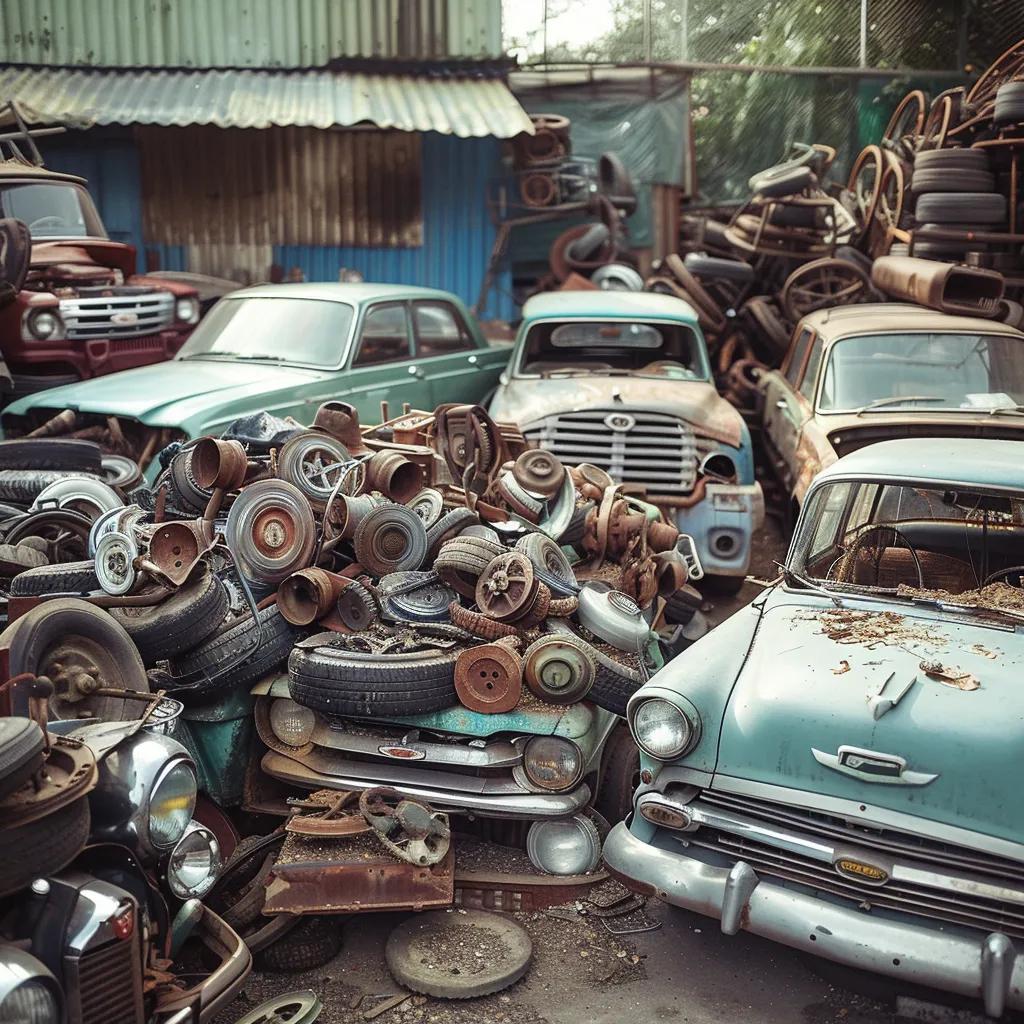
The process of scrapping a car in Singapore is more than just crushing metal. It is a vital source for the secondary market of auto parts. When a vehicle reaches the end of its COE life and is deregistered, it enters a dismantling and recycling process. This is where the journey for many who use Singapore car spare parts begins.
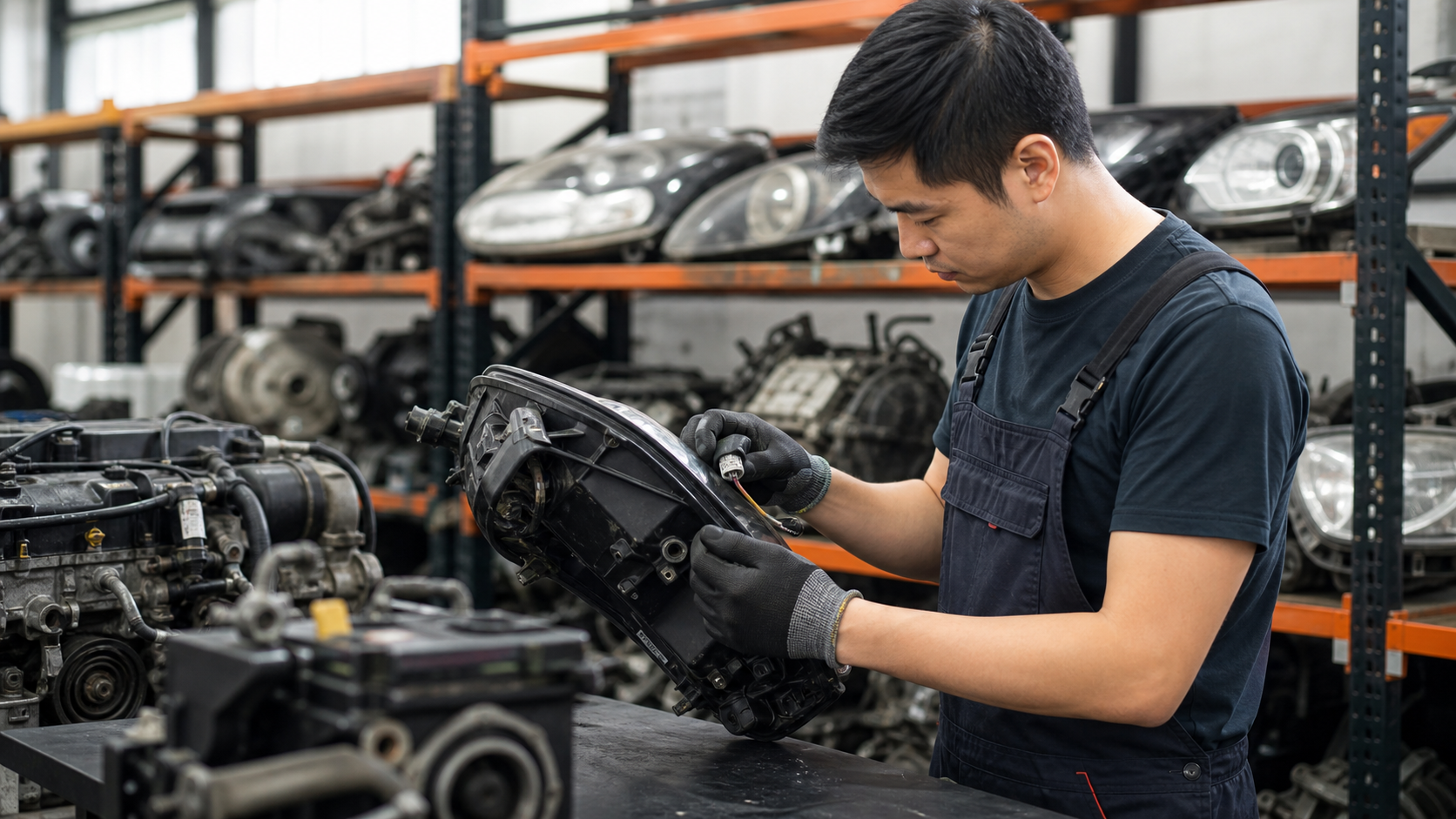
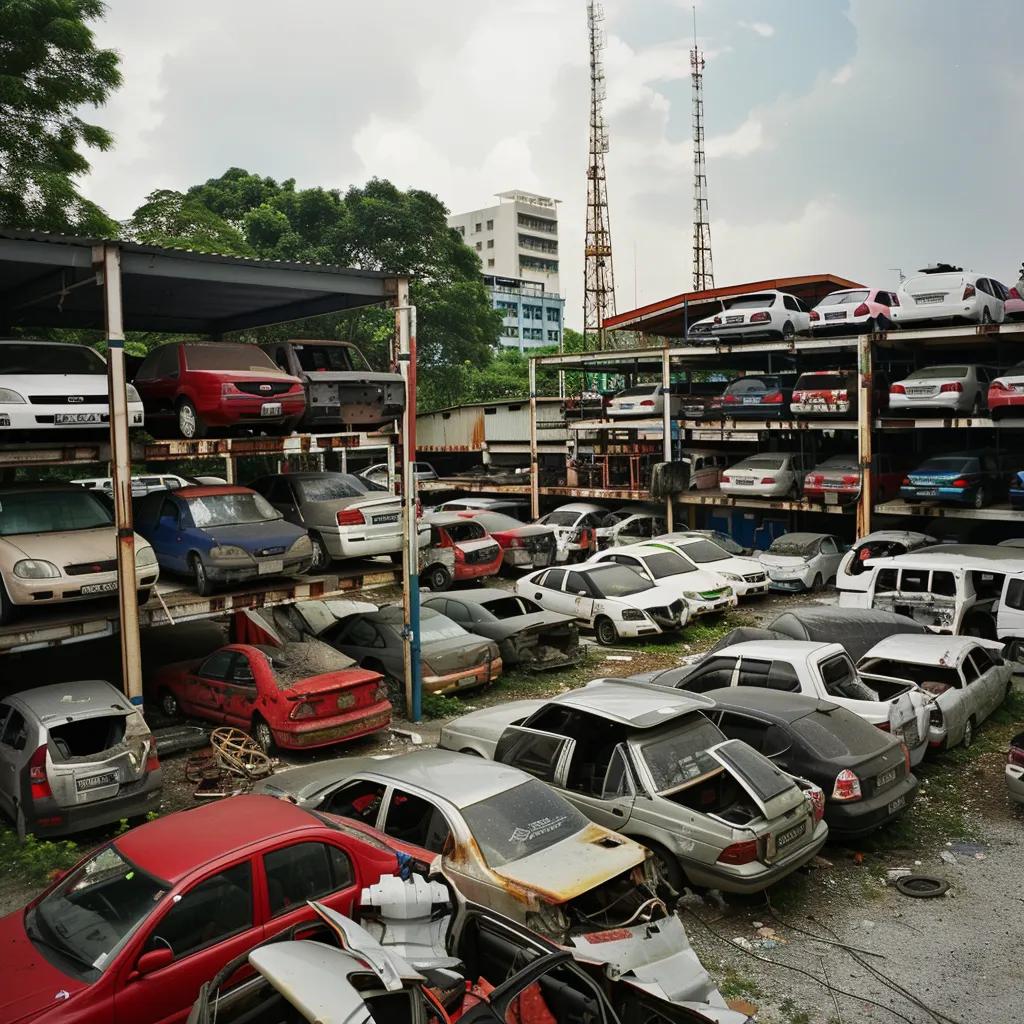
When a car is sent to an authorized scrapyard, it isn’t immediately destroyed. First, it is carefully disassembled by skilled technicians. Every functional and salvageable component is removed, inspected, and cataloged. This includes major components such as the engine, gearbox, axles, and doors, as well as smaller items like alternators, starter motors, headlights, side mirrors, and interior components like seats and infotainment systems. These parts from a scrapped car are then cleaned, tested, and sold to workshops, export markets, and individual consumers.
This practice is crucial for several reasons. Firstly, it’s an environmentally friendly approach to automotive end-of-life management. Reusing parts reduces the demand for new manufacturing, which in turn saves energy and raw materials. Secondly, it provides a source of affordable and genuine parts. For owners of older or discontinued models, finding new parts can be difficult and expensive. The Singapore car scrap industry ensures a steady supply of these components, making repairs more accessible and affordable. This symbiotic relationship between car scrapping and the spare parts market is fundamental to keeping Singapore’s vehicle population running smoothly.
Types of Car Spare Parts Available in Singapore
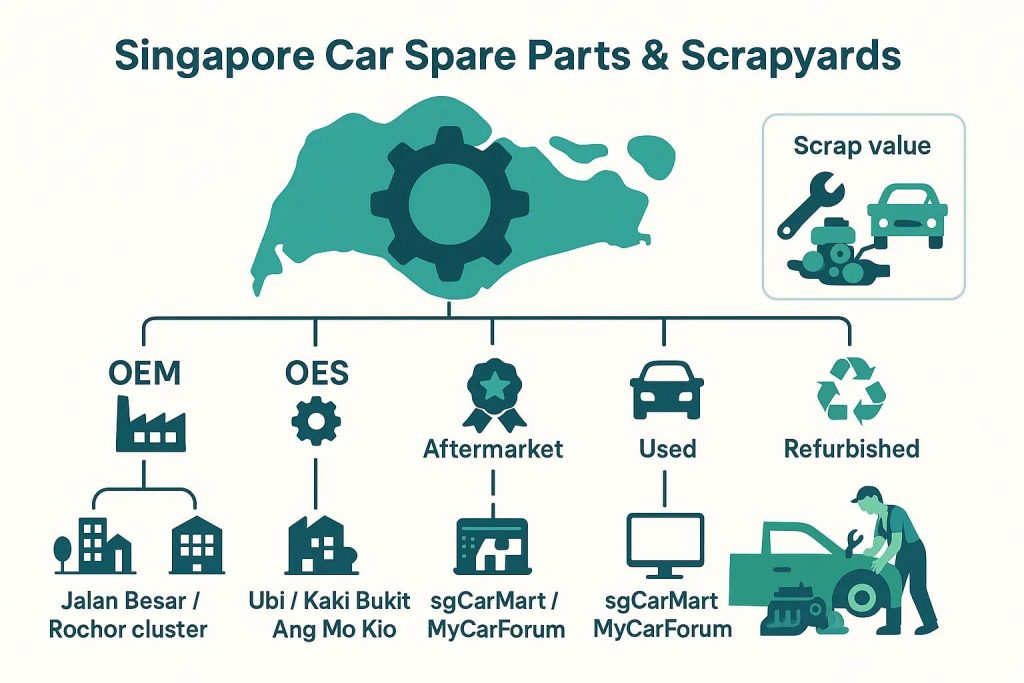
When you need to replace a part in your car, you’ll find there are several categories to choose from. Understanding the difference between them is essential for making a decision that balances cost, quality, and your specific needs.
1. Original Equipment Manufacturer (OEM) Parts: These are brand-new parts made by the same company that manufactured the original components for your car. They are identical to the parts your car was built with at the factory. OEM parts offer the highest assurance of quality, fit, and performance, and they usually come with a manufacturer’s warranty. They are typically the most expensive option and are sold through authorized dealers and service centers.
2. Original Equipment Supplier (OES) / Aftermarket Parts: OES parts are produced by the same manufacturers that supply the car brands, but they are sold under the manufacturer’s own brand name instead of the car brand’s. They are essentially the same quality as OEM parts but often at a slightly lower price. Aftermarket parts, on the other hand, are made by different companies altogether. The quality of aftermarket parts can vary widely, from high-end performance parts that exceed OEM specifications to cheaper, lower-quality alternatives.
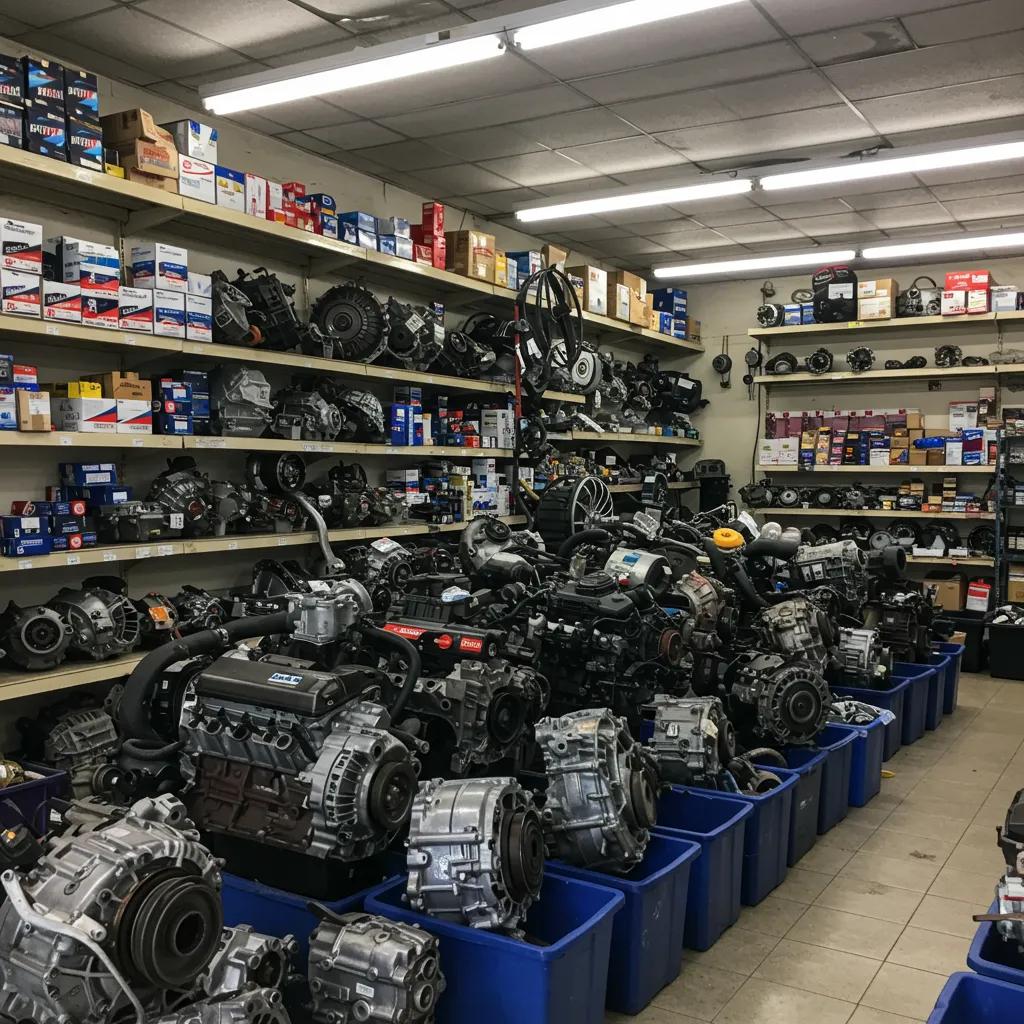
3. Used or Reconditioned Parts: This is where the scrap car Singapore industry plays its biggest role. Used parts are taken directly from dismantled vehicles. They are the most affordable option and are perfect for non-critical repairs or for owners on a tight budget. Reconditioned (or refurbished) parts are used parts that have been professionally inspected, cleaned, and had any worn components replaced to restore them to good working order. They offer a middle ground between used and new parts, providing reliability at a lower cost.
Where to Find Car Spare Parts in Singapore
Finding the right parts requires knowing where to look. Singapore has several hubs and channels dedicated to automotive car parts, catering to both workshops and individual buyers.
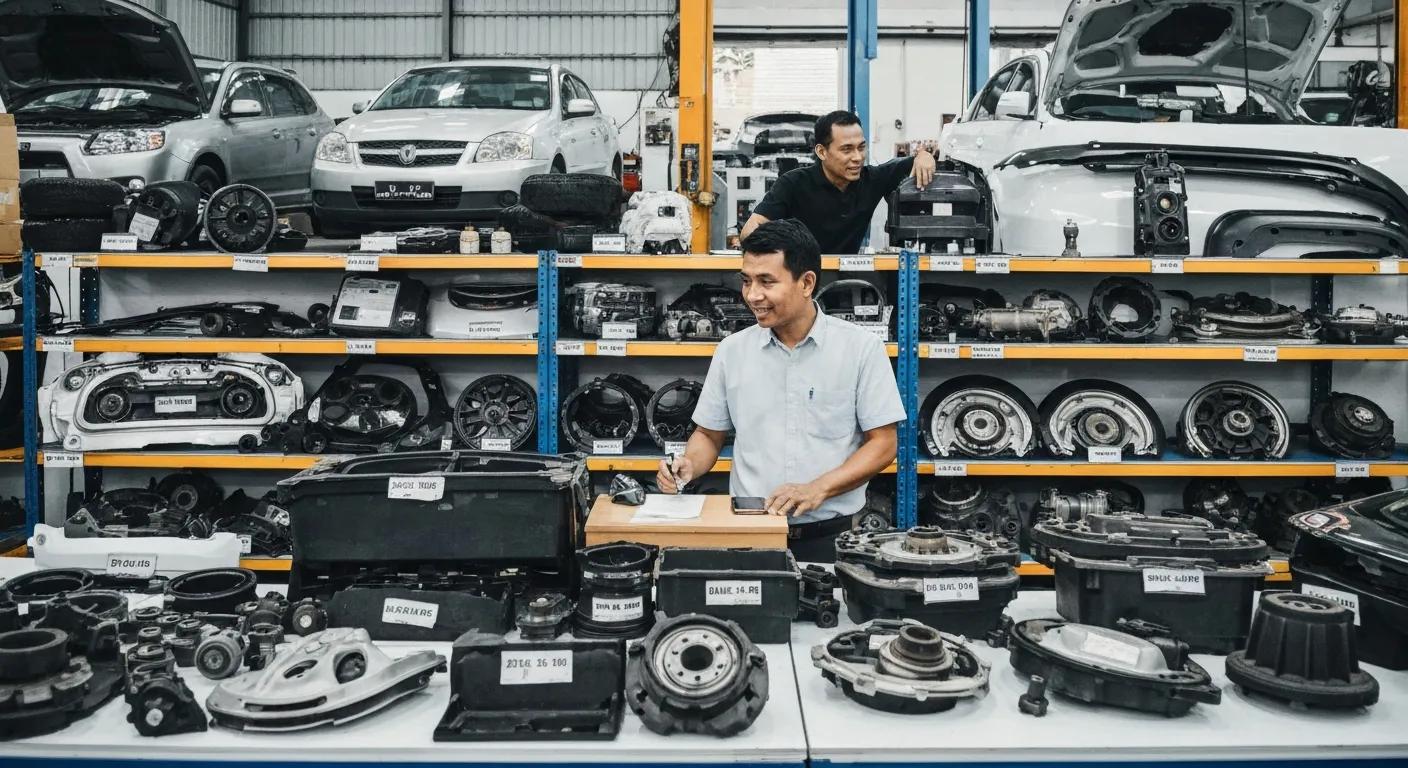
The most famous and concentrated area for car parts is the cluster of workshops and stores in the Jalan Besar and Rochor areas. For decades, this district has been the go-to destination for mechanics and car enthusiasts. Here, you can find countless small businesses specializing in everything from engine components for Japanese cars to body panels for European models. These shops often have knowledgeable staff who can help you identify the exact part you need.
Another major hub is the industrial estates in areas like Ubi, Kaki Bukit, and Ang Mo Kio. These areas are home to larger distributors, scrapyards, and specialist workshops. Many of the main importers and exporters of Singapore car spare parts operate from these locations. If you are looking for a specific, hard-to-find part from a scrapped car, visiting these industrial parks can be very fruitful. Many businesses here have extensive inventories and networks to source what you need.
In recent years, the market has also moved online. Everise Auto has dedicated sections for buying and selling new and used car parts. This allows you to search for specific components from the comfort of your home and compare prices from different sellers across the island.
The Process of Buying Used Spare Parts
Purchasing used parts can save you a significant amount of money, but it requires a bit more diligence than buying new. Here’s a step-by-step approach to ensure you get a reliable part at a fair price.
First, identify the exact part you need. If possible, get the part number from your mechanic or by inspecting the old component. Having the part number is the most reliable way to ensure you get a perfect match, as manufacturers often make minor changes to parts even within the same model year.
Next, do your research and get quotes from several suppliers. Contact shops in Jalan Besar, scrapyards in Ubi, or browse online listings. When you inquire about a part, ask about its history and condition. For major components like an engine or transmission, ask about the mileage of the Singapore scrap car it came from. Reputable dealers will be transparent about the part’s origin.
When you go to inspect the part, look for any visible signs of damage, such as cracks, excessive wear, or corrosion. If you’re not mechanically inclined, it’s a good idea to bring your mechanic along or at least show them detailed photos before you buy. Many sellers offer a limited warranty, often for a week or a month, which provides some protection against a part that is dead on arrival. Always clarify the warranty terms before making a purchase.
Maximizing Value When Scrapping Your Car
If you are on the other side of the equation and plan to scrap your car, you can also play a role in this ecosystem. While most people choose the straightforward option of selling their entire car to a single dealer for a lump sum, some owners choose to sell valuable parts separately before sending the car to the scrapyard.
This approach is best suited for cars with desirable aftermarket modifications or rare original parts. For example, suppose you have installed a high-end sports exhaust, an expensive set of alloy wheels, or a premium sound system. In that case, you will almost certainly get more money selling these items to another car enthusiast than you would from their contribution to the car’s overall scrap value.
The process involves removing these parts and replacing them with the original stock components (if you still have them) before the car is sent for scrapping. You can then sell the aftermarket parts on online forums or through specialized workshops. While this requires more effort, it can significantly increase your total cash return from the car. This method ensures that valuable and sought-after components go directly to someone who will use and appreciate them, rather than just being part of a bulk Singapore scrap car deal.
Conclusion: A Sustainable Cycle for Singapore’s Motorists
The world of Singapore car spare parts is a dynamic and essential part of the local automotive scene. It is intrinsically linked to the scrapping of cars in Singapore, creating a sustainable cycle that benefits everyone. This system provides a source of affordable, genuine parts, making car maintenance more accessible for all owners. It also promotes environmental responsibility by reusing and recycling components, reducing waste and the need for new production. Whether you are searching for a replacement part or preparing to scrap your own vehicle, understanding this ecosystem allows you to make smarter, more informed decisions that save you money and contribute to a more efficient automotive industry.
Frequently Asked Questions (FAQs)
1. Is it safe to use used spare parts in my car?
Yes, it is generally safe, especially when purchased from a reputable dealer. Used parts are ideal for cosmetic components, interior fittings, and many mechanical parts. For critical safety components like brakes or steering, it is often recommended to use new or professionally reconditioned parts. Always ask about the part’s history and warranty.
2. Can I find parts for a very old or rare car model in Singapore?
It can be challenging, but it is often possible. The Singapore car scrap industry processes a wide variety of vehicles. Your best bet is to contact specialized dealers and scrapyards that focus on particular makes or regions (e.g., European or Japanese cars). They have extensive networks and can often source rare parts for you.
3. Will using non-OEM parts void my car’s warranty?
If your car is still under the manufacturer’s warranty, using non-OEM parts can be risky. In many cases, if a non-OEM part causes a failure, the manufacturer may refuse to cover the repair under warranty. It is best to stick with OEM parts for any repairs on a new car. For older cars out of warranty, using aftermarket or used parts is a common and cost-effective practice.
4. How do I know if a used part is in good condition?
Look for a clean part with no visible cracks, leaks, or severe corrosion. For mechanical parts, check for smooth movement and minimal play in the joints. The most reliable method is to buy from a trusted seller who offers a short-term warranty. This gives you time to have the part installed and tested by your mechanic.
5. Is it cheaper to buy parts myself or let my workshop handle it?
While you might find a slightly lower price by sourcing a part yourself, letting your workshop handle it is often more convenient and safer. Workshops have established relationships with trusted suppliers and can usually get the right part quickly. They are also responsible for ensuring the part is correct and functional, which saves you from the risk of buying the wrong or a faulty component.