Find Trusted Auto Parts Stores Near You: Used Car Parts & Scrap Car Services in Singapore
Locating dependable auto parts stores means finding sources that offer verified inventory, clear pricing, and compliant scrapping services, so you can repair, sell, or export vehicles with complete confidence. This guide will walk you through finding quality used car parts, selling a scrap or end-of-life vehicle, understanding the value and environmental benefits of salvaged components, and selecting trustworthy dismantlers and salvage yards across Singapore. We also cover export options for international buyers and provide direct contact information for a local supplier specializing in parts sales, dismantling, and export administration. You’ll learn practical inspection checklists, the complete process for scrapping and deregistering a vehicle, key factors that determine cash payouts, best practices for packaging and shipping exported parts, and how to prepare documentation for a faster quote. Use the sections below to find local used engines, gearboxes, body parts, and electrical components, discover what questions to ask sellers, and arrange for pickup or export logistics. Throughout this article, we’ve integrated keywords like “auto parts shop near me,” “used car parts Singapore price,” “scrap car value Singapore,” and “auto salvage yard Singapore” into practical advice to help you act swiftly and securely.
Where Can I Find Quality Used Car Parts Near Me in Singapore?
In Singapore, used car parts are typically sourced from dismantlers, salvage yards, and vehicle dealerships that recover functional components from end-of-life vehicles. These suppliers meticulously inspect, test, and catalog parts to ensure buyers can match compatibility and condition accurately. The quality assurance process involves multiple steps: thorough visual inspections, functional testing of mechanical and electrical systems, and clear labeling with compatibility notes to expedite the matching process. Buyers benefit from significantly lower costs, quicker access to rare or discontinued parts, and the ability to verify a part’s condition before making a purchase. Locally, you’ll find these parts at specialized dismantlers, large industrial salvage yards, and inventory hubs that often provide searchable stock lists or respond promptly to direct inquiries.
When evaluating local suppliers, pay close attention to their inspection records, return policies, and whether they provide test evidence for critical components like engines and gearboxes. The following subsections will detail the types of parts you can expect, how quality is assessed, which vehicle makes are commonly supported, and how to efficiently check availability and pricing.
What Types of Used Auto Parts Are Available Locally?
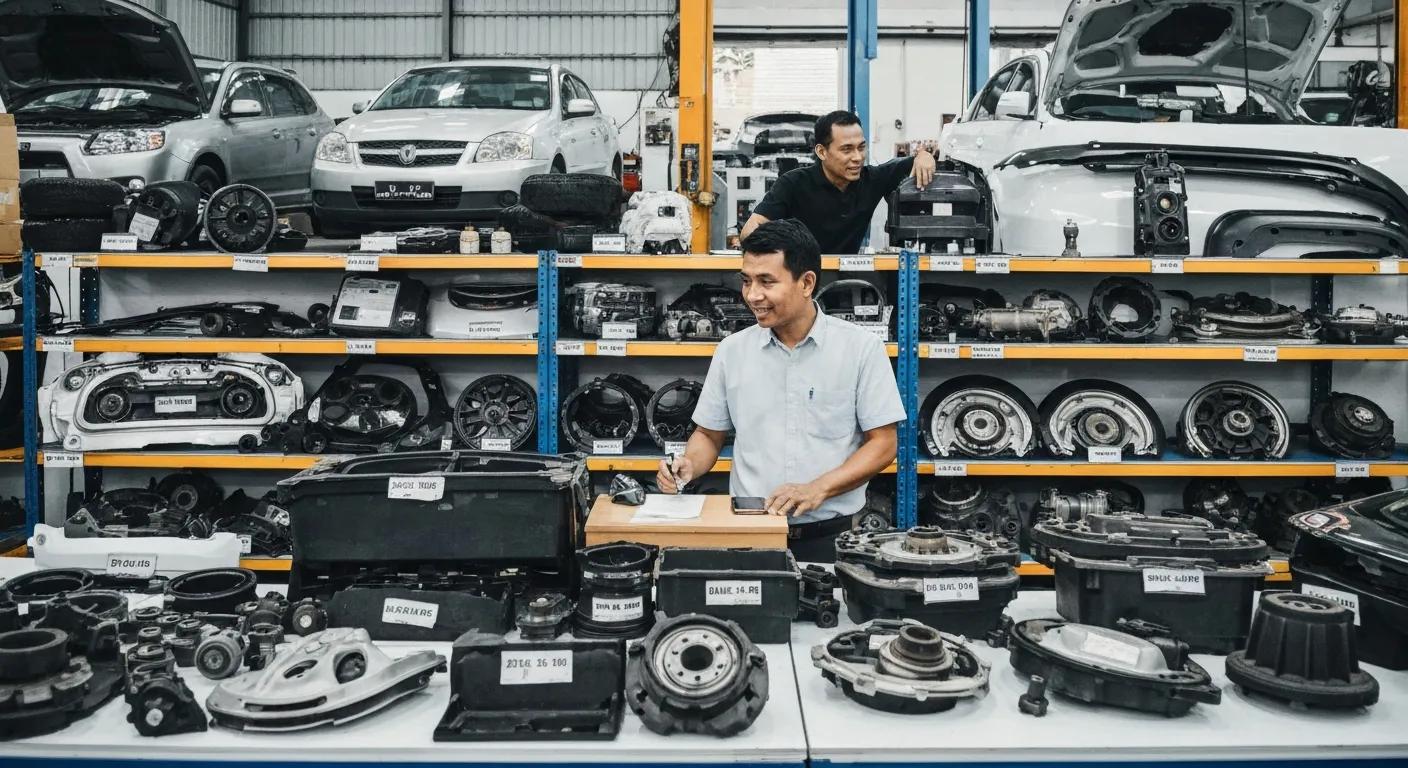
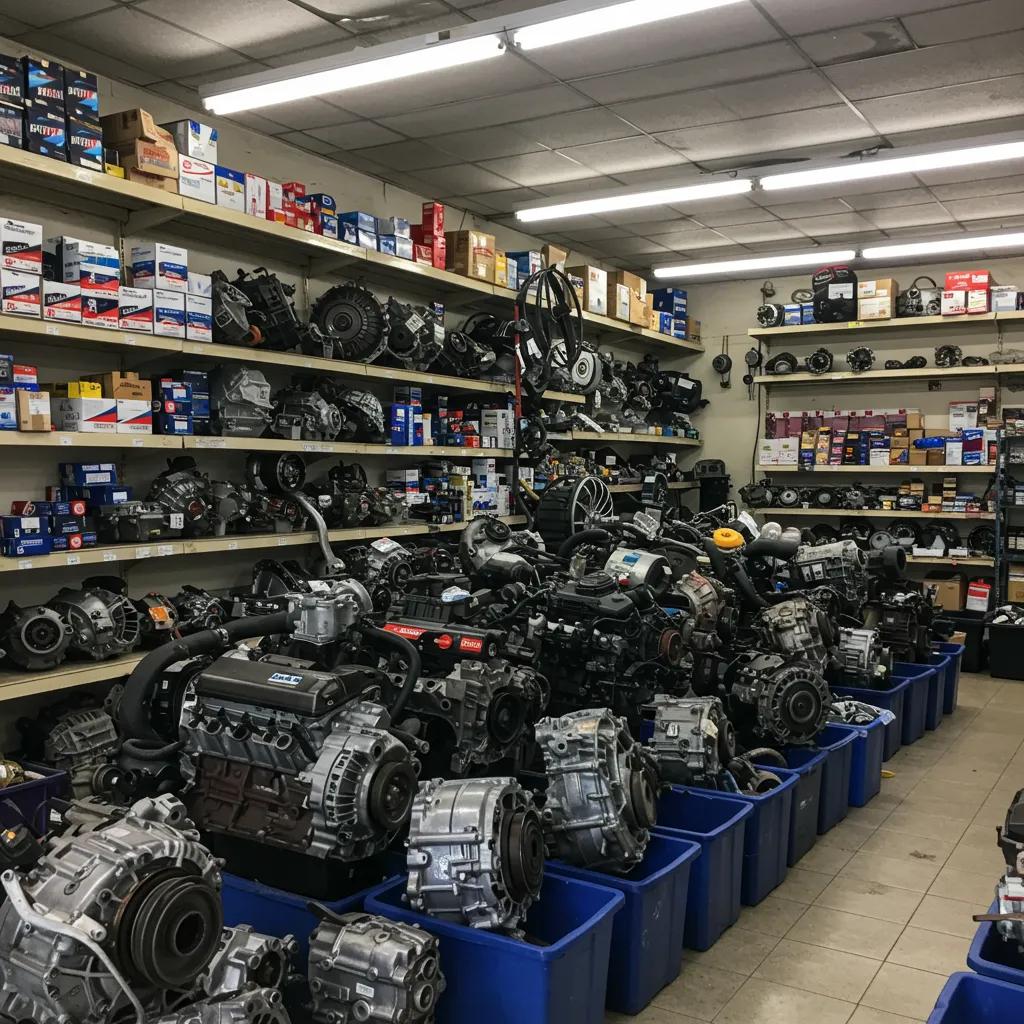
The range of used parts available locally covers all major vehicle systems, including the powertrain, suspension, braking, lighting, and body components recovered from vehicles deemed repairable or salvageable. Common categories include used engines, used gearboxes, used body parts, and used electrical parts. Specific components like engines, gearboxes, tires, rims, suspension systems, and vehicle lighting are readily available. Parts typically fall into condition categories such as “tested and roadworthy,” “cosmetically refurbished,” or “sold as-is for spares.” Buyers can expect to find parts from mainstream models, high-demand vehicle families, and electrical modules that have been recovered and bench-tested where feasible.
| Part Category | Condition / Tested | Compatible Examples |
|---|---|---|
| Engines | Visual + compression check; test-run where possible | Common sedans and SUVs (mainstream makes) |
| Gearboxes | Gear engagement tested; leak inspection | Automatic and manual transmissions for popular models |
| Lighting & Electrical | Bulb/function tests; connector checks | Headlights, tail-lights, ECU modules |
| Suspension & Brakes | Wear inspection; mount integrity | Struts, control arms, calipers |
This table is designed to help you quickly compare categories, enabling you to ask more targeted questions when contacting suppliers and verify compatibility before finalizing your purchase.
How Does Everise Auto Ensure Quality and Roadworthiness of Used Parts?
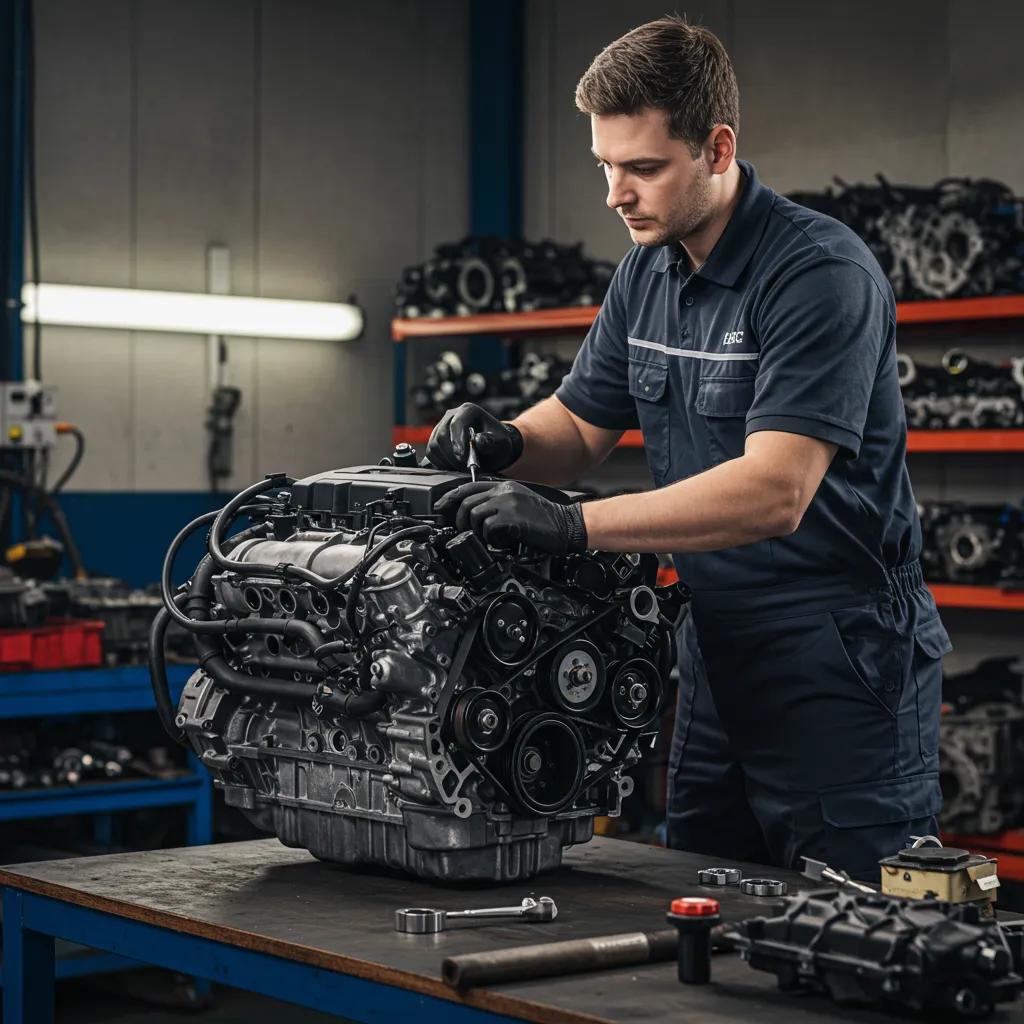
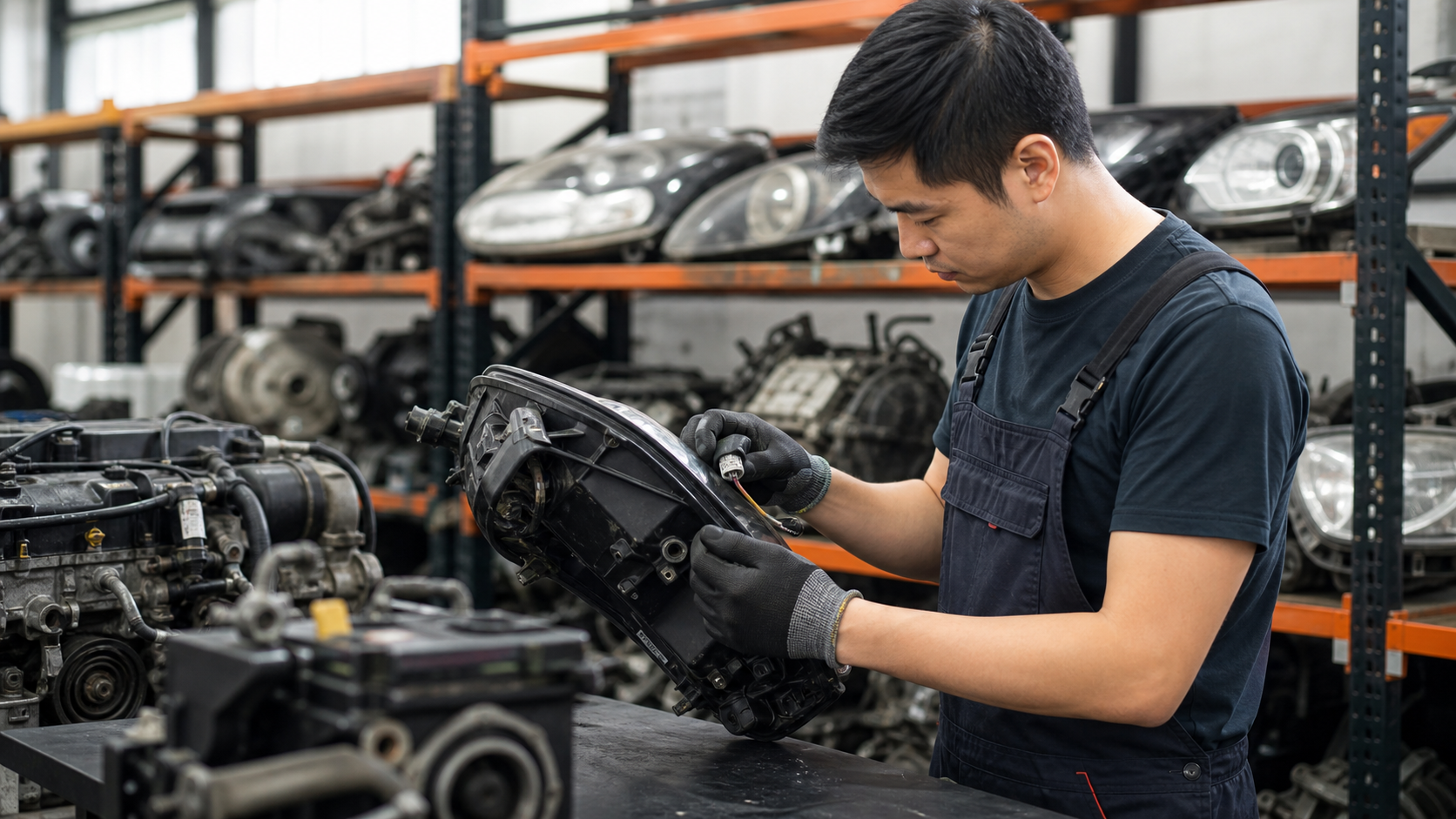
Everise Auto operates as a dedicated dismantler and used parts dealer, adhering to a stringent inspection workflow that combines detailed visual checks, comprehensive functional testing, and precise labeling to guarantee parts meet roadworthy expectations. The company meticulously inspects engines and gearboxes for any overt damage, conducts basic functional tests whenever feasible, and sorts electrical components for bench testing to confirm connector integrity and operational functions. Packaging for sale prioritizes protection for sensitive components and includes detailed condition notes, ensuring buyers are fully informed about the tested status and compatibility. We strongly advise buyers to request explicit test descriptions and photographic evidence; this verification step significantly reduces risk and expedites repair work.
Everise Auto’s meticulous approach supports both local sales and international export, offering documented condition notes and packaging specifically designed for secure shipping. Understanding this comprehensive inspection-to-packaging chain empowers buyers to evaluate sellers effectively and make confident arrangements for pickup or delivery.
Which Car Makes and Models Are Supported by Local Used Parts Stores?
Local dismantlers and parts dealers routinely support a wide array of mainstream makes and models, with a particular focus on high-demand sedans, SUVs, and light commercial vehicles where part turnover is highest. Popular models typically yield engines, gearboxes, and body/electrical parts more frequently. For older or rarer models, sourcing may require tapping into broader salvage networks. When searching for parts for older vehicles, suppliers often combine internal inventory searches with requests across their networks to locate compatible components or suggest suitable alternatives.
To ensure accuracy, buyers should always provide precise vehicle identifiers—make, model, year, and engine code—so sellers can confirm compatibility. This practice significantly reduces the risk of mismatches and speeds up the quotation process. The next section will guide you through practical checks to verify availability and pricing before you commit to a purchase.
How to Check Availability and Prices of Used Car Parts Near Me?
Checking the availability and prices of used car parts involves a straightforward, repeatable process designed to minimize uncertainty and ensure you receive accurate quotes and detailed condition information. First, gather your vehicle details and any relevant photos. Second, request the current stock status and available testing evidence for the part you need. Third, compare quotes and inquire about return or test-run policies. Key pricing considerations typically include the part’s condition (tested versus as-is), the rarity of the specific vehicle model, and whether the part comes with associated accessories like mounts or sensors.
- Prepare clear vehicle details: make, model, VIN/engine code, and photos.
- Request inspection notes and functional test results for powertrain/electrical parts.
- Confirm delivery/pickup options, any packaging fees, and return windows.
Following a concise checklist like this ensures a transparent buying process and minimizes delays in your repair or installation timeline.
How Can I Sell My Scrap Car or End-of-Life Vehicle Near Me?
Selling a scrap or end-of-life vehicle typically follows a structured workflow that includes valuation, collection, deregistration, parts recovery, and final payout, with all paperwork managed to meet local authority requirements. This systematic process is designed to protect sellers, ensure hazardous components are safely de-polluted before dismantling, and maximize recovery value by sorting salvageable parts for resale or export. Sellers benefit from a documented transaction, faster cash payouts when using a professional service, and a significantly reduced administrative burden, especially when the buyer assists with deregistration. The following subsections will outline the step-by-step scrapping process, required documents, valuation factors, and the distinct advantages of using a professional service.
What Is the Step-by-Step Process to Scrap a Car in Singapore?
Scrapping a car involves a series of sequential steps that protect both the seller and the dismantler while ensuring compliance with regulatory requirements and maximizing salvage value. Initially, schedule a valuation so a dismantler can assess the vehicle’s condition and identify salvageable components, providing an indicative payout. Subsequently, arrange for vehicle collection or deliver the car to the yard where the de-pollution process (removal of fluids, battery) will take place. The third step involves completing the necessary transfer and deregistration paperwork with the relevant authority, including handling COE and PARF where applicable. Finally, payment is finalized once the documentation is accepted and the parts recovery process begins.
These ordered steps are crucial for ensuring environmental safety, maximizing the recovery of valuable parts, and minimizing seller liability. Preparing the required documents in advance will significantly accelerate each stage of the workflow.
Which Documents Are Needed for Selling or Scrapping My Car?
A standard document checklist is essential for expediting the transfer and deregistration process, preventing delays during valuation and payout. Sellers should have their vehicle registration documents, a valid photo ID of the registered owner, any available service records, and authorization forms if someone else is acting on the owner’s behalf. If any documents are missing, it’s advisable to discuss potential alternatives with the buyer—many professional dismantlers can offer guidance on acceptable substitutes or assist with retrieving historical records.
- Vehicle registration card and title documentation.
- Owner’s photo ID and proof of authority for signatory.
- Service records or parts ownership records if available.
Having these items readily available will significantly reduce hold-ups and ensure a smoother, faster transaction from initial valuation to final payout.
How Much Cash Can I Get for My Scrap Car Near Me?
The valuation for scrap cars is determined by several factors, including the vehicle type, its overall condition, year/model, and the potential salvageable parts that can be recovered. Market demand for specific parts plays a significant role in the final cash offers. The valuation mechanism is straightforward: higher demand for components like engines, gearboxes, or intact body panels will increase the payout, while vehicles with extensive structural damage or missing key components will typically yield lower offers. The typical timeline for payout ranges from immediate cash upon collection for straightforward deals to a few business days where additional paperwork or deregistration is required.
| Vehicle Type | Condition / Year / Model | Typical Valuation Factors |
|---|---|---|
| Small sedan | Operational engine, fair body | Engine demand, COE/PARF status, parts salvageability |
| SUV / light commercial | High-demand drivetrain components | Weight and parts resale value, market demand |
| Older / rare models | Missing parts or high restoration interest | Rarity-driven part value, refurbishment potential |
This table is intended to help set seller expectations: valuations are indicative and primarily driven by the value of salvageable components rather than the retail price of the car itself.
What Are the Benefits of Using Everise Auto’s Scrap Car Services?
Engaging a professional service like Everise Auto offers distinct advantages, including a guaranteed approach to parts pricing, comprehensive assistance with deregistration paperwork, and a streamlined process from initial valuation to final payout. Everise Auto’s core value proposition—’Right Parts, Right Price’—highlights a strong commitment to transparent valuation driven by parts recovery potential and prevailing market demand. Sellers benefit from fast cash transactions, dedicated administrative support for deregistration and PARF/COE handling, and environmentally responsible recycling practices that ensure hazardous materials are managed correctly.
Choosing a professional partner like Everise Auto significantly reduces seller effort, secures documented payouts, and often results in higher net returns compared to ad-hoc private sales.
What Are the Benefits of Buying Second Hand Auto Parts in Singapore?
Purchasing second-hand auto parts offers substantial cost savings, ensures availability for older or discontinued models, and provides significant environmental benefits through reuse and reduced demand for new manufacturing. The underlying mechanism for these advantages is simple: reclaimed components bypass the energy and raw materials required for new production while providing functional replacements at considerably lower price points. Consumers benefit from quicker access to rare parts, lower overall repair bills, and the satisfaction of contributing to a circular economy. The subsequent subsections will quantify cost advantages, outline environmental gains, guide you on identifying quality used parts, and explain typical warranty or return structures.
How Do Used Parts Save Money Compared to New Parts?
Used parts typically cost only a fraction of their new equivalents because they bypass manufacturing overheads and retail markups. This can dramatically reduce repair bills, especially for older vehicles where the cost of a new part might approach the car’s overall value. Savings are achieved through a lower unit cost and the ability to replace only the specific failed component rather than an entire assembly. Scenarios where used parts offer the most significant cost-effectiveness include engines and gearboxes for older models, cosmetic body panels, and discontinued electrical components for which aftermarket alternatives are prohibitively expensive.
- Lower upfront cost compared to OEM new parts.
- Reduced total repair cost by addressing specific component failures.
- Better value for older models where depreciation is already high.
These points clearly illustrate when used parts represent a practical financial decision and how they effectively lower the total ownership cost of vehicle repairs.
What Environmental Advantages Come from Using Salvaged Auto Parts?
Reusing automotive components significantly reduces the need for raw material extraction and the substantial energy consumption associated with producing new parts. Furthermore, it diverts usable materials from landfills, contributing to waste reduction. The core mechanism is material conservation: engines, transmissions, and body panels that remain serviceable avoid the embedded carbon footprint and mining impacts inherent in new manufacturing. By choosing salvaged parts, buyers actively contribute to a circular economy, and dismantlers who employ environmentally sound recycling practices ensure that hazardous wastes are properly managed and recycled.
- Reduced demand for virgin raw materials.
- Lower greenhouse gas emissions per reused part.
- Proper disposal of hazardous components through responsible dismantling.
These environmental benefits align consumer choices with broader sustainability goals and promote responsible end-of-life vehicle (ELV) processing.
How to Identify Quality Used Auto Parts Near Me?
A concise buyer checklist can significantly improve your chances of acquiring reliable used parts: request detailed condition photos, functional test reports, part numbers, and compatibility confirmations, and always verify return or test-run policies before purchase. Visual checks should focus on mounting surfaces, fracture lines, and wear indicators. For engines and gearboxes, specifically ask about compression/pressure tests and evidence of leak-free seals. Red flags include missing identification tags, incomplete connectors on electrical modules, and sellers who are reluctant to provide clear inspection notes.
- Ask for clear photos and detailed test descriptions.
- Confirm part and VIN compatibility.
- Verify the return window and any post-purchase support offered.
Utilizing this checklist helps minimize installation surprises and supports safer, more reliable repairs.
Are There Warranty or Return Policies for Used Parts?
Warranty and return policies in the used parts market can vary considerably. However, common structures include short-term warranties, conditional returns subject to inspection, and buyer-paid testing costs if disputes arise. The primary reason for limited warranties is the inherent variability in prior use and the unknown stress histories of used components. Consequently, many sellers offer time-limited guarantees focused on basic functionality rather than long-term durability. Buyers are advised to meticulously document the part’s condition at pickup and negotiate clear inspection windows to preserve their recourse options.
- Typical short warranty windows (e.g., limited days/weeks).
- Return policies contingent on inspection and proof of non-installation damage.
- Recommendations to test parts promptly after receipt.
Clear return and warranty terms help strike a balance between buyer protection and the inherent realities of purchasing second-hand components.
Where Can I Find Trusted Car Dismantlers and Auto Salvage Yards Near Me?
Trusted dismantlers and salvage yards provide essential services including de-pollution, part recovery, testing, packaging, and documentation, all of which are crucial for enabling local resale and international export. The credibility of these facilities is built upon LTA compliance, transparent testing protocols, and robust export capabilities with proper labeling. Selecting a reputable facility offers benefits such as certified handling of hazardous materials, documented part provenance, and significantly smoother export logistics. The following subsections will detail the services provided, the dismantling workflow, salvage and packaging practices, and specific locations in Singapore known for their industrial salvage operations.
What Services Do Local Car Dismantlers Provide?
Local dismantlers offer a comprehensive suite of services, ranging from vehicle de-pollution and meticulous part removal to rigorous testing, secure storage, and professional packing for sale or export. Common service elements include engine and gearbox extraction, bench-testing of electrical components, detailed inventory cataloging, and logistics coordination for both local delivery and international shipping. These capabilities effectively support both private customers seeking a specific replacement part and trade buyers sourcing multiple components for resale. Understanding the full scope of services helps buyers select a partner that best matches their needs for testing, refurbishment, or export-ready packing.
- De-pollution and safe removal of hazardous fluids.
- Part testing, labeling, and short-term warranty options.
- Packaging and export documentation assistance.
These service components ensure that parts are handled safely, accurately described, and prepared effectively for their next owner.
How Does the Dismantling Process Work for End-of-Life Vehicles?
The dismantling process commences with de-pollution—the draining of all fluids, removal of batteries, and safe extraction of hazardous components. This is followed by the systematic removal of all salvageable parts and their subsequent sorting for resale, refurbishment, or recycling. The reason for this specific order is to ensure environmental safety and maximize recovery value by prioritizing high-value components for careful extraction. Non-salvageable materials are then recycled through appropriate channels, while reusable parts are thoroughly cleaned, tested, and inventoried. This controlled sequence protects workers, preserves the integrity of the parts, and ensures full regulatory compliance.
- De-pollution and hazardous material removal.
- Systematic part removal and functional testing.
- Sorting for resale, refurbishment, or recycling.
Adhering to these steps ensures safe operations and achieves higher recovery rates for valuable components.
How Are Used Parts Salvaged and Packaged for Sale or Export?
Packaging standards are tailored to the specific part type: heavy components like engines and gearboxes are typically crated or palletized and securely fastened to prevent any shifting during transit. Smaller electrical or lighting parts are carefully bubble-wrapped and clearly labeled with part numbers and test notes. Export procedures involve additional documentation layers, including inspection certificates, detailed parts lists, and packing declarations, to meet the customs and import regulations of the destination country. Insurance and tracking services are commonly offered for international shipments to protect buyers against transit damage or loss.
| Export Region | Packaging / Shipping Method | Typical Lead Time |
|---|---|---|
| Middle East | Crated engines/palletized gearboxes; sea freight | Several weeks depending on port schedules |
| Africa | Pallets with robust crating; sea freight | Lead time varies by route and customs |
| Asia & Europe | Air or sea options; export documentation provided | Faster for air freight; sea for cost efficiency |
This comparison is designed to help international buyers anticipate packaging, shipping methods, and lead times based on their specific region.
Which Locations in Singapore Have the Best Auto Salvage Facilities?
Industrial areas where salvage yards and dismantling facilities are concentrated offer practical access for parts pickup and the handling of large vehicles. Examples include established industrial zones that are well-equipped for waste handling and heavy vehicle access. When visiting a salvage yard, it is recommended to schedule an appointment, request a preview of the inventory, and verify the identification and paperwork for any items you intend to inspect. On-site inspections should confirm the part’s condition, mounting integrity, and any available test evidence prior to purchase.
- Call ahead to confirm stock and schedule an inspection appointment.
- Bring vehicle identification details to verify compatibility.
- Inspect parts in person and request test documentation when possible.
These steps ensure efficient visits and help you secure the correct parts with confidence.
How Does Everise Auto Support International Export of Used Auto Parts?
Everise Auto operates a fully capable export division that expertly packages, documents, and ships used parts to regions with significant demand. We support international buyers through coordinated packing, comprehensive documentation, and efficient logistics. Our export workflow prioritizes inspected inventory, secure packaging, and customs-ready documentation to minimize buyer risk and simplify cross-border purchases. International buyers benefit from Singapore’s highly efficient port infrastructure and our extensive experience in packaging engines, gearboxes, and smaller components for safe sea or air transport. The subsections below provide details on the regions we serve, our packaging and shipping procedures, how buyers can make purchases, and the distinct advantages of sourcing exported used parts from Singapore.
Which Regions Does Everise Auto Export To?
Everise Auto exports used parts to a diverse range of regions, including the Middle East, Africa, Asia, Europe, and the Caribbean. We cater to specific demand patterns for engines and drivetrain components, offering logistical options tailored to each market. Regional considerations encompass customs requirements, expected lead times, and preferred shipping modes—sea freight for bulk shipments and air freight for urgent or lower-volume items. Buyers in each region should be prepared for customs clearance procedures, local taxes, and varying documentation requirements.
Understanding regional demand patterns and specific customs regulations is essential for international buyers planning their purchases and arranging for local import clearances.
What Are the Packaging and Shipping Procedures for Exported Parts?
Export packaging adheres to part-specific standards: engines and gearboxes are meticulously palletized and crated to meet rigorous lift and handling specifications, while smaller parts are carefully boxed with protective padding and clearly labeled for customs inspection. The export procedure includes essential documents such as inspection certificates, packing lists, commercial invoices, and appropriate declarations for any hazardous items. Insurance options and tracking services are highly recommended to manage transit risks and provide visibility throughout the shipment’s journey.
- Inspect and document part condition thoroughly.
- Pack according to weight and fragility, utilizing crates or pallets where necessary.
- Prepare all export documentation and coordinate closely with freight forwarders.
These steps are crucial for streamlining cross-border shipments and minimizing the likelihood of delays or damage during transit.
How Can International Buyers Purchase Used Parts Near Me?
International buyers typically initiate purchases by providing detailed vehicle and shipping information, requesting a comprehensive quote, and arranging payment and freight terms. Our team then confirms availability, provides detailed test notes, and issues a pro forma invoice. Communication channels include email and direct contact lines for requesting quotations and coordinating logistics. Buyers should supply accurate destination, customs, and consignee information to prevent delays and ensure a smooth handover upon arrival.
Recommended buyer checklist for expedited processing:
- Provide detailed vehicle identifiers and required part numbers.
- Confirm preferred shipping mode (air vs sea) and any insurance preferences.
- Supply full consignee and customs broker details.
These actions significantly speed up quotation and shipment preparation for international transactions.
What Are the Benefits of Buying Exported Used Parts from Singapore?
Parts sourced from Singapore benefit from rigorous inspection standards, a robust logistics infrastructure, and highly experienced packing practices that effectively reduce transit damage and minimize documentation errors. The underlying advantage stems from Singapore’s concentration of experienced dismantlers and its highly efficient port operations, which ensure predictable lead times and reliable shipping. International buyers gain superior provenance, consistent condition documentation, and professional packing for heavy components, all of which enhance overall procurement reliability.
Key benefits include stringent quality control, efficient port handling, and expertly managed export documentation—factors that collectively position Singapore as a highly competitive sourcing option for used auto parts.
What Are the Common Questions About Auto Parts Stores Near Me?
Common questions from buyers and sellers typically revolve around lead times, availability for older models, pickup and delivery logistics, and safety or compliance standards. Providing concise answers to these queries helps users make swift decisions and avoid unnecessary delays. The reason these questions recur is the inherent variability within the parts market and the impact of regulatory compliance on scrapping, sales, and export procedures. The sections below offer brief, practical answers optimized for rapid decision-making and planning.
How Quickly Can I Get Used Car Parts from Local Stores?
Lead times are contingent on whether a part is readily in stock at the yard or needs to be sourced from a wider network. In-stock parts can often be ready for same-day pickup if inspection is complete. However, special orders or cross-network searches may take several days to weeks. Factors influencing speed include the necessity for functional testing, part cleaning and packaging, and whether administrative paperwork or export documentation is required. Expedited shipping or pickup arrangements can shorten delivery times when supported by the seller.
Confirm stock status and testing completion to secure the fastest possible turnaround for your purchase.
Can I Buy Used Parts for Older or Rare Car Models Near Me?
Sourcing parts for older or rare car models is certainly feasible, though it often requires extensive network searches, longer lead times, and a degree of flexibility regarding exact-fit versus close-fit alternatives. Dismantlers leverage their networks to locate rare components and may also advise on refurbishing similar parts or using compatible donor components when exact matches are unavailable. Expect longer search durations and potentially higher prices for rare items due to their scarcity.
Preparation and patience significantly increase the likelihood of finding functional rare parts through salvage networks.
How Do I Arrange Pickup or Delivery for Used Auto Parts?
To arrange pickup, confirm the seller’s yard location and schedule a suitable time. For delivery, clarify packaging details, available freight options, and associated fees. Export arrangements necessitate complete consignee data and coordination with a freight forwarder. Before pickup or delivery, it is crucial to confirm the part’s condition, secure all necessary paperwork, and verify any applicable return policy to prevent potential disputes.
Checklist before collection:
- Confirm part identity, condition, and test notes.
- Verify packaging adequacy and transport requirements.
- Ensure required documentation accompanies the part.
These checks are vital for minimizing surprises and ensuring a smooth handover process.
What Are the Safety and Compliance Standards for Used Parts in Singapore?
Safety and compliance in Singapore primarily focus on ensuring roadworthiness, the proper handling of hazardous components, and adherence to Land Transport Authority (LTA) guidelines for deregistration and ELV processing. Dismantlers are required to follow de-pollution protocols and document part testing to support safe reuse. Sellers and buyers should verify that parts intended for road use meet all applicable safety criteria. The handling of hazardous materials—such as battery acid, fuels, and oils—requires trained procedures and proper disposal channels to meet regulatory expectations.
Verifying compliance and proper de-pollution practices is essential for protecting buyers and ensuring the safe, lawful reuse of parts.
Where Is Everise Auto Located and How Can I Contact Them for Used Parts or Scrap Services?
Everise Auto operates under the company name Singapura Cars & Parts PTE LTD and lists industrial facility addresses for both parts and scrap services. Contact channels include direct phone numbers and email addresses for sales and valuation inquiries. The company positions itself as a full-service dismantler and an export-capable used parts supplier, offering comprehensive valuation, packaging, and paperwork assistance. Below are actionable contact pathways and instructions for requesting a quote or scheduling an appointment.
What Are Everise Auto’s Operating Hours and Contact Details?
For inquiries and contact, please use the company name and the provided phone or email contacts to request availability and confirm operating hours directly with the vendor. The available contact channels include the listed phone numbers and email address for sales, valuations, and export inquiries. Callers are advised to confirm current operating hours when contacting the company. Utilizing direct contact ensures accurate scheduling for inspections, pickups, or valuations.
Contact details to use when reaching out:
- Company name: Everise Auto (Singapura Cars & Parts PTE LTD)
- Email: erwin@everiseauto.com
- Phones: +65 8424 9513, +65 94570196
These channels represent the most efficient way to arrange valuations, discuss parts inquiries, and coordinate export logistics.
How Do I Get Directions to Everise Auto’s Scrap Yard and Parts Store?
Everise Auto lists facility addresses in industrial areas that are well-suited for parts handling. Prospective visitors should call ahead to schedule a site appointment and confirm which specific location holds the parts they require. Using mapping services with the company name or address will provide detailed drive directions and routing options. Scheduling an appointment in advance ensures that staff are available to assist with inventory checks or vehicle delivery. For export or bulk purchases, please request packing and loading preparations in advance.
Prepare the following before visiting:
- Confirm which facility holds the part or offers the valuation service.
- Schedule an appointment to ensure staff availability.
- Bring vehicle identifiers and documentation for faster processing.
These preparations will ensure an efficient on-site experience and minimize wasted trips.
What Customer Reviews and Testimonials Support Everise Auto’s Reputation?
Verified customer reviews and aggregated ratings on public business profiles serve as objective trust signals that demonstrate service reliability and buyer satisfaction. Prospective customers are encouraged to consult the company’s review listings on public business profiles to gauge responsiveness, valuation fairness, and after-sales support. Reviews are invaluable for cross-referencing the seller’s claims about inspection thoroughness and export reliability, thereby informing decisions about utilizing their parts or scrap services.
When evaluating potential partners, look for review indicators that specifically highlight test evidence, assistance with paperwork, and timely payouts.
How Can I Request a Quote or Schedule a Consultation?
To request a quote or schedule a consultation with Everise Auto, please prepare your vehicle’s make, model, year, VIN or engine code, clear photos of the item or vehicle, and your preferred logistics (pickup, delivery, or export). Contact the company via the listed email or phone numbers, provide the prepared information, and request an itemized quote that includes the inspection status and any relevant packaging or shipping estimates. Clear, complete submissions will result in faster and more accurate responses.
Checklist for a faster quote:
- Vehicle details: make, model, year, VIN/engine code.
- Clear photos of the vehicle or part and a description of its condition.
- Preferred logistics and destination (for export inquiries).
Supplying this information upfront significantly speeds up the valuation process and helps secure a timely quote or consultation.
Frequently Asked Questions
What Should I Consider When Choosing an Auto Parts Store?
When selecting an auto parts store, consider factors such as the store’s reputation, the quality of its inventory, and its customer service standards. Look for stores that provide detailed inspection reports and offer warranties on their parts. Additionally, check if they have a clear return policy and how they handle customer inquiries. Reviews from previous customers can also offer valuable insights into the reliability and transparency of the store. A reputable auto parts store should prioritize customer satisfaction and maintain clear communication throughout the entire buying process.
How Can I Ensure Compatibility of Used Parts with My Vehicle?
To ensure the compatibility of used parts with your vehicle, always provide the seller with specific details, including the make, model, year, and VIN of your car. Request part numbers and compatibility confirmations directly from the seller. It is also highly beneficial to ask for condition reports and any available testing evidence. If possible, inspect the parts in person to verify their fit and condition. This proactive approach significantly minimizes the risk of purchasing incompatible components and enhances your overall repair experience.
What Are the Risks of Buying Used Auto Parts?
Buying used auto parts does carry certain inherent risks, including potential compatibility issues, unknown wear and tear, and limited warranties. Parts may not perform as expected if they have hidden defects or if they were not properly tested. Furthermore, sellers may not always provide complete information about a part’s history. To mitigate these risks, always purchase from reputable dealers, request detailed inspection reports, and thoroughly understand the return policy. Being informed and cautious can help you make safer purchasing decisions.
How Do I Prepare My Vehicle for Scrapping?
Preparing your vehicle for scrapping involves several key steps to ensure a smooth and efficient process. First, remove all personal belongings and any valuable items from the car. Next, gather all necessary documents, such as the vehicle registration and proof of ownership. If applicable, cancel your insurance and notify the relevant authorities about the vehicle’s scrapping. Finally, consider removing hazardous materials like batteries and fluids, although many dismantlers will handle this as part of their service—it’s always good to check their specific policies. Proper preparation can expedite the scrapping process and ensure compliance with all regulations.
What Should I Know About Environmental Regulations When Scrapping a Car?
When scrapping a car, it is crucial to be aware of the environmental regulations governing the disposal of hazardous materials. These regulations typically require dismantlers to follow specific protocols for de-pollution, which includes the safe removal of fluids, batteries, and other hazardous components. Ensure that the dismantler you choose is fully compliant with local laws and possesses the necessary certifications. This not only protects the environment but also ensures that you are adhering to legal requirements, thereby reducing the risk of penalties or fines associated with improper disposal.
Can I Sell Parts from My Scrap Car?
Yes, you can sell parts from your scrap car, provided they are in good condition and can be safely removed. Many dismantlers and salvage yards will purchase usable parts separately, which can potentially increase your overall payout. Before selling, carefully assess the condition of key parts such as engines, transmissions, and body panels. It is advisable to consult with a professional dismantler who can help you identify valuable components and assist with the removal process. This approach can help maximize your returns from a scrap vehicle.
What Are the Common Payment Methods for Used Auto Parts?
Common payment methods accepted for used auto parts include cash, credit/debit cards, and electronic transfers. Some stores may also accept payment through mobile wallets or popular payment apps. When making a purchase, always confirm the accepted payment methods with the seller to avoid any inconvenience. Additionally, inquire about any deposits required for special orders or reserved parts. Understanding the available payment options can streamline the purchasing process and ensure a smooth transaction when acquiring used auto parts.
Discovering reliable auto parts stores in Singapore empowers you to access high-quality used components while actively supporting sustainable practices. By thoroughly understanding the inspection processes and available services, you can make informed decisions that not only save you money but also minimize environmental impact. Whether your goal is to buy or sell, leveraging professional services like Everise Auto ensures a seamless transaction and maximizes the value you receive. Explore our comprehensive offerings today to secure the perfect parts for your vehicle needs.