Maintaining a car in Singapore can be expensive. From routine servicing to unexpected repairs, the costs can add up quickly. One of the most effective ways to manage these expenses is by opting for second-hand car parts. The market for 2nd hand car parts in Singapore is a thriving ecosystem, offering a cost-effective and sustainable alternative to buying brand-new components.
This guide will take you through the world of Singapore 2nd hand car parts. We’ll explore where these parts come from, how to find reliable suppliers, what to look for when buying, and the significant benefits of choosing used components. Whether you’re trying to save money on a repair or sourcing parts for a project car, understanding this market will empower you to make informed, cost-effective choices.
The Journey of a Second-Hand Car Part
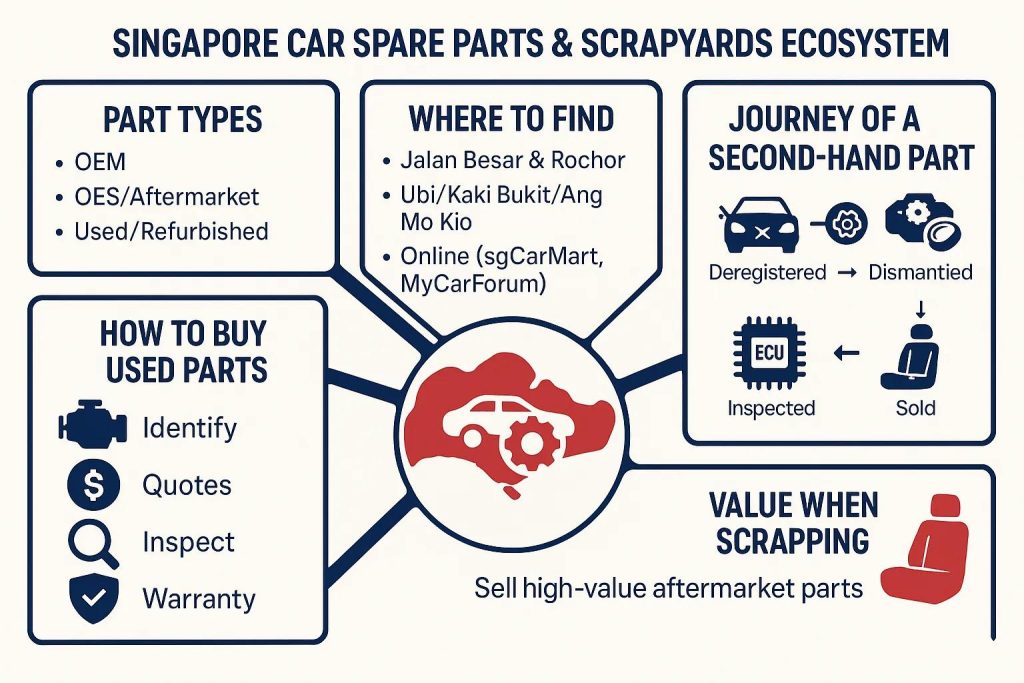
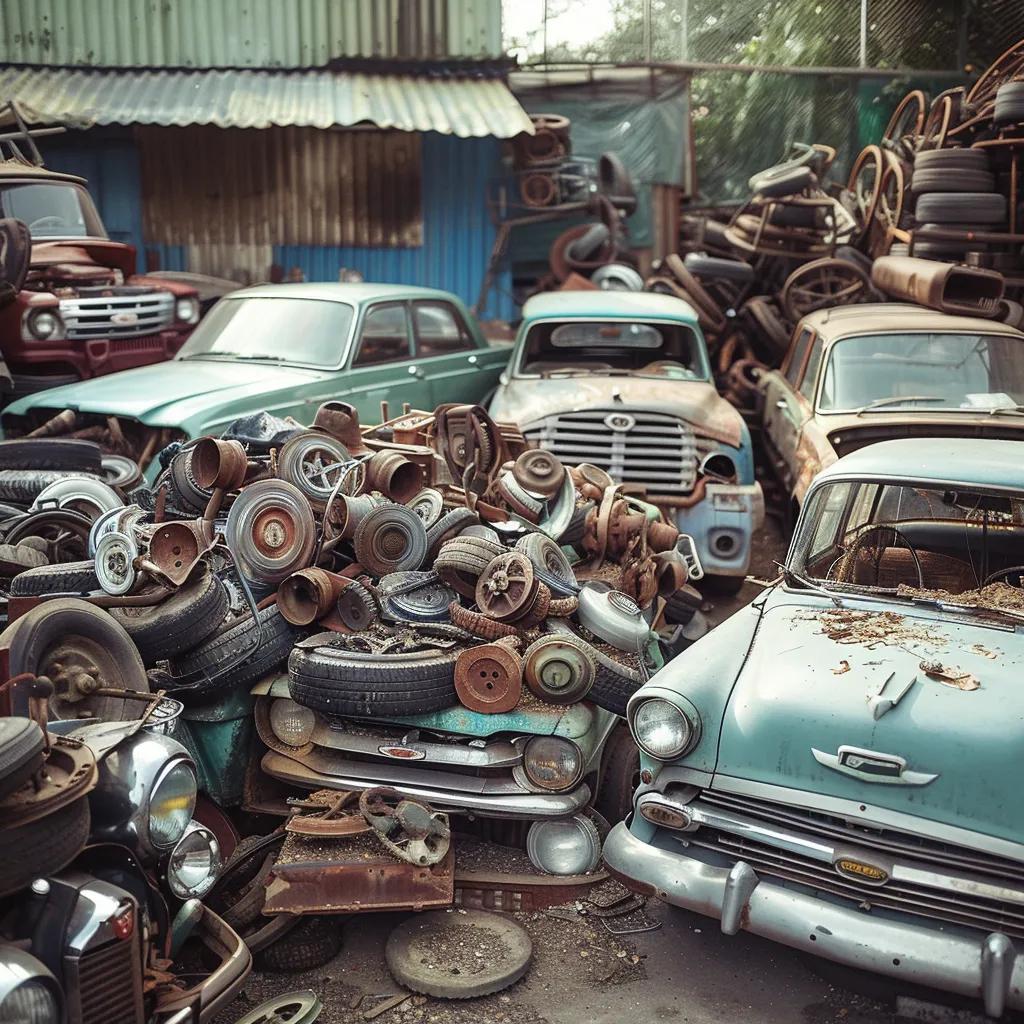
Before you can buy a used car part, it has to come from somewhere. The vast majority of second-hand car parts in Singapore come from vehicles that have been deregistered and scrapped. In a country with a 10-year COE system, thousands of cars are taken off the road each year, creating a consistent supply of salvageable components.
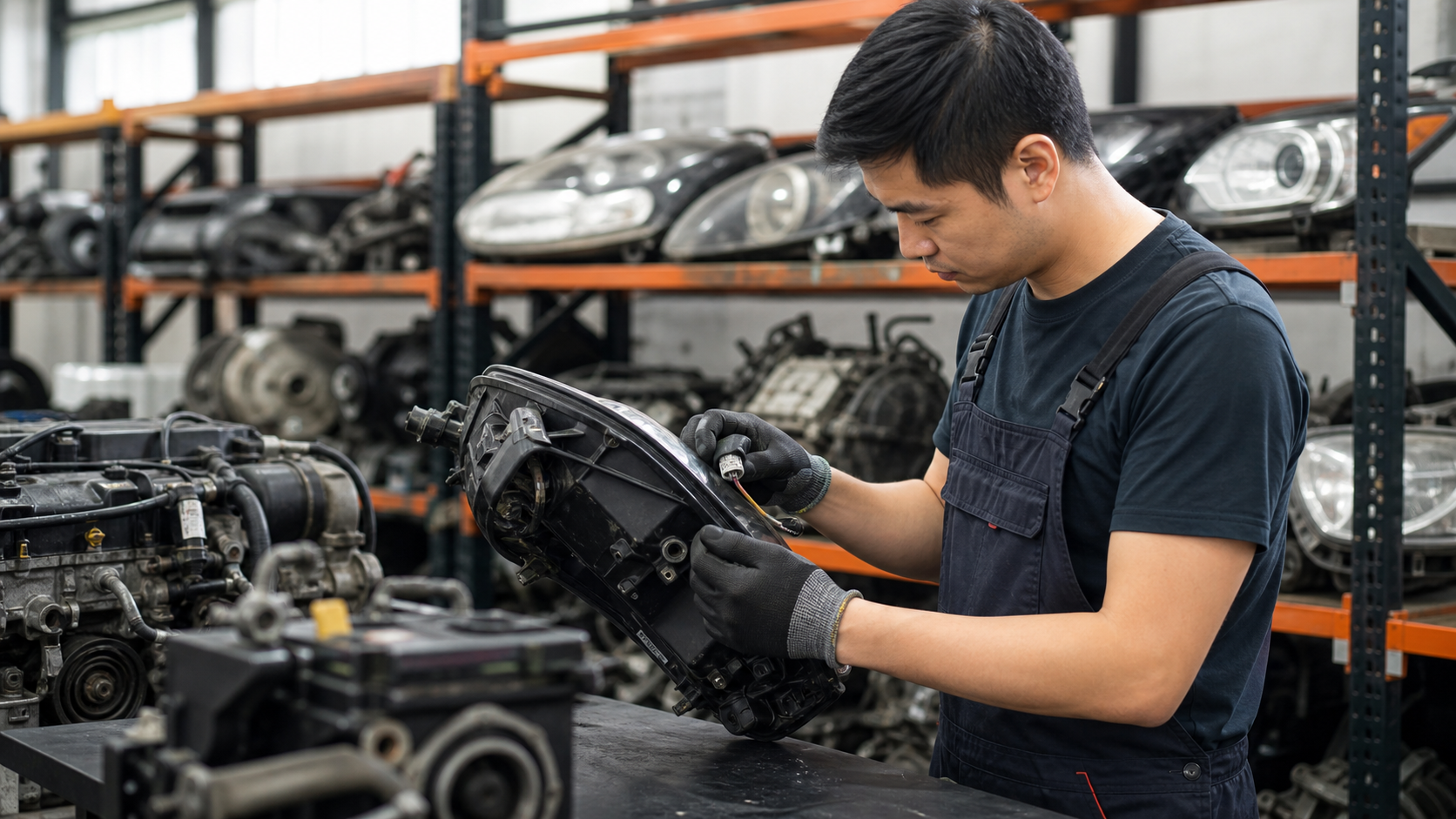
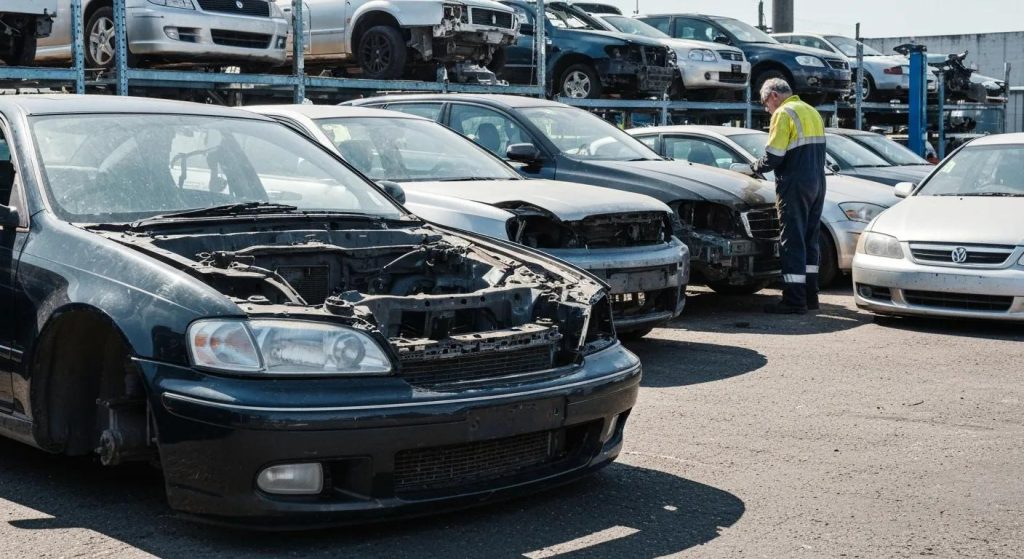
When a car arrives at an LTA-approved scrapyard, it is not immediately crushed into a block of metal. Instead, it undergoes a meticulous dismantling process. Skilled technicians methodically strip the vehicle of every usable part. This includes everything from large mechanical components such as the engine block, transmission, and suspension systems to smaller electrical components such as alternators, starter motors, and ECUs. Body panels, such as doors, bonnets, and bumpers, are also removed, along with interior fittings, such as seats, dashboards, and audio systems.
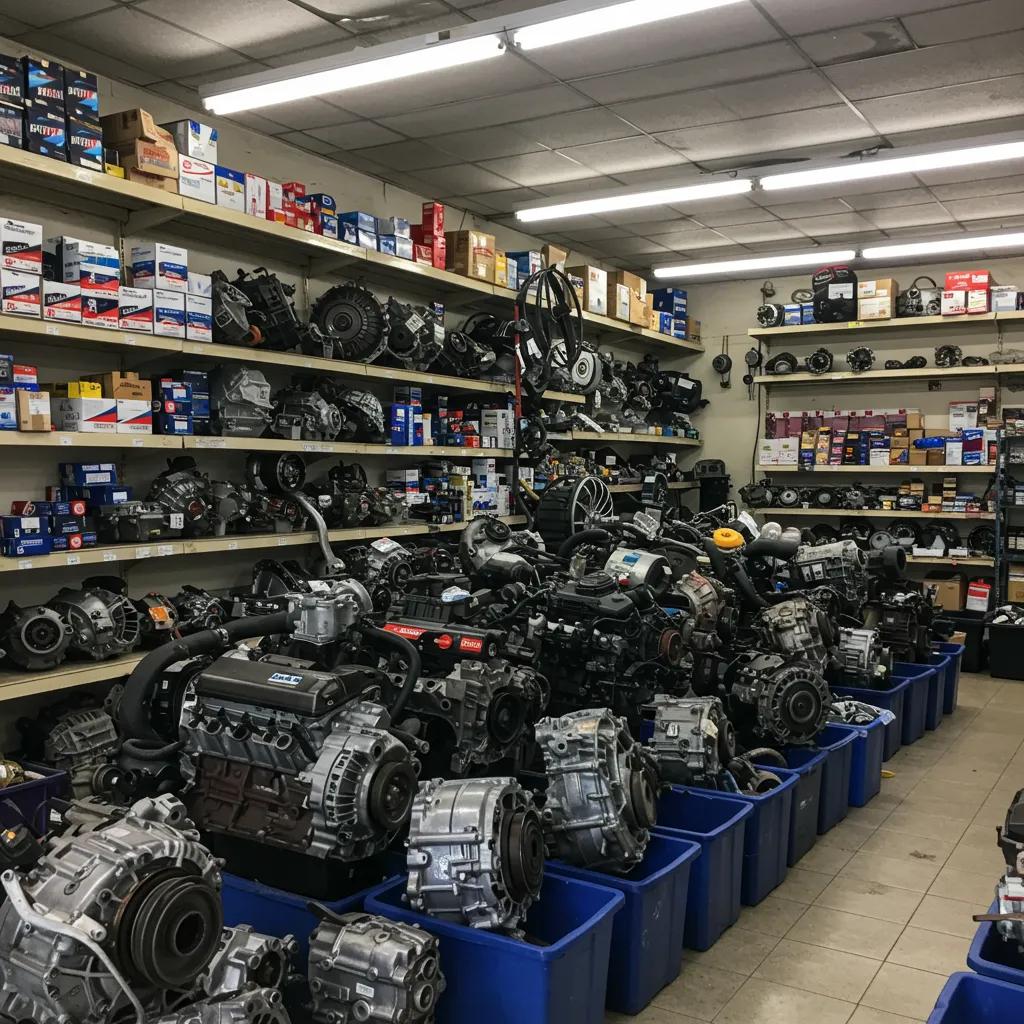
Once removed, each part is inspected for its condition and functionality. Parts that pass inspection are cleaned, cataloged, and stored, ready for sale. This process is the foundation of the second-hand parts market. It’s a form of large-scale recycling that not only provides an affordable solution for car owners but also reduces waste and the environmental impact associated with manufacturing new parts. This sustainable cycle ensures that functional components from end-of-life vehicles get a new lease on life.
Why Choose 2nd Hand Car Parts? The Benefits
Opting for used car parts offers a range of compelling advantages, making it an attractive choice for many Singaporean drivers. While the lower price is the most apparent benefit, the reasons to consider second-hand go beyond just cost savings.
The most significant advantage is, of course, the financial one. Second-hand car parts can cost a fraction of their brand-new OEM counterparts—often 50% to 75% less. This can translate into hundreds or even thousands of dollars in savings on a single repair job, especially for major components like a gearbox or an engine. For owners of older vehicles that are out of warranty, these savings make it feasible to keep their cars on the road without breaking the bank.
Another major benefit is the availability of parts for older or discontinued models. As cars age, manufacturers and authorized dealers may stop stocking specific components. Finding a new part for a 15-year-old vehicle can be nearly impossible. The second-hand market is often the only place to find these “new old stock” or gently used components, making it a lifeline for owners of classic, rare, or simply older cars.
Choosing used parts is also an environmentally responsible decision. The manufacturing of new car parts is an energy-intensive process that consumes substantial raw materials and produces significant carbon emissions. By reusing existing parts, you are participating in a circular economy. This reduces demand for new production, conserves resources, and prevents functional components from ending up in landfills. It’s a sustainable choice that benefits both your wallet and the planet.
Where to Find Second-Hand Car Parts in Singapore
Knowing where to look is half the battle when sourcing 2nd hand car parts in Singapore. The island has several well-known hubs where you can find a wide array of components for almost any make and model.
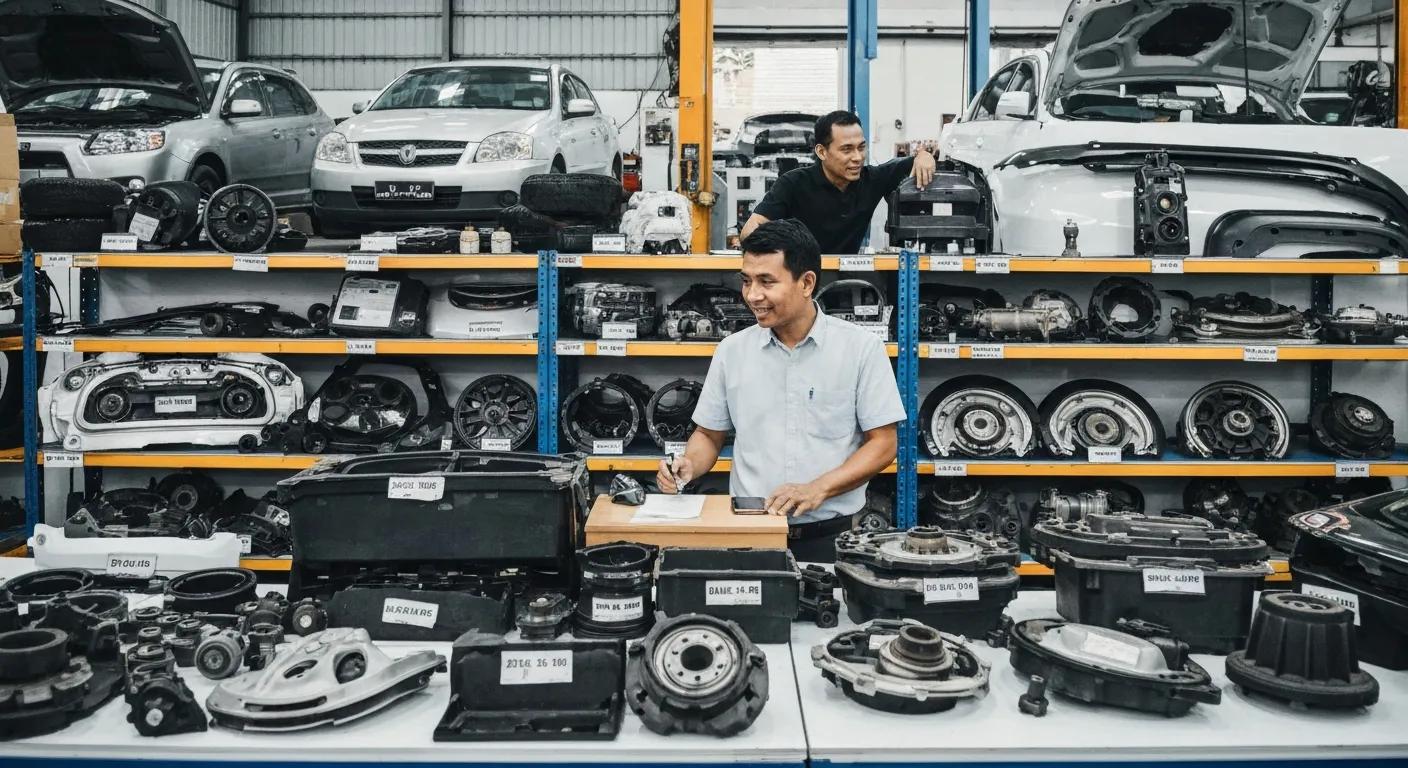
The traditional heart of Singapore’s spare parts trade is in the Jalan Besar and Rochor areas. This district is packed with small, often family-run shops that specialize in car parts. While many focus on new aftermarket parts, many also stock or can source used components. Walking through these lanes and speaking to the knowledgeable “uncles” who run these shops is a classic Singaporean experience for any car enthusiast.
For a more direct-from-the-source approach, the industrial parks in areas like Ubi, Kaki Bukit, and Defu Lane are your best bet. These estates are home to many of the larger auto recyclers, scrapyards, and specialist importers. This is where the cars are actually dismantled. Visiting these suppliers gives you access to a vast inventory and often lower prices, as you are cutting out the middleman. It’s the ideal place to hunt for larger items like body panels or entire engine assemblies.
In the digital age, the search for Singapore 2nd hand car parts has also moved online. Websites like sgCarMart and online forums such as MyCarForum have bustling marketplaces where individuals and businesses list used parts for sale. Facebook Marketplace and dedicated WhatsApp or Telegram groups are also popular platforms for finding specific items. These online channels allow you to browse from home, compare prices easily, and connect with sellers across the island.
A Buyer’s Guide: Tips for a Smart Purchase
Buying second-hand requires a bit more care than purchasing new. To ensure you get a reliable part that is right for your car, follow a few key guidelines. This diligence will help you avoid common pitfalls and make a successful purchase.
First and foremost, know precisely what you need. The best way to do this is to get the specific part number from your mechanic or from the old part itself. Car manufacturers often make slight variations to parts, and having the correct number is the surest way to guarantee a perfect fit and compatibility.
When you find a potential part, always inspect it thoroughly before paying. Look for any visible signs of damage, such as cracks, dents, deep scratches, or significant corrosion. For mechanical parts, check for smooth movement and listen for any unusual noises. If you’re not confident in your own assessment, don’t hesitate to bring your mechanic along or send them detailed pictures for their opinion.
Always inquire about the part’s history and ask if the seller offers any warranty. A reputable seller should be able to tell you the car’s mileage and the model the part came from. Many dealers offer a short-term “testing warranty,” which typically lasts a week. This gives you enough time to install the part and confirm it is working correctly. A seller who offers a warranty is showing confidence in the quality of their product.
Finally, don’t be afraid to negotiate, especially if you are buying directly from a scrapyard or a smaller shop. Prices for used parts are often flexible, and a polite negotiation can sometimes lead to a better deal.
Common Myths About Used Car Parts
There are several misconceptions surrounding the use of second-hand car parts that can deter people from considering them. It’s important to separate myth from reality to make a truly informed decision.
Myth 1: Used parts are unreliable and will fail quickly.
Reality: While a used part has had a previous life, most parts sourced from reputable scrapyards are from cars that were running perfectly before being deregistered due to COE expiry. These components are OEM quality and, when properly inspected, can offer years of reliable service. The key is to buy from a trusted source.
Myth 2: It’s always better to buy new.
Reality: For critical safety components like brake pads or airbags, new is indeed the recommended choice. However, for a vast number of other parts—such as a side mirror, a window motor, a door handle, or even an alternator—a used part performs identically to a new one but at a much lower cost. There is no practical advantage to paying a premium for a new cosmetic or simple mechanical part.
Myth 3: You can’t get a warranty on used parts.
Reality: This is largely untrue. While you won’t get a one-year manufacturer’s warranty, most professional sellers of 2nd hand car parts in Singapore offer a limited warranty. This is typically a 7-day to 30-day guarantee that the part is functional upon installation, providing a crucial safety net for the buyer.
Conclusion: The Smart Choice for Savvy Car Owners
The market for second-hand car parts in Singapore offers a practical, affordable, and sustainable solution for vehicle maintenance. By understanding where these parts come from and how to navigate the purchasing process, you can access high-quality components without the premium price tag. It’s a savvy approach that keeps your car in excellent condition while being kind to your wallet and the environment. The next time you face a repair, consider exploring the world of Singapore’s 2nd hand car parts—you might be surprised at the value and quality you find.
Frequently Asked Questions (FAQs)
1. Is it legal to use second hand parts for car repairs in Singapore?
Yes, it is completely legal and very common. There are no regulations prohibiting the use of used parts for repairs, as long as they are in good working order and do not compromise the vehicle’s safety.
2. Which types of parts are best to buy second hand?
Cosmetic parts (mirrors, trim, body panels), simple electrical components (window regulators, switches), and major mechanical parts with a good history (engines, transmissions from low-mileage cars) are all excellent candidates for buying second hand. It’s generally advised to buy new for wear-and-tear items like brake pads, tires, and filters.
3. Can I install a used part myself?
If you have the right tools and mechanical knowledge, you can certainly install many parts yourself. However, for complex components or safety systems, it is always best to have the installation performed by a qualified professional mechanic.
4. How can I be sure a used part will fit my car?
The most reliable method is to match the part number from your old component with the new one. You can also provide the seller with your car’s Vehicle Identification Number (VIN), which they can use to verify compatibility.
5. Do I get a better price if I go directly to a scrapyard?
Often, yes. Going directly to the source in industrial areas like Ubi or Defu Lane can allow you to bypass reseller markups. However, it may require more time and effort on your part to locate and inspect the item compared to visiting a more retail-focused parts shop.