When your vehicle breaks down, the immediate stress is often followed by a single, pressing question: “Where can I find a quality car spare part shop near me?” The search for the right component can feel overwhelming, whether you’re a DIY enthusiast looking to save on repair costs or simply trying to get your daily driver back on the road quickly. This guide serves as your roadmap to navigating the world of auto parts, helping you understand your options, identify reliable suppliers, and make informed choices for your vehicle’s health and your wallet.
We will explore various avenues for sourcing car parts, ranging from traditional brick-and-mortar stores to the treasure troves found in scrap yards. You will learn the crucial differences between OEM, aftermarket, and used parts, and gain the confidence to find the exact components you need. This guide will provide actionable tips for locating trusted suppliers, ensuring you get quality car parts that fit your vehicle and budget perfectly.
Your Options: Where to Find Car Spare Parts Near Me
The quest for car spare parts can lead you down several paths. Each has its own set of advantages and disadvantages related to cost, quality, and convenience. Understanding these options is the first step in making an efficient and informed decision for your vehicle repair needs.
Local Auto Parts Stores
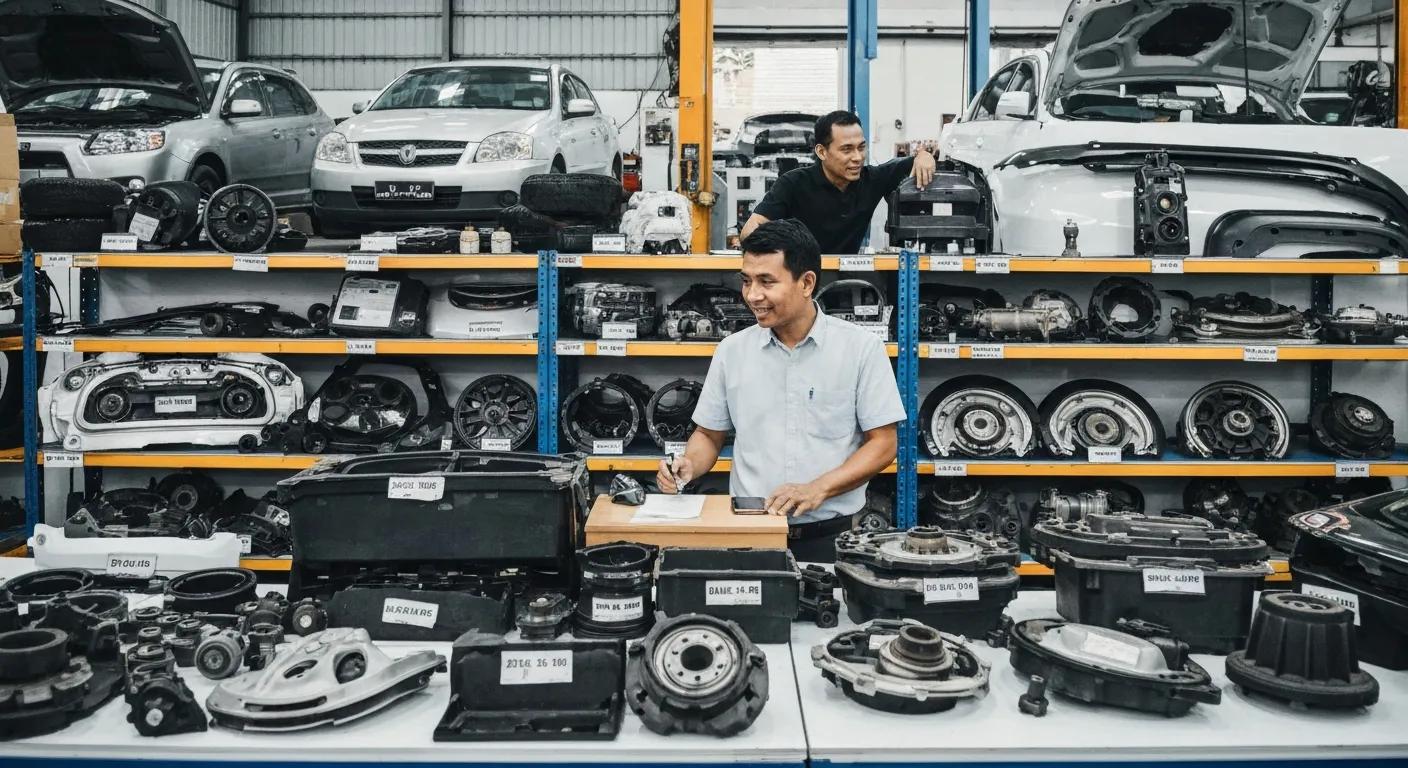
The most traditional and often most convenient option is the local auto parts store. These are the retailers you see in commercial districts, ranging from large national chains to smaller, family-owned businesses. When you search for a “car spare parts store near me,” these establishments are likely the first results to appear. Their primary benefit is immediacy. You can walk in, speak with a knowledgeable counterperson, and often leave with the part you need in hand.
These stores typically stock a wide range of standard maintenance and repair items, including oil filters, brake pads, batteries, spark plugs, and various fluids. For more obscure or specific car parts, they can usually order them for you, with delivery often available within one to two days. The staff can be a valuable resource, helping you identify the correct part for your make and model and sometimes even offering basic installation advice. While their prices may be slightly higher than those of online retailers, the convenience and expert assistance often justify the cost, especially when you need to get your car fixed right away.
Dealership Parts Departments
For vehicle-specific components, particularly for newer or more complex models, the parts department at your car dealership is an invaluable resource. Dealerships exclusively sell Original Equipment Manufacturer (OEM) parts, which are identical to the ones your car was built with at the factory. This guarantees a perfect fit, optimal performance, and uncompromising quality.
While dealerships are the most expensive option, they offer peace of mind. Using genuine parts is often a requirement to maintain a new car’s warranty. Their parts specialists can use your Vehicle Identification Number (VIN) to pinpoint the exact component required, eliminating any guesswork. For critical electronic modules, sensors, or safety equipment like airbags, the dealership is the safest and most reliable source. They ensure you are getting a part that integrates seamlessly with your vehicle’s intricate systems.
Online Car Parts Retailers
The digital age has transformed the way we buy car spare parts. Online retailers offer a massive selection of OEM, aftermarket, and even performance car parts at highly competitive prices. Websites allow you to search for components by your vehicle’s year, make, and model, making it easy to find compatible options from a wide range of manufacturers.
The biggest advantage of shopping online is the cost savings. Without the overhead of a physical storefront, online sellers can offer lower prices. You can easily compare different brands and prices to find the best deal. Many online stores in regions like Singapore provide fast shipping, sometimes even on the same day. However, the responsibility is on you to ensure you order the correct part. Always double-check part numbers and be aware of the seller’s return policy. For DIY mechanics who know exactly what they need, online retailers are an excellent way to save money on car parts in Singapore.
Scrap Yards: A Goldmine for Used Car Parts
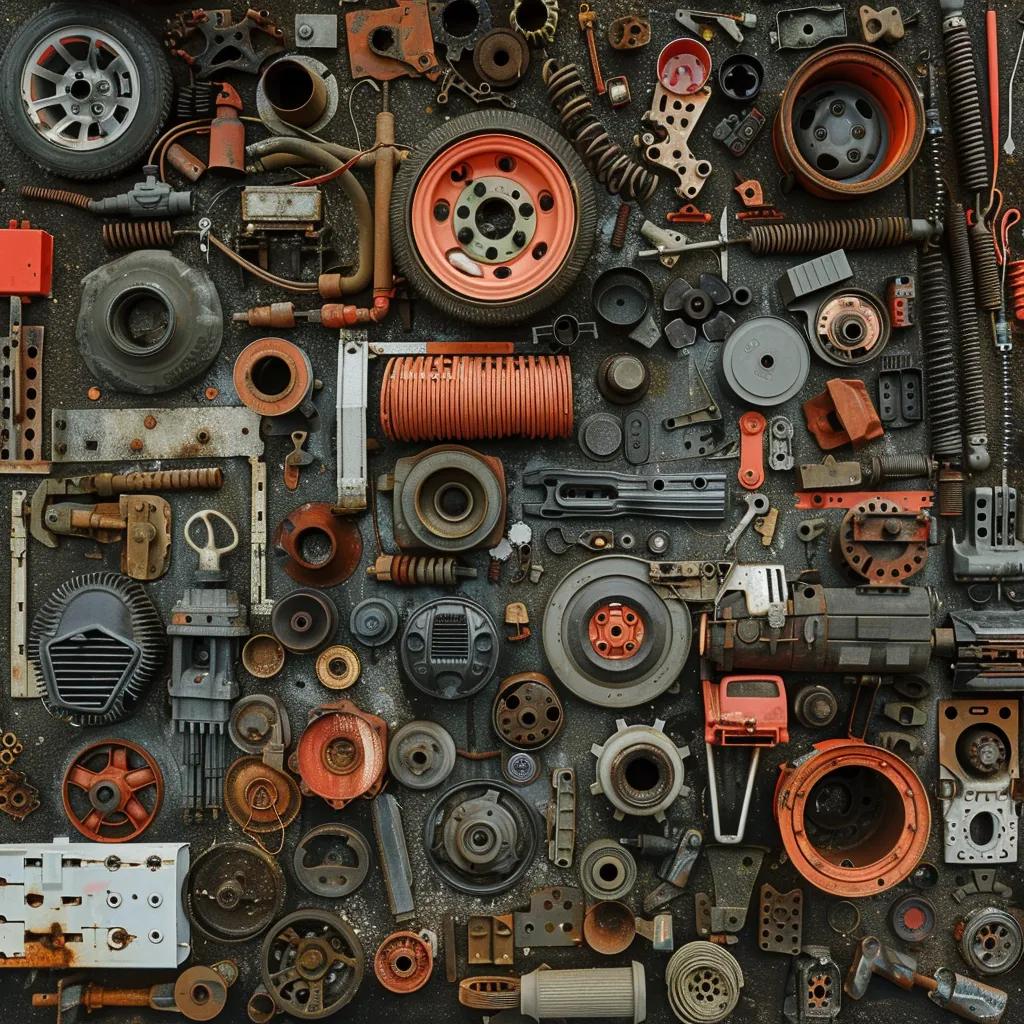
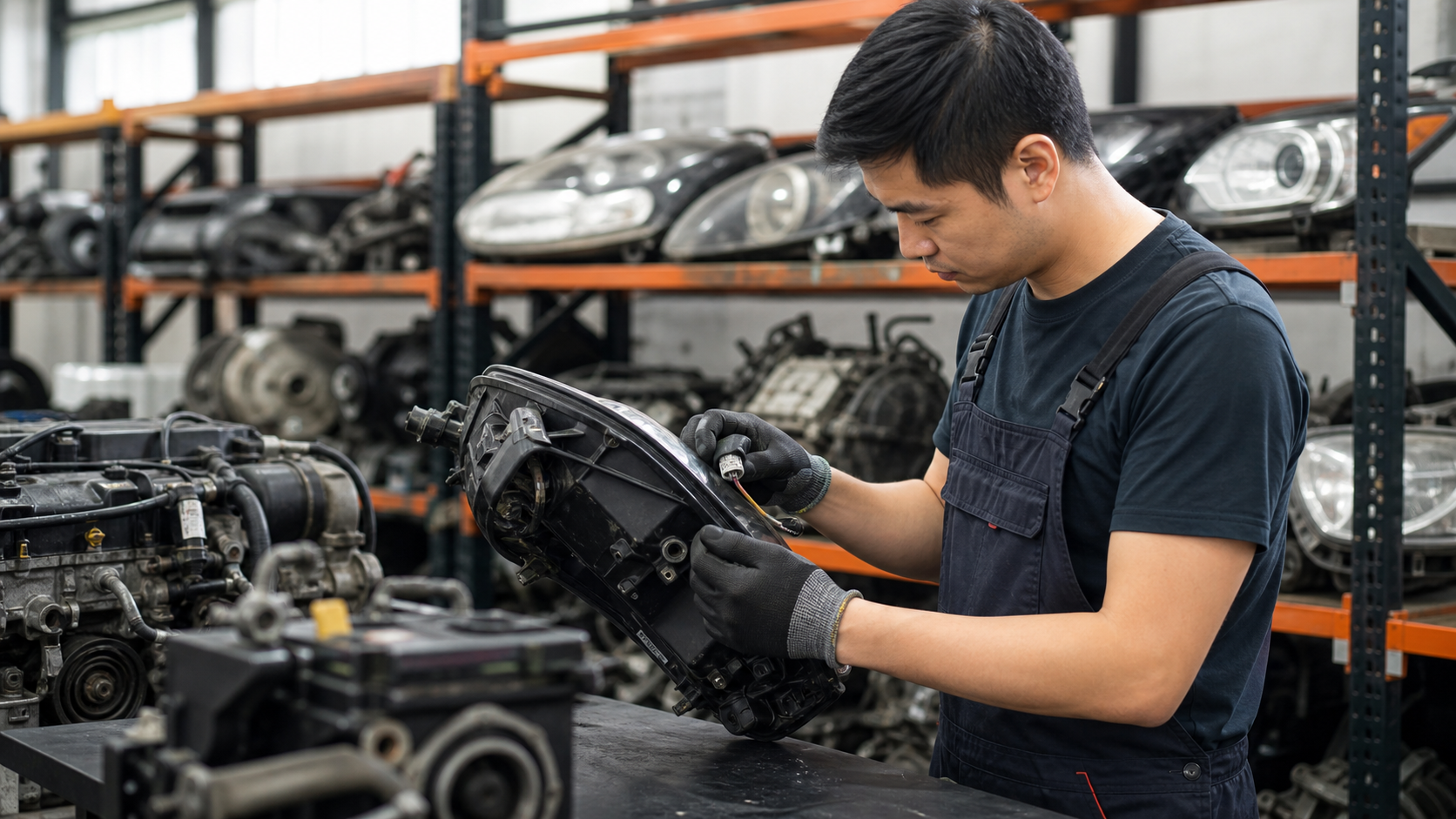
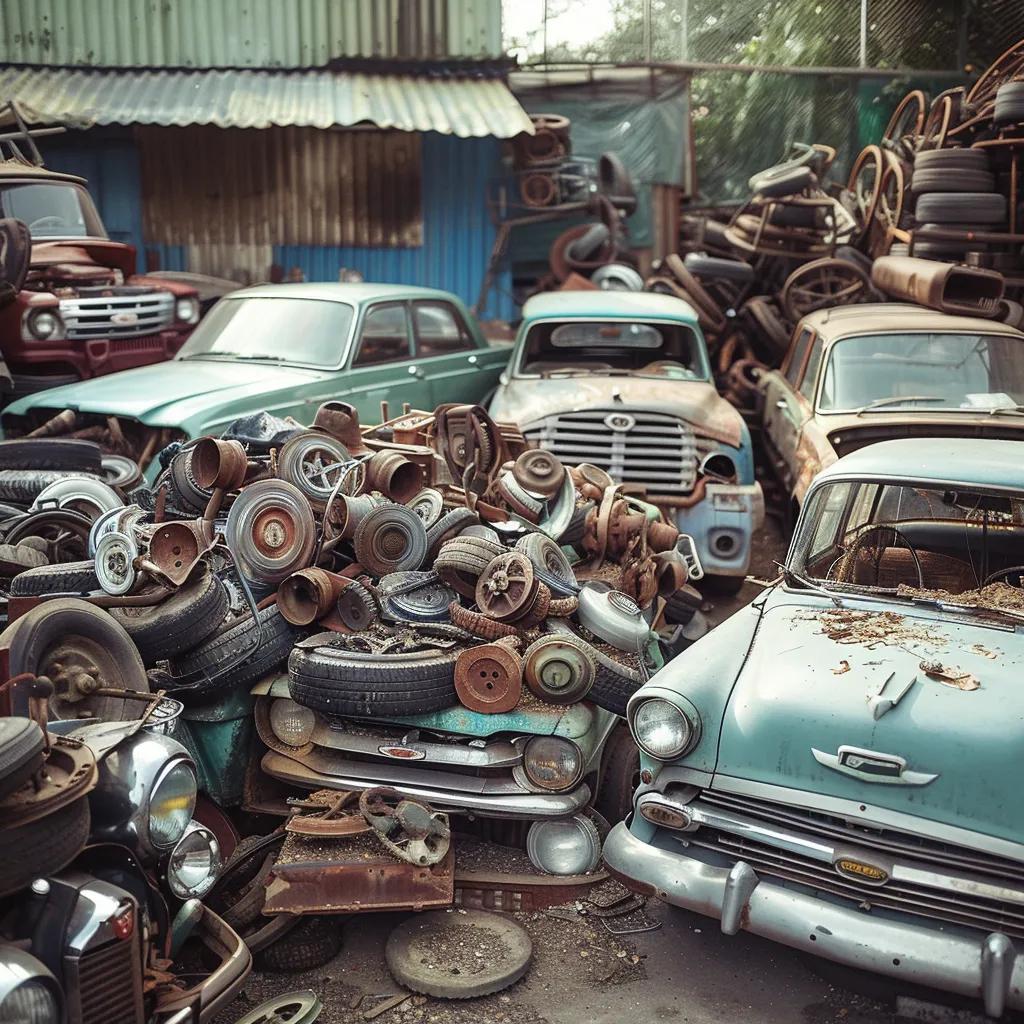
When budget is a major concern or you’re searching for a part for an older or rarer vehicle, a scrap yard can be your best friend. Often referred to as salvage yards or auto wreckers, these facilities are where end-of-life vehicles are dismantled. They offer a sustainable and incredibly cost-effective way to source functional components. The experience of searching for “scrap yard car parts” is unlike any other shopping trip.
How Scrap Yards Work
Scrap yards acquire vehicles that have been in accidents, written off by insurance companies, or have reached the end of their operational life. These cars are then processed, with usable parts being cataloged and stored. There are two main types of scrap yards: “you-pull-it” and full-service.
At a you-pull-it yard, you pay a small entry fee, bring your own tools, and venture into the yard to find the vehicle model you need. You then remove the part yourself. This is the most affordable option and can be a rewarding experience for hands-on car enthusiasts. Full-service yards, on the other hand, have already removed, inspected, and inventoried the parts. You go to the counter, request the component you need, and they will retrieve it for you. This is more convenient but comes at a slightly higher price.
What Kind of Parts Can You Find?
Scrap yards are a treasure trove for a wide variety of components. You can find major body panels, such as doors, bumpers, and hoods, often in the correct color, saving you the cost of painting. Mechanical parts such as engines, transmissions, alternators, and starter motors are also commonly available at a fraction of the cost of new ones. Even smaller interior items, such as seats, dashboards, radios, and window switches, can be found.
For owners of older or discontinued models, scrap yards are often the only source for original parts that are no longer in production. Many modern scrap yards have computerized inventory systems, allowing you to call ahead or check online to see if they have the specific car spare parts you’re looking for. This saves you a trip and the effort of searching the entire lot.
Tips for Buying from a Scrap Yard
When buying scrap yard car parts, it’s essential to be a savvy shopper. Scrutinize the part for signs of excessive wear, damage, or corrosion. For mechanical or electrical parts, inquire about the yard’s return policy or warranty. Many reputable yards offer a short-term warranty (e.g., 30 days) that allows you to return a part if it proves to be defective. Bringing your old part with you can help ensure you get an exact match. With a bit of patience and effort, scrap yards can yield incredible bargains and keep your car running for less.
OEM vs. Aftermarket vs. Used Parts: Making the Right Choice
When you begin your search for car parts, you’ll encounter three main categories: OEM, Aftermarket, and Used. The best choice for you depends on your vehicle’s age, your budget, and the specific component you are replacing.
OEM (Original Equipment Manufacturer)
As mentioned earlier, OEM parts are made by the same company that manufactured the original components for your vehicle. When you buy an OEM part from a dealership, it comes in packaging branded by the car manufacturer. You can also purchase these same parts from independent suppliers, who sell them in the original manufacturer’s packaging (e.g., Bosch, Denso, ZF). OEM parts guarantee a perfect fit and the same level of quality and performance as the original. They are the ideal choice for newer cars, complex electronics, and safety-critical systems, though they are the most expensive option among the three.
Aftermarket Parts
Aftermarket parts are produced by companies other than the original manufacturer. The quality and price of aftermarket parts can vary dramatically. Some aftermarket brands are renowned for producing high-quality components that meet or exceed OEM specifications, often offering enhanced performance. Others produce cheaper alternatives that may not have the same durability or precise fit.
The primary appeal of aftermarket parts is their lower cost. For everyday wear items like brake rotors, filters, and suspension components on an older, out-of-warranty vehicle, high-quality aftermarket parts can offer excellent value. It’s crucial to buy from reputable brands and trusted suppliers to avoid issues. Reading reviews and seeking recommendations from mechanics can help you identify reliable aftermarket options.
Used Parts
Used parts, primarily sourced from scrap yards, are the most budget-friendly option. These are original OEM parts salvaged from other vehicles. For non-wear items like body panels, interior trim, mirrors, or even major assemblies like engines and transmissions, used parts can save you a significant amount of money. The key is to ensure the part is in good condition. When considering a used mechanical part, try to find out the mileage of the vehicle it came from and always ask about the seller’s warranty or return policy. For many repairs, a good-condition used OEM part is a much better choice than a cheap, new aftermarket part.
How to Verify You’re Buying the Right Car Parts
Ordering or purchasing the wrong part is a frustrating, time-consuming, and potentially costly mistake. Taking a few extra steps to verify compatibility before you buy can save you a major headache.
The Power of the VIN
Your vehicle’s Vehicle Identification Number (VIN) is the most critical piece of information for sourcing correct car spare parts. This 17-digit code is unique to your car and contains specific details about its make, model, year, engine type, and even the factory where it was built. Reputable parts suppliers, whether at a dealership, a local store, or online, will use your VIN to access a detailed catalog of parts that are guaranteed to fit your vehicle. Always have your vehicle’s VIN ready when shopping for parts. You can usually find it on a plate on the driver’s side dashboard (visible through the windshield) or on a sticker inside the driver’s door jamb.
Cross-Referencing Part Numbers
If you have the old part, look for a number stamped or printed on it. This is the OEM part number. You can use this number to search online or provide it to a parts supplier to find an exact match or an equivalent aftermarket replacement. This is one of the most reliable methods for ensuring you get the correct component. If you can’t find a number, take clear photos of the part from multiple angles. These photos can be invaluable for a counterperson or online support agent to identify what you need visually.
Consult with Professionals
Don’t hesitate to seek expert advice. If you’re unsure about a repair, talk to a trusted mechanic. They can diagnose the problem correctly and tell you exactly which parts need to be replaced. Even if you plan to do the work yourself, paying for a professional diagnosis can be a wise investment. The staff at dedicated car spare parts shops are also a wealth of knowledge. They deal with these components all day and can often provide valuable insights, confirming you’re on the right track.
Tips for Finding a Reputable Car Spare Part Shop Near Me
Finding a trustworthy supplier is just as important as finding the right part. A reputable shop will offer high-quality components, competitive prices, and exceptional customer service.
Check Online Reviews and Ratings
Begin your search by consulting online reviews on platforms such as Google Maps, Yelp, and specialized automotive forums. Look for suppliers with consistently high ratings and read through the comments. Pay attention to feedback regarding parts quality, staff helpfulness, price fairness, and the efficiency of their return process. A pattern of positive reviews is a strong indicator of a reliable business.
Ask for Recommendations
Word of mouth is still one of the most powerful tools. Ask for recommendations from friends, family, or colleagues who are car enthusiasts or perform their own maintenance. If you have a trusted mechanic, ask them where they source their parts. Mechanics build their reputations on the quality of their work, so they will only use suppliers they know are dependable.
Evaluate Their Inventory and Expertise
When you visit or call a potential shop, gauge their level of expertise. Do they ask for your VIN? Do they seem knowledgeable about your specific vehicle? A good parts shop will have a well-organized inventory and staff who can quickly and confidently answer your questions. In Singapore, for example, many specialized shops in areas known for automotive businesses have deep expertise in specific car brands, whether they are European, Japanese, or Korean models. Finding a specialist for your car’s make can be a huge advantage.
Frequently Asked Questions (FAQs)
1. How can I be sure a used part from a scrap yard is good?
Inspect the part thoroughly for visible damage, cracks, or excessive wear. For mechanical parts like alternators or engines, ask about the mileage of the donor vehicle. Most importantly, only buy from reputable scrap yards that offer a warranty or a return policy. This gives you a safety net in case the part is defective.
2. Is it cheaper to buy car parts online?
Generally, yes. Online retailers have lower overhead costs, which often translate to lower prices for consumers. You can also easily compare prices from multiple sellers. However, be sure to factor in shipping costs and potential return shipping fees if you order the wrong part.
3. What’s the difference between OEM and genuine car parts?
The terms are often used interchangeably, but there’s a slight distinction. A “genuine” part comes in a box with the car manufacturer’s logo (e.g., Toyota, BMW) and is sold at the dealership. An “OEM” part is the same component made by the same company, but sold in that company’s own packaging (e.g., Bosch, Aisin). OEM parts are typically less expensive than genuine parts but offer the same quality.
4. Can a mechanic install parts that I buy myself?
Many independent mechanics will agree to install parts that you provide. However, they will typically not offer a warranty on the labor if the part you supplied fails. If the mechanic supplies the part, they will usually warranty both the part and their labor. Always discuss this with your mechanic beforehand.
5. What information do I need to have when looking for a car spare part shop near me?
To get the right part quickly, have your vehicle’s year, make, and model ready. Most importantly, have your 17-digit Vehicle Identification Number (VIN). The VIN is the most accurate way for a supplier to identify the exact components that fit your specific car.
Conclusion
Finding the right car spare parts doesn’t have to be a daunting task. By understanding your options—from the convenience of a local auto parts store to the value of a scrap yard—you can make a choice that fits your needs and budget. Differentiating between OEM, aftermarket, and used parts enables you to balance cost and quality effectively. Always use your VIN to verify compatibility and seek out reputable suppliers with positive reviews and knowledgeable staff. Whether you’re undertaking a simple maintenance job or a significant repair, being an informed consumer is your best tool. Armed with this knowledge, you can confidently search for a “car spare parts shop near me” and get your vehicle back on the road safely and affordably.