Discover Quality Used Parts from Singapore's Scrap Cars Today
Sourcing dependable used car parts from scrap vehicles in Singapore hinges on understanding where these components originate, the rigorous inspection processes they undergo, and how deregistration and export regulations influence their value and availability. This guide demystifies what “used car parts from scrap cars” means in Singapore, provides practical steps for finding and verifying components like engines, gearboxes, and lighting, and clarifies the regulatory and environmental aspects of vehicle scrapping and parts export. You’ll learn how to locate listings, assess part condition, get the best payout for your end-of-life vehicle (ELV), and navigate LTA deregistration, PARF, and COE rebate procedures. We cover essential sections on why partnering with a professional is wise, step-by-step processes for buyers and sellers, dismantling and testing workflows, LTA rules, export logistics, and clear answers to common questions. Throughout, we integrate keywords like “scrap car Singapore,” “used car parts Singapore,” “LTA deregistration process,” “PARF and COE rebates Singapore,” and “ELV dismantling Singapore” to empower you to act decisively.
Why Partner with Everise Auto for Premium Used Car Parts and Scrap Car Services in Singapore?
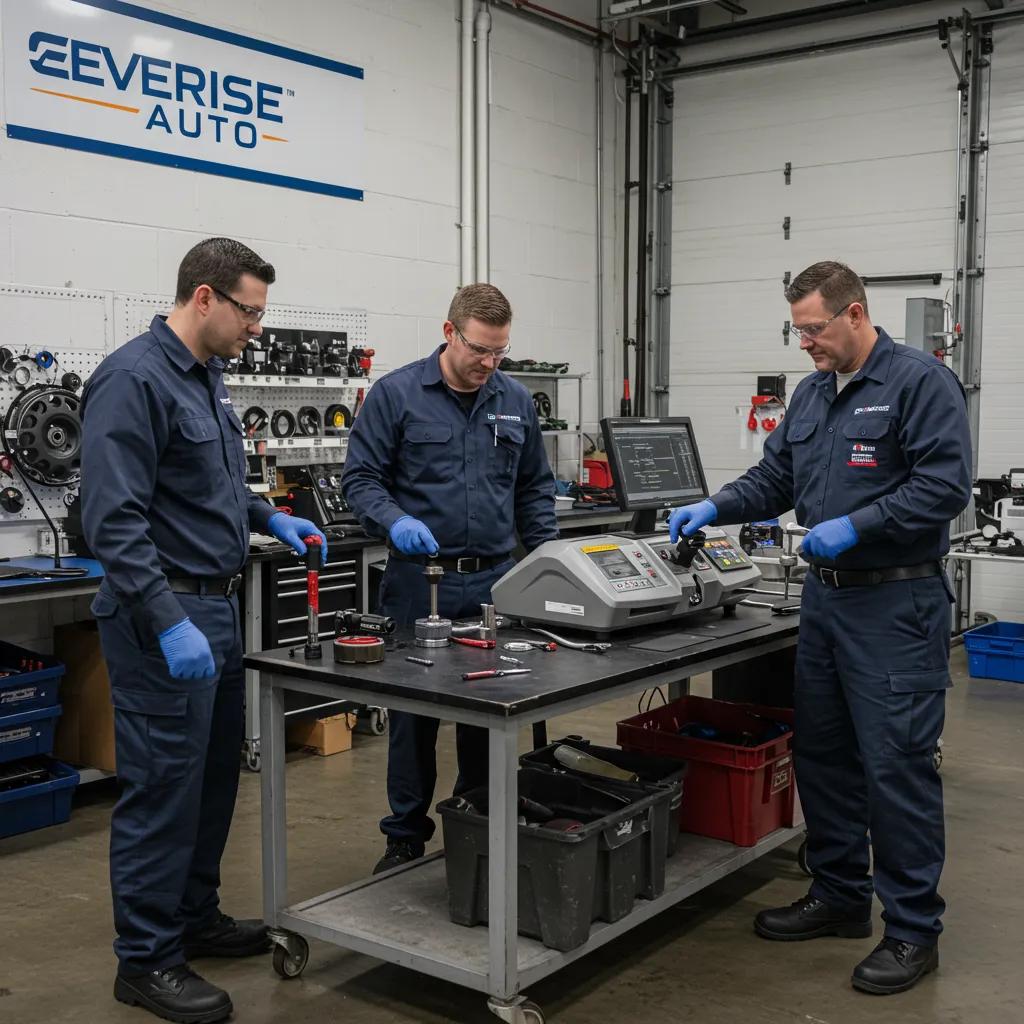
Engaging a trusted specialist minimizes risks, as certified dismantling, documented testing, and meticulous paperwork safeguard both value and safety for all parties. Everise Auto offers a comprehensive solution, managing everything from parts salvage and inventory management to export coordination and LTA deregistration and rebate processing. This peace of mind is invaluable for workshops and individual buyers seeking tested components like engines or gearboxes, while also ensuring compliance for sellers. The following sections detail our stringent inspection standards, our efficient scrapping workflow, and the environmental advantages of our vehicle recycling practices, reinforcing the benefits of choosing a professional partner.
What Guarantees the Reliability and Road-Worthiness of Everise Auto’s Used Car Parts?
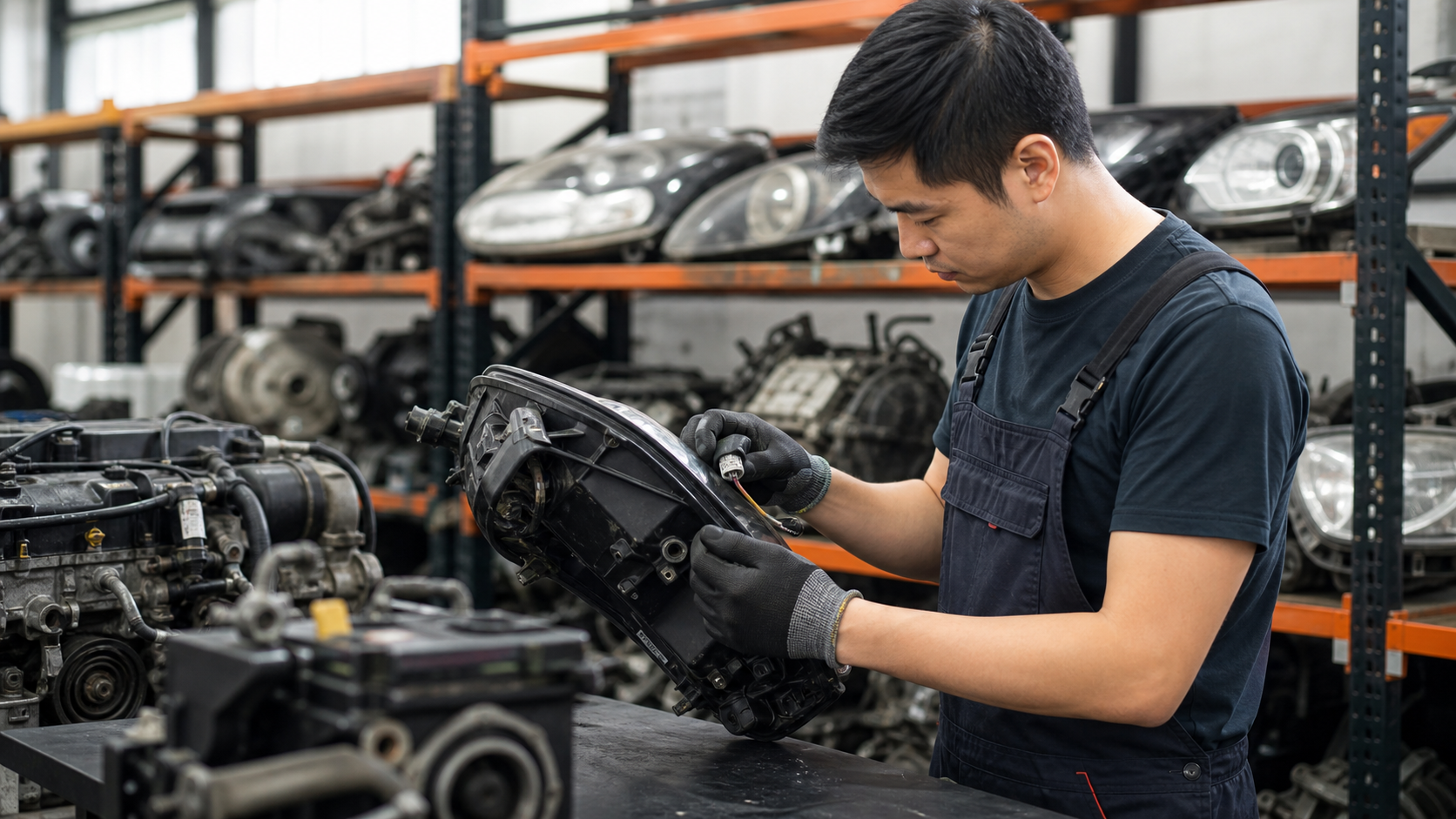
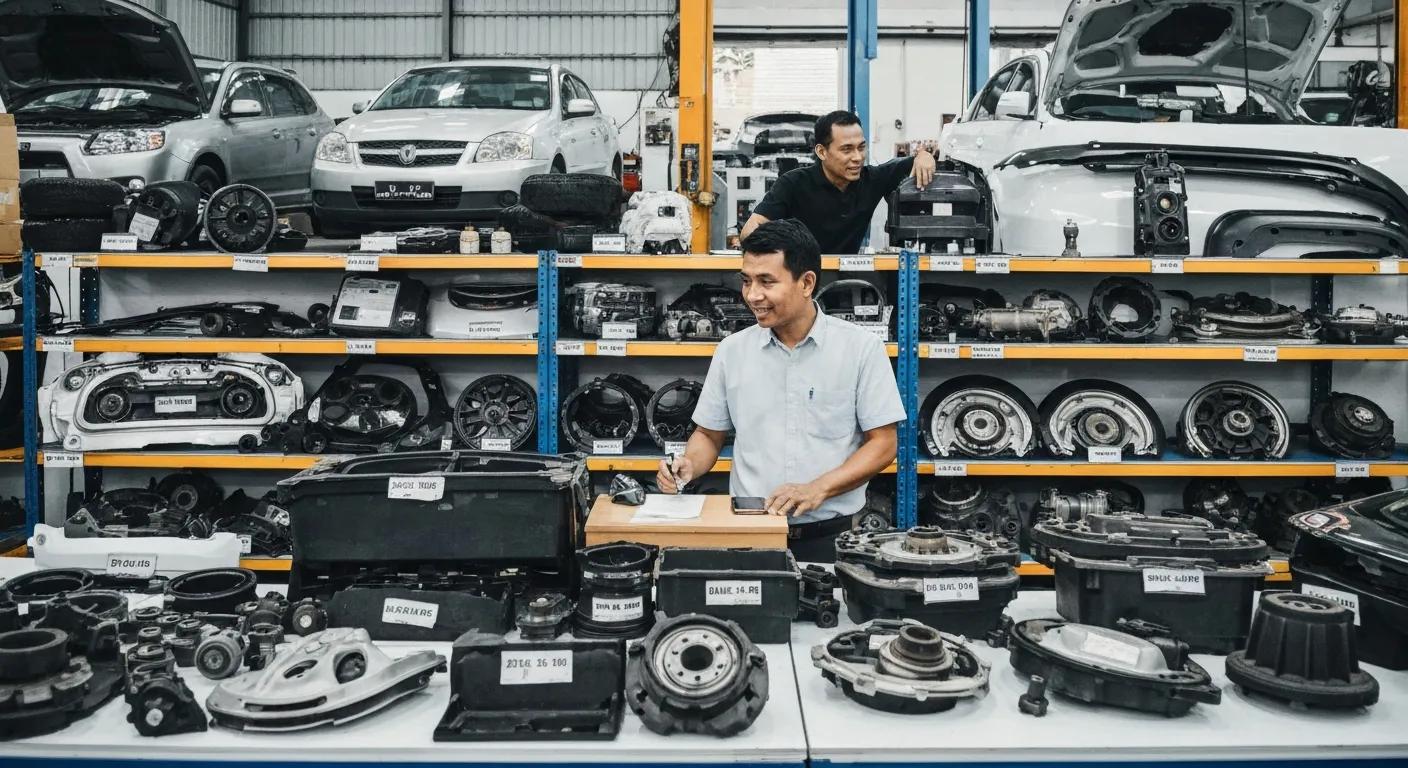
Used car parts earn their reliability through systematic inspection, thorough functional testing, and verified provenance, confirming their compatibility and safety. At Everise Auto, our approach prioritizes visual checks for any signs of damage or wear, mechanical testing of dynamic components like gearboxes and suspension systems, and electrical verification of control modules and lighting units to ensure flawless operation. Parts that meet our high standards are clearly labeled, photographed, and cross-referenced with SKUs or VINs. Any components requiring refurbishment undergo documented reconditioning before being listed. Transparent test records and a clear returns policy for undisclosed faults significantly reduce buyer risk, empowering mechanics to select parts with complete confidence.
How Does Everise Auto Streamline the Car Scrapping Process?
Our streamlined scrapping process combines accurate vehicle valuation, efficient handling of all necessary paperwork, and organized collection to minimize your effort and eliminate timing uncertainties. Everise Auto begins with a complimentary valuation and inspection, identifying salvageable components and estimating potential PARF and COE rebates. We then manage the preparation of documents for LTA deregistration and arrange secure vehicle collection. Payment is processed promptly after verification and deregistration are finalized. This same efficient workflow also supports export logistics for parts destined overseas. This end-to-end coordination significantly shortens turnaround times and relieves vehicle owners of administrative burdens.
How Does Everise Auto Champion Sustainability Through Vehicle Recycling?
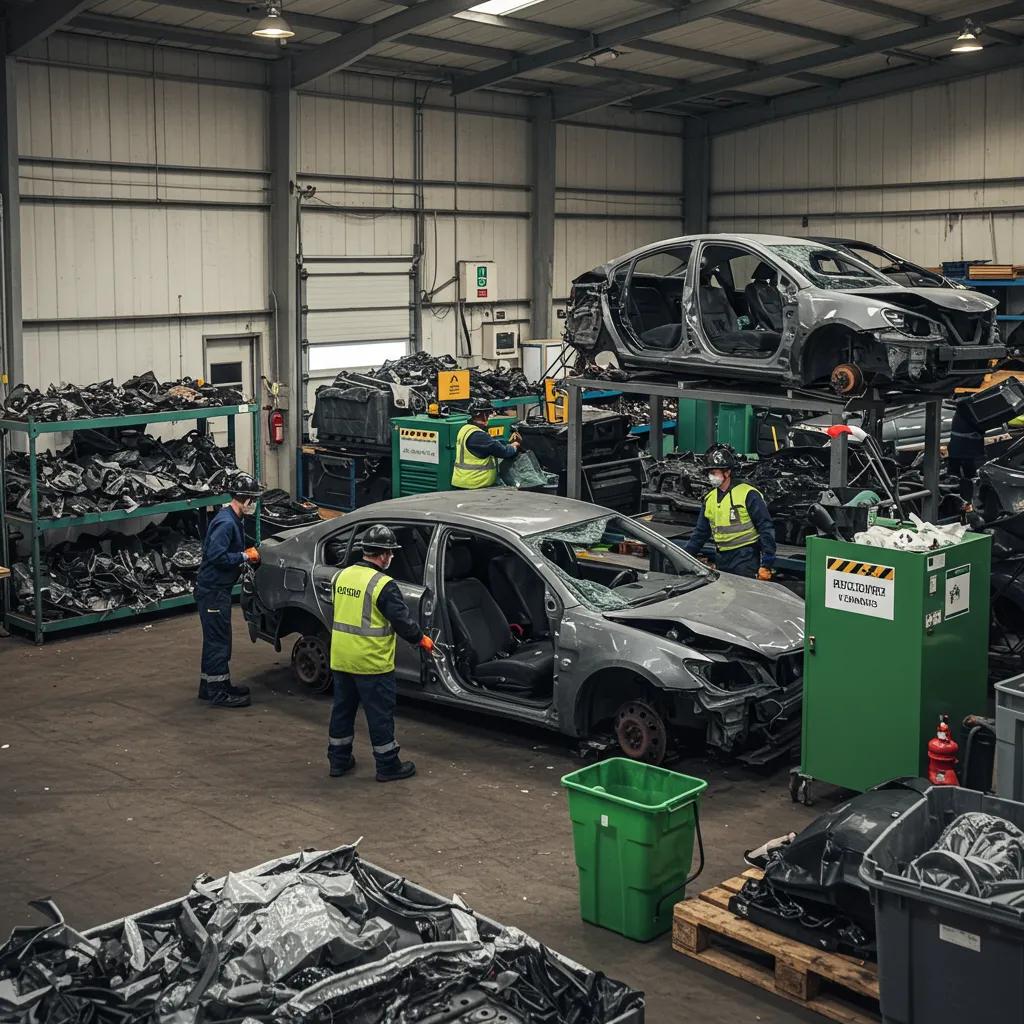
Vehicle recycling is crucial for recovering valuable metals, plastics, and reusable components, while ensuring hazardous materials like engine oil and coolant are managed responsibly to minimize environmental impact. Everise Auto meticulously separates salvageable parts from recyclable scrap, safely drains and disposes of all hazardous fluids according to regulatory best practices, and directs non-salvageable materials to certified recyclers, thereby reducing landfill waste. Through material recovery and parts reuse, we lower the demand for new component production and cut lifecycle emissions, actively contributing to a circular economy for automotive materials. These stringent environmental controls ensure our salvage operations align with Singapore’s regulations and support the responsible export of reconditioned parts.
Circular Economy and End-of-Life Vehicle Part Recovery in the Automotive Industry
Vehicles reaching End-of-Life (EoL) offer significant potential for material and part recovery due to the presence of valuable metals, polymers, and other materials, increasingly recognized as critical resources within the framework of urban mining. This study examines the role of End-of-Life Vehicles (ELVs) in the circular economy by analyzing the transition from the ELV Directive (2000/53/EC) to the newly proposed ELV Regulation. The research investigates how regulatory changes influence ELV management, with a specific focus on integrating these vehicles into circular economy strategies. Furthermore, it underscores significant regulatory advancements and their anticipated effects on the automotive sector. Key issues explored include challenges associated with dismantlability, material recovery, and the efficiency of recycling processes in ELV processing. Among the highlighted concerns, a primary challenge is the difficulty in attaining higher recycling purity and reuse rates for materials and parts derived from ELVs.
Circular Economy in the Automotive Industry: a Study on End-of-Life Vehicles Management and Circular Economy Strategies, 2025
How to Find and Purchase Quality Used Car Parts from Scrap Cars in Singapore?
Locating and buying quality used car parts involves targeted search strategies, consistent inspection protocols, and a clear understanding of part availability based on vehicle type. Begin by identifying the precise part number or a VIN-compatible item. Then, compare listings across various online marketplaces and specialist suppliers to balance cost with reliability. Utilize a detailed checklist to assess authenticity and functional integrity before making a purchase, and always prioritize listings that include test records and clear return policies. The following sections will guide you through common salvaged parts, essential inspection steps for buyers, safe online purchasing platforms, and the compelling advantages of choosing used over new components.
What Popular Used Car Parts Can Be Sourced from Scrap Cars?
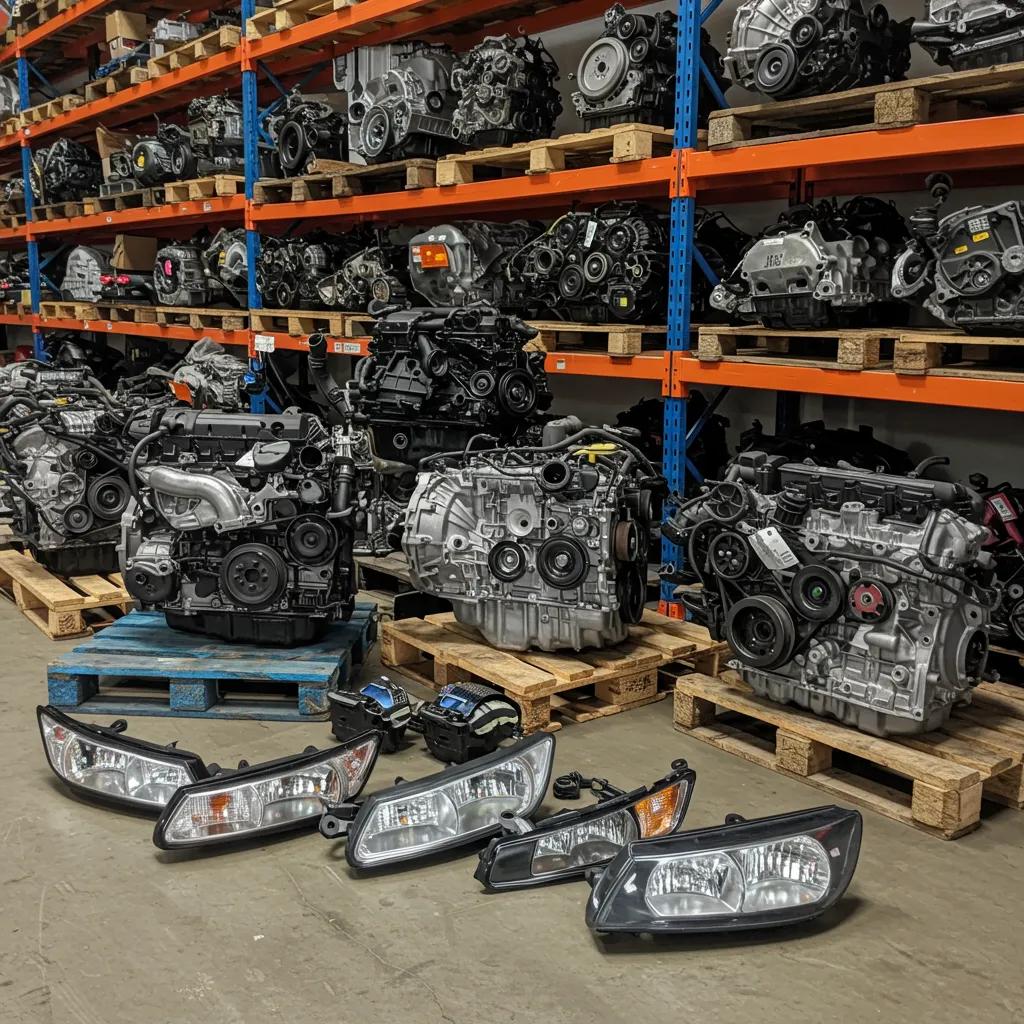
Scrap cars are a rich source of high-demand parts such as engines, gearboxes, suspension components, body panels, lighting assemblies, and rims, making them ideal for repair shops and restorers. Availability often depends on the vehicle‘s make and model; popular Japanese platforms tend to have abundant parts, while components for European brands can be scarcer and command higher prices. Lead times are influenced by salvage volumes and export commitments, with high-demand items like used engines and transmissions often selling quickly. Understanding typical price ranges and availability will help you decide whether to opt for a used part or a new aftermarket alternative.
| Part Type | Condition / Tests Performed | Typical Price Range / Availability |
|---|---|---|
| Used Engine | Compression check, leakdown test, visual inspection | Mid to high range; readily available for popular models |
| Gearbox / Transmission | Gear engagement test, fluid inspection | Mid range; availability varies by specific model |
| Suspension Parts | Visual wear check, strut integrity test | Low to mid range; high turnover in repair workshops |
| Body Panels & Lights | Corrosion check, lens clarity test | Low range; widely available for common vehicle models |
This comparison highlights which parts necessitate functional testing and which are typically purchased primarily for cosmetic replacement. Knowing the usual test status accelerates your sourcing decisions and allows workshops to reserve needed items proactively.
How Can I Verify the Condition and Authenticity of Used Car Parts?
Confirming the condition and authenticity of used parts relies on a standardized checklist that combines visual, mechanical, and documentary checks to minimize purchase risks. Always inspect parts for any cracks, corrosion, or signs of repair work. Request serial or part numbers to verify OEM fitment and ask for recent functional test logs, especially for safety-critical components like airbags and braking systems. Obtain clear photos of mounting points and connectors to compare against your vehicle’s VIN or OEM diagrams, and always confirm the supplier’s return policy for any undisclosed defects. These diligent steps protect you from counterfeit or incompatible parts and ensure predictable installation workflows.
A practical inspection checklist for buyers:
- Visual Inspection: Examine for cracks, corrosion, and wear patterns consistent with the part’s stated mileage.
- Functional Verification: Request or conduct mechanical/electrical tests relevant to the specific part.
- Provenance Check: Confirm VIN or OEM part numbers and ask for supporting photos and test logs.
Applying this checklist helps avoid unexpected issues during installation and supports any potential warranty claims.
Where Can I Buy Used Car Parts Online in Singapore?
Online marketplaces, specialized inventory feeds, and direct supplier listings are your primary avenues for sourcing used parts, each offering a unique balance of price, transparency, and verification. Marketplaces often provide competitive pricing but demand extra diligence regarding provenance and testing. Conversely, specialist suppliers and dismantlers typically offer detailed test logs, SKU tracking, and documented reconditioning processes. Company inventories and live listing platforms geared towards workshops may feature bulk offers and reservation options beneficial for professional repair planning. After evaluating your options, arrange an inspection or request additional tests before finalizing your purchase.
Everise Auto lists its inventory across multiple sales channels and offers a direct inquiry option for detailed part condition and inspection results. Simply contact us via the provided business phone or email to confirm stock availability and testing status before you buy.
How to Sell Your Scrap Car in Singapore for Maximum Value?
Maximizing the value of your scrap car involves accurate valuation, understanding rebate eligibility, and presenting the correct documentation to expedite deregistration and payout. Sellers benefit from a transparent quote that clearly separates the value of salvageable parts from scrap metal value, while also detailing potential PARF and COE rebates. Having your vehicle log card and identification documents ready in advance significantly shortens processing times and minimizes delays with the LTA. The following subsections will guide you through the step-by-step selling process, offer tips to enhance your returns through PARF/COE rebates, and list the essential documents required for a smooth transaction.
What Is the Step-by-Step Process for Selling Your End-of-Life Vehicle?
Selling an ELV typically follows a straightforward sequence: obtain a quote, verify your paperwork, schedule vehicle collection, complete LTA deregistration, and receive your payment upon completion. The process begins with a valuation that identifies salvageable parts and estimates PARF and COE rebate eligibility. We then assist with submitting ownership documents and any necessary authorization forms. Collection is coordinated once the paperwork is prepared, and LTA deregistration is initiated on your behalf to finalize rebate calculations. Expected turnaround times can vary, but professional handlers like Everise Auto expedite inspections and paperwork to minimize your waiting time and uncertainty.
- Request Quote and Inspection: Obtain a detailed valuation that itemizes salvageable parts and potential rebates.
- Submit Documents: Provide your vehicle log card and owner identification to prepare for deregistration.
- Collection and Deregistration: Arrange vehicle pickup and have your handler submit the necessary LTA forms.
- Payment: Receive your final payment after deregistration and verification are complete.
These steps offer a predictable timeline and highlight key points where your prompt action can speed up the process. For sellers seeking direct assistance, Everise Auto manages the entire valuation, LTA deregistration support, and collection process. Contact us using the details provided to request your quote.
How Can I Maximize My Scrap Car Value with PARF and COE Rebates?
PARF and COE rebates can significantly increase the payout for your scrapped car, provided eligibility is confirmed and all paperwork is filed correctly. The PARF (Preferential Additional Registration Fee) rebate is based on your vehicle’s age and previous payments, while the COE rebate reflects the unexpired certificate value, less administrative adjustments. To maximize your returns, ensure your service history is documented, your ownership records are accurate, and you have any prior rebate or transfer documentation that might affect calculations. Professional handlers like Everise Auto coordinate with the LTA to accurately compute and claim the correct rebate amounts on your behalf, minimizing errors and accelerating your payout.
| Value Component | Eligibility Criteria | How Everise Auto Assists / Documents Required |
|---|---|---|
| PARF Rebate | Determined by vehicle age and prior registration payments | Verification of registration history; submission of required LTA forms |
| COE Rebate | Based on the remaining value of the COE at deregistration | Collection of COE documentation; coordination of rebate computation |
| Salvageable Parts Value | Presence of reusable components and market demand | Itemized inspection report and clear inventory labeling |
This table outlines the primary components of your payout, their eligibility requirements, and the essential paperwork that professionals handle to ensure accurate calculations and timely payments.
What Documents Are Required to Sell a Scrap Car in Singapore?
Proper documentation is key to a smooth deregistration and rebate claim process. Typically, you’ll need your vehicle log card, proof of ownership, and valid identification for the registered owner. Additional paperwork might include an authorization letter if a third party is handling the sale on your behalf, service records that support PARF claims, and any prior transfer documents that impact entitlement. Having digital copies of these documents readily available can significantly speed up processing and help handlers prepare accurate LTA submissions. Ensuring these items are prepared before the inspection will shorten the sale timeline and minimize administrative back-and-forth.
- Vehicle log card and proof of ownership.
- Owner’s identification (NRIC or equivalent) and current contact details.
- Authorization letter if an agent is managing the sale on the owner’s behalf.
What Is the Vehicle Dismantling and Parts Salvaging Process in Singapore?
Dismantling and parts salvaging follow a structured workflow that prioritizes safe fluid removal, organized disassembly, and systematic testing to transform ELVs into verified components and recyclable materials. The process begins with decontamination and fluid drainage, followed by the careful removal of high-value parts, which are then labeled and inventoried for sale or export. Components undergo rigorous testing and, where necessary, reconditioning before being photographed, SKU-tagged, and added to our inventory listings. The following subsections detail Everise Auto’s specific dismantling steps, the environmental benefits of our practices, and our testing protocols that ensure road-worthiness.
How Does Everise Auto Dismantle Scrap Cars to Salvage Quality Parts?
Our dismantling process begins with the safe removal of hazardous fluids—engine oil, coolant, and fuel—handled strictly according to environmental protocols to ensure workshop safety and regulatory compliance. Technicians then meticulously remove salvageable systems in a sequence that preserves component integrity: drivetrains are addressed first, followed by electrical modules, and then body items and trim. Each part is clearly labeled and photographed for inventory purposes. Reusable components are thoroughly tested and either listed for sale or sent for professional reconditioning, while non-salvageable materials are sorted for recycling. Clear chain-of-custody records and SKU tagging maintain provenance for buyers and ensure accurate documentation for international shipments.
What Are the Environmental Benefits of Car Dismantling and Recycling?
Dismantling recovers valuable metals, plastics, and reusable subassemblies that would otherwise require energy-intensive virgin material production, significantly reducing embodied energy and carbon emissions. Proper handling and disposal of fluids prevent soil and water contamination, and diverting reusable parts from landfills substantially lowers waste volumes. Reusing engines, transmissions, and electronic components reduces the demand for newly manufactured parts, contributing to resource circularity. Quantifying recovery rates and meticulously tracking materials helps demonstrate the substantial environmental value of salvage operations to stakeholders and regulatory bodies.
How Are Salvaged Parts Tested for Road-Worthiness and Safety?
Testing for road-worthiness involves a combination of detailed visual inspection, functional tests, and certification of safety-critical systems to guarantee parts are fit for reuse. Common tests include compression or leakdown tests for engines, gear engagement and vibration checks for transmissions, electrical continuity and diagnostic scans for modules, and performance verification for braking components and safety systems. Each test is meticulously recorded, noting pass criteria and turnaround times, so buyers receive reproducible evidence of the part’s reliability.
| Test / Inspection | Methodology | Pass Criteria / Typical Turnaround Time |
|---|---|---|
| Visual & Corrosion Check | Detailed inspection of all mounting points and surfaces | No structural cracks; minimal corrosion; 1–2 days |
| Mechanical Function Test | Bench test or in-situ operational check | Smooth engagement, acceptable tolerances; 2–4 days |
| Electrical Diagnostics | Multimeter and OBD diagnostic tool checks | Correct signals, no error codes; 1–3 days |
| Safety Module Verification | Deployment circuit and sensor integrity checks | Certified safe or flagged for replacement; 2–5 days |
This checklist table clearly outlines how parts are evaluated and what buyers can expect in terms of turnaround time and assurances before making a purchase.
How Does the Land Transport Authority Regulate Scrap Car Disposal and Deregistration?
The Land Transport Authority (LTA) plays a crucial role in overseeing vehicle deregistration and processing associated rebates, ensuring that ELVs are properly recorded and that COE and PARF computations adhere strictly to statutory rules. Sellers submit the required forms and documentation to initiate deregistration; the LTA then confirms the vehicle‘s cessation of road use and calculates any residual rebates. Understanding the LTA’s procedures is vital to prevent delays and errors in payment processing and to ensure full legal compliance during vehicle disposal. The following subsections provide a concise overview of LTA procedures, explain how rebates are computed, and highlight the legal requirements for sellers.
What Is the LTA Car Deregistration Process for Scrap Cars?
LTA deregistration is a formal notification process submitted to the authority, indicating that a vehicle is no longer in use and requesting the closure of its registration along with the calculation of any applicable rebates. The process requires submission of the vehicle log card, owner identification, and specific deregistration forms. The LTA then processes the request and issues official confirmation of deregistration. Timelines for this process depend on the completeness of the submitted documentation and the speed of supporting verification. Familiarizing yourself with the required forms and providing accurate ownership records can significantly reduce back-and-forth communication and expedite final payment.
How Are COE and PARF Rebates Processed Through LTA?
COE and PARF rebates are calculated based on the remaining value of the certificate and prior payments made. The LTA applies statutory formulas and administrative adjustments when determining payout amounts. Sellers benefit from providing clear documentation of their COE status, proof of prior payments, and any relevant transfer records to ensure accurate computation. Professional handlers, such as Everise Auto, prepare and submit the necessary forms to the LTA to trigger these calculations and can assist in interpreting the final breakdown of rebate components.
What Are the Legal Requirements for Selling Scrap Cars in Singapore?
Legal compliance when selling scrap cars primarily involves proving ownership, ensuring hazardous materials are managed according to regulations, and accurately declaring the vehicle‘s status during deregistration. Sellers must provide documented proof of ownership and valid identification, retain copies of all submitted forms, and strictly avoid improper disposal of fluids or batteries. Partnering with an experienced dismantler like Everise Auto significantly reduces legal risks, as they adhere to all handling and disposal standards and prepare correct LTA submissions on behalf of sellers.
How Can International Buyers Purchase and Import Used Car Parts from Singapore?
International buyers can effectively access Singapore’s robust salvage parts market by adhering to clear export procedures: confirm part testing and documentation, arrange professional packing and appropriate freight (air or sea), and ensure compliance with import regulations in their destination countries. Exporters must prepare detailed packing lists, commercial invoices, and any necessary permits, and select shipping methods that balance cost-effectiveness with transit risk. The following sections will outline the shipping steps, identify common destination markets, and explain how a professional exporter like Everise Auto can expertly manage documentation and logistics for you.
What Are the Steps for Shipping Used Car Parts Globally?
Shipping parts internationally requires meticulous coordination of packing, documentation, customs clearance, and insurance to safeguard goods throughout their journey. Key steps include itemizing all parts on a detailed packing list, securely packing parts on pallets or in crates with corrosion-inhibiting measures, preparing commercial invoices and export declarations, and arranging freight and insurance. Customs requirements vary significantly by destination, so export paperwork must accurately include part descriptions, test certificates where required, and origin declarations. Close coordination with freight partners is essential to minimize delays and ensure cargo security.
Which Countries Commonly Import Scrap Car Parts from Singapore?
Singapore-sourced parts are frequently imported by markets across the Middle East, Africa, Asia, Europe, and the Caribbean. Demand drivers in these regions often relate to specific needs for engines, transmissions, or the availability of certain vehicle platforms. It’s important to note that regional regulations may restrict certain parts (e.g., airbag modules or end-of-life batteries), so buyers should always verify import rules before making a purchase. Understanding the specific demand in your target destination helps exporters assemble the most relevant inventory and negotiate transport terms that align with buyer expectations.
How Does Everise Auto Facilitate International Parts Export?
Everise Auto expertly coordinates packing, export documentation, and logistics to simplify international shipments from Singapore. We ensure parts are professionally palletized, clearly labeled, and accompanied by all necessary invoices and customs paperwork. Our export facilitation services cover adherence to packaging standards suitable for long transit, arranging partnerships with reliable freight forwarders, and providing guidance on destination-specific import rules to prevent customs hold-ups. For export inquiries and to check part availability, international buyers are encouraged to contact Everise Auto using the company email or phone number provided to request documentation and shipping estimates.
Frequently Asked Questions About Scrap Cars and Used Parts in Singapore
This FAQ section offers concise, actionable answers to common queries, aiming to reduce friction for both buyers and sellers and to cater to quick-answer search formats. Each entry provides a brief step or tip, guiding you toward the next practical action. The subsequent entries address rapid scrapping, finding budget-friendly parts, the post-collection lifecycle of a vehicle, bulk purchasing for workshops, and verifying part quality.
How Do I Scrap My Car Quickly and Hassle-Free in Singapore?
To scrap your car swiftly and without hassle, request an immediate valuation, have your ownership documents ready, and authorize collection with a professional handler who will manage the LTA deregistration process on your behalf. A streamlined provider will arrange the inspection, collect the vehicle, submit all deregistration forms, and process your payment promptly after rebate computations are finalized. Opting for a single-point service significantly reduces coordination efforts and shortens overall wait times for sellers.
Where Can I Find Affordable Used Car Parts in Singapore?
Affordable used car parts can be found through online marketplaces, specialist dismantlers, and workshop networks that list their inventory with clear photos and test logs. It’s advisable to compare listings for the same part number, meticulously verify test results, and prioritize suppliers that offer return options and documented compatibility. Bulk-buy options from dismantlers often provide further savings for workshops and repeat buyers.
What Happens to My Scrap Car After Collection?
Following collection, your scrap car undergoes decontamination and fluid drainage, followed by systematic dismantling to salvage reusable parts. These components are then inventoried, and any non-salvageable materials are processed for recycling. The LTA deregistration is finalized during this workflow, and sellers receive their final payment once rebate computations and transfers are successfully processed. This comprehensive lifecycle maximizes material recovery and ensures full environmental compliance.
Can Workshops Buy Bulk Used Car Parts from Scrap Cars?
Absolutely. Workshops can arrange bulk purchases or establish regular inventory feeds with dismantlers, securing volume discounts, prioritized part reservations, and scheduled deliveries. Setting up a commercial account often streamlines invoicing, reduces lead times, and simplifies part reservations for high-demand components. We encourage you to contact suppliers directly to negotiate terms and request periodic inventory updates.
How Do I Verify the Quality of Second-Hand Auto Parts Before Buying?
Verify the quality by requesting detailed test logs, part photos, and OEM part numbers or VIN cross-references. Crucially, ensure that return or warranty terms are clearly documented before finalizing your purchase. Insist on diagnostic or bench-test results for critical components and confirm the packaging and handling standards for any shipped items. When in doubt, request additional inspections or third-party verification to mitigate any potential installation risks.
How to request a quote or parts inquiry: For complimentary scrap car valuations or to check parts availability and browse inventory listings, please contact Everise Auto by phone or email using the company contact information provided. Our services encompass used car parts, comprehensive car scrapping services, expert vehicle dismantling and parts salvage, and dedicated international parts export support. We are ready to assist with inventory inquiries, provide inspection records, and offer quotations for scrapping or parts export.