Discover Top-Rated Local Shops for Used Auto Parts and Vehicle Recycling
Tap into local networks for pre-owned vehicle components and slash your repair expenses by up to 60%, all while championing green initiatives. This guide empowers you to pinpoint trusted “car parts shop near me” options, meticulously inspect component quality, navigate salvage yards like a pro, get top dollar for your end-of-life vehicle, and leverage smart local search tactics. You’ll uncover where to find everything from engines and body panels to specialized EV batteries, gain insight into salvage yard operations, follow a clear process for selling your old car, and compare warranty options—all informed by the latest 2025 industry trends and sustainable vehicle recycling practices.
Where Can I Find Dependable Used Auto Parts Nearby?
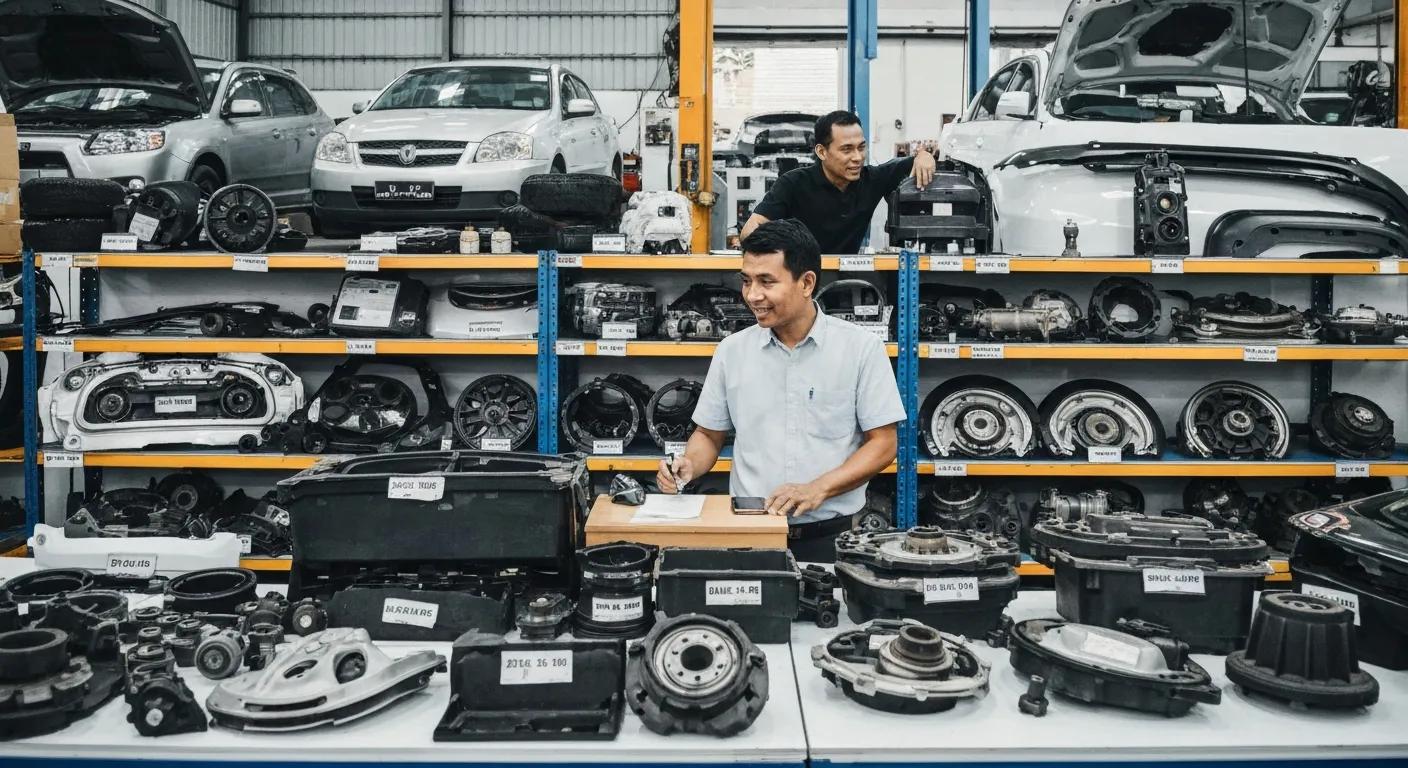
Top-tier used auto parts providers combine extensive inventory with stringent quality checks. Local scrapyards, auto salvage yards, and independent parts dealers frequently list their offerings on mapping services and Google Business Profiles, making proximity searches a breeze. Many businesses prioritize transparent pricing and robust post-sale support to build lasting customer trust. Understanding where their inventory comes from and how they ensure quality will help you find a reliable shop that balances significant cost savings with dependable parts.
What Kinds of Used Car Parts Can I Find Locally?
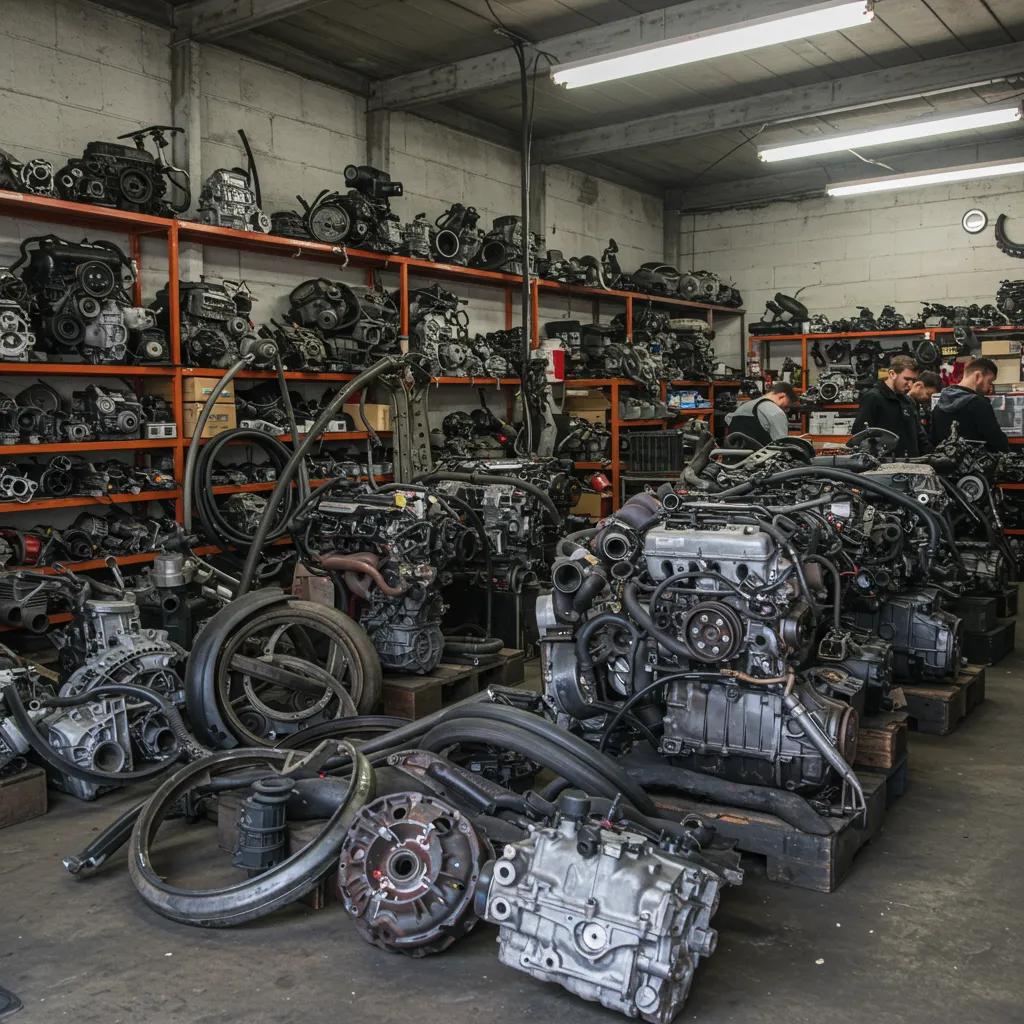
Your neighborhood auto parts stores and salvage yards typically carry a wide array of components, including engines, transmissions, body panels, electronic modules, wheels, and braking systems, all salvaged from vehicles reaching the end of their road life. Increasingly, specialized shops are stocking hybrid and EV components like battery packs and electric motors to meet the evolving demands of modern vehicles. Exploring various facilities ensures you can source both common and hard-to-find parts for both domestic and imported models.
Before you start comparing shops, get a clear picture of typical part categories and their price ranges:
| Component Category | Condition Rating | Estimated Price Range (USD) |
|---|---|---|
| Engines | Verified & Serviced | $800–$2,500 |
| Transmissions | Reconditioned | $600–$1,800 |
| Body Panels | Minor Cosmetic Flaws | $50–$400 |
| Electronics | Functionally Tested | $30–$300 |
| EV/Hybrid Power Units | Battery & Motor Assemblies | $1,200–$5,000 |
How Can I Confirm the Quality and Condition of Used Auto Parts?
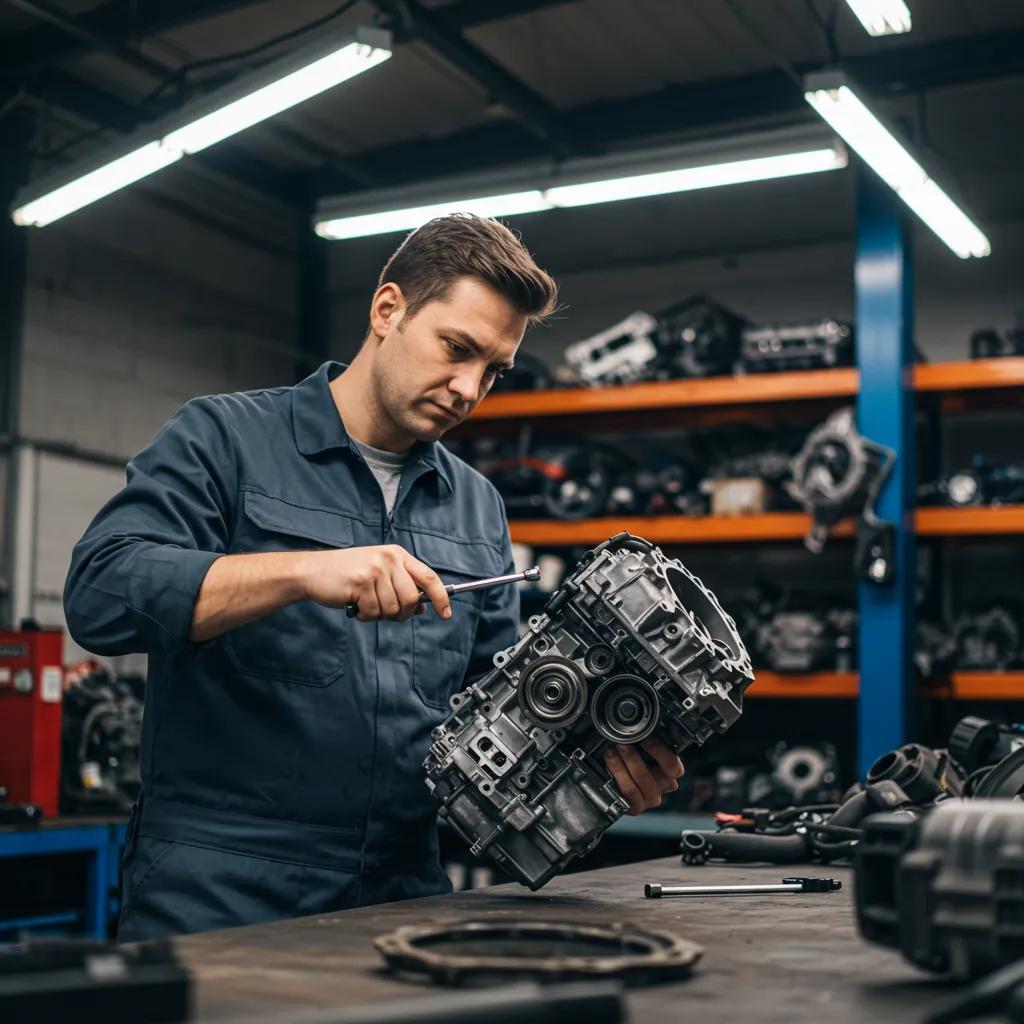
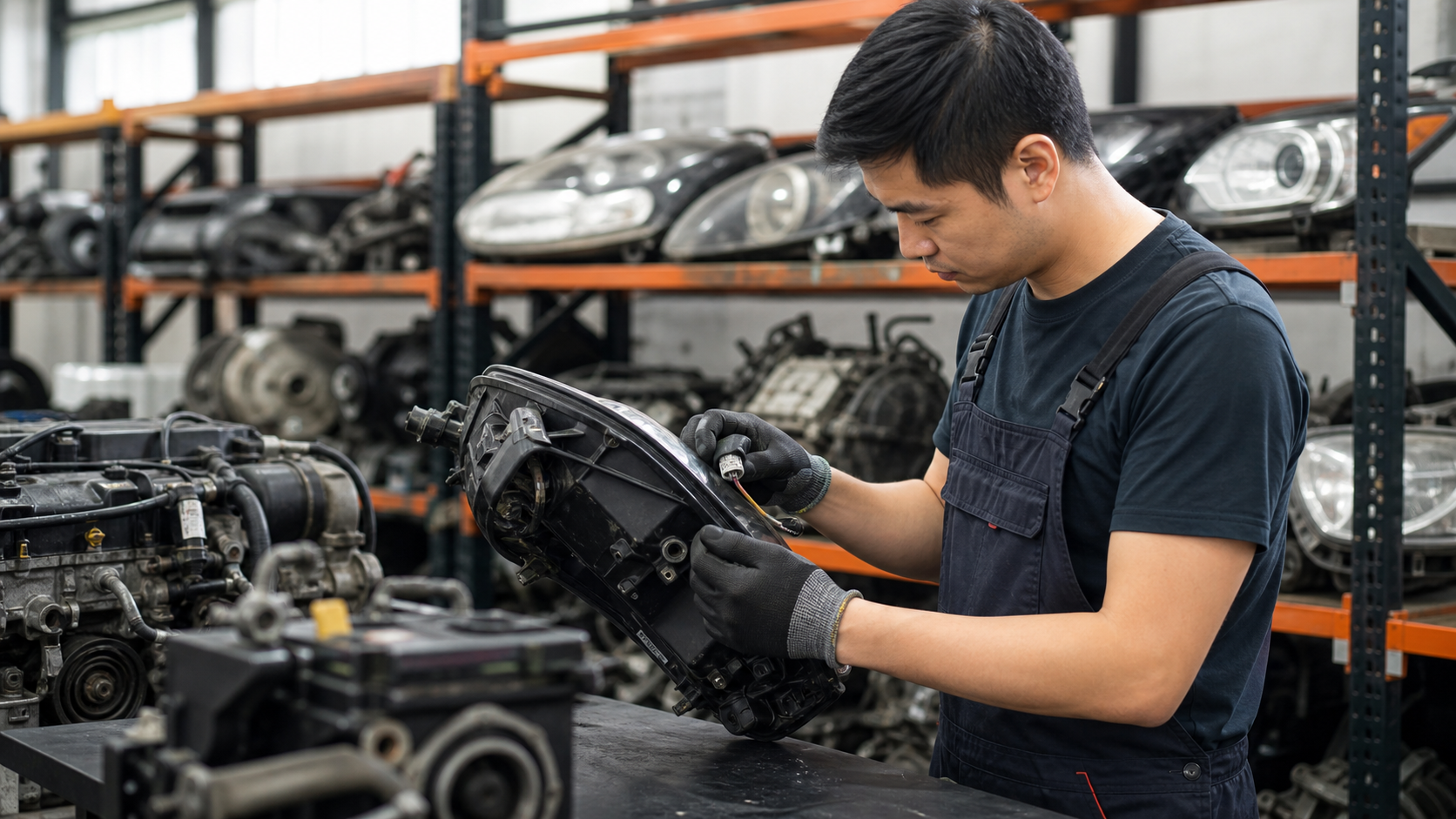
Start your inspection with a thorough visual check for any signs of rust, cracks, or excessive wear. Always confirm that the part numbers and compatibility codes precisely match your vehicle’s VIN to avoid costly mistakes. Reputable suppliers often provide testing documentation for components like alternators and starters, and many offer limited warranties. Inquiring about their testing procedures, such as bench testing or torque verification, significantly reduces the risk of unexpected failures and ensures you’re making a sound purchase.
Which Used Auto Parts Offer the Best Value and Are Most Sought After?
Components like brake rotors, alternators, starters, and suspension parts are consistently in high demand and represent excellent value. These frequently replaced items usually come with competitive pricing and readily available stock. Smaller electronic modules and sensors are often priced very affordably, making them ideal for budget-conscious repairs. Keep in mind that seasonal demand can affect wheel and tire availability, so checking inventories early can help you snag the best deals.
How Do Used EV and Hybrid Vehicle Parts Fit into Local Inventory?
As more electric and hybrid vehicles reach their end-of-life, used batteries, electric motors, and inverter modules are becoming increasingly common finds at salvage yards. Shops specializing in recycled EV components rigorously test battery pack capacity and motor continuity. While these parts may carry a higher price tag than traditional components, the savings compared to new units can still be substantial, often ranging from 30% to 40%. Embracing these options not only extends the operational life of electric and hybrid vehicles but also lessens the environmental impact associated with manufacturing new battery technology.
How Do Local Auto Salvage Yards Handle Buying and Selling?
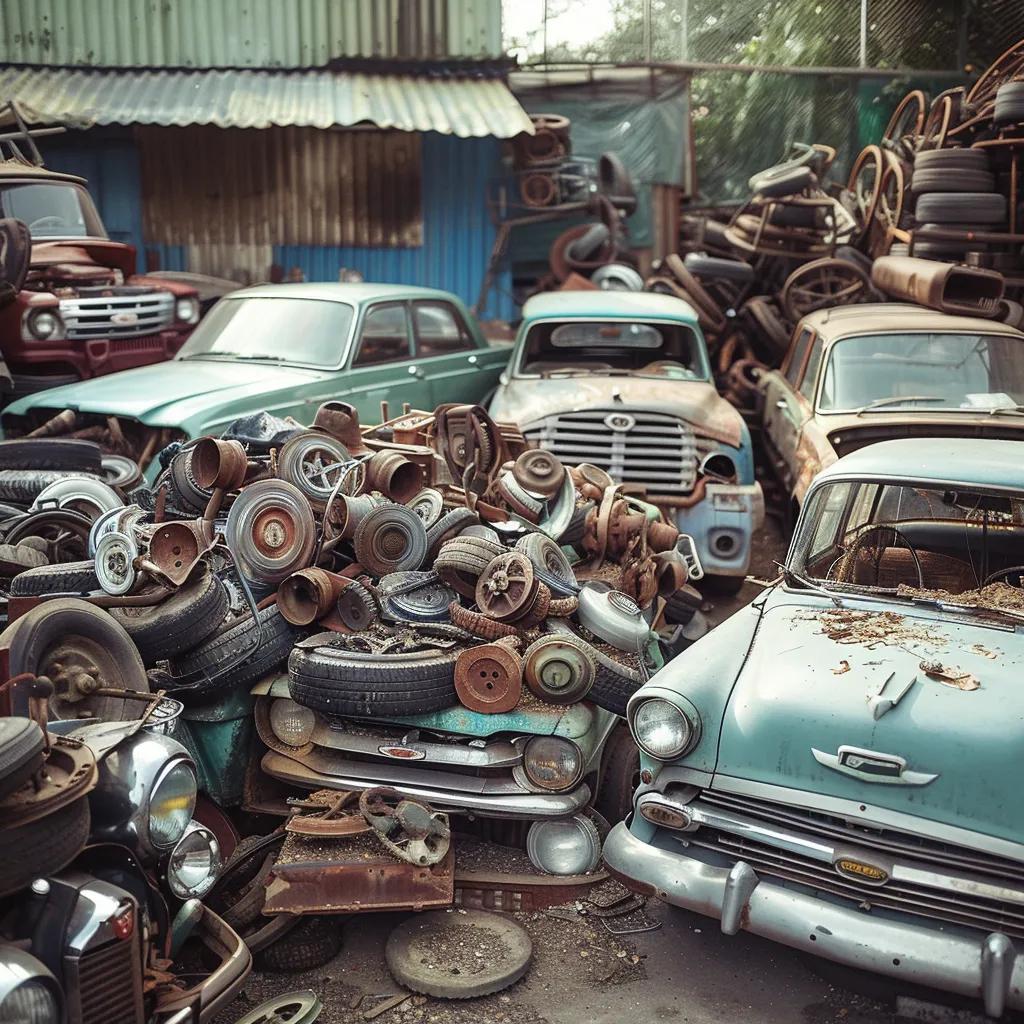
Auto salvage yards operate as both comprehensive dismantling centers and direct parts retailers. These businesses acquire vehicles that have reached the end of their service life, carefully remove all usable components, and then list them for sale either through on-site bins or detailed inventory catalogs. Many yards offer a self-service “pick and pull” option, allowing customers to remove parts themselves, while full-service counters cater to those who prefer assistance or installation. Understanding these operational models will help you engage more effectively with what salvage yards have to offer, whether you’re buying or selling.
What Services Do Local Salvage Yards Provide for Used Parts and Vehicles?
Salvage yards typically offer a range of services, including:
- Full-service parts sales, often with installation support.
- Designated self-service areas for parts removal.
- Sophisticated inventory systems with make and model filters.
- Cash-for-junk-car programs, complete with towing arrangements.
How Does the Pick and Pull Self-Service Model Work at Salvage Yards?
In the pick and pull sections, you can enter designated zones, locate a specific vehicle using its inventory tag, and remove the parts you need yourself. Yards usually provide safety equipment and approved tools, charging either by the hour or per part removed. This approach significantly cuts down on labor costs, making it an attractive option for skilled DIYers looking to secure components at a lower price before heading to checkout.
What Are the Environmental Advantages of Using Auto Salvage Yards?
By giving salvaged parts a second life, we reduce the demand for new manufacturing, which can cut CO₂ emissions by as much as 35% per component. Salvage yards play a crucial role in diverting materials like metal, plastic, and fluids from landfills through effective recycling processes. These operations are vital for supporting a circular economy by extending the lifespan of components and minimizing the need for raw material extraction, aligning perfectly with the sustainability goals of North America’s substantial $85 billion vehicle recycling industry (as projected for 2025).
Research into automotive component reuse highlights its significant potential for economic and environmental benefits, particularly in mitigating the impact of end-of-life vehicles.
Promoting Automotive Component Reuse in Malaysia for Economic and Environmental Gains
This research seeks to establish the practice of automotive component reuse within Malaysia’s domestic automotive sector. It focuses on identifying viable components for reuse, thereby enhancing both the economic advantages and the overall reusability of automotive parts. Furthermore, this initiative is projected to mitigate the environmental repercussions associated with End-of-Life Vehicles (ELVs).
Initiating automotive component reuse in Malaysia, DA Wahab, 2009
How Can I Find Parts for a Specific Vehicle Make and Model at Salvage Yards?
Most salvage yards meticulously tag vehicles by year, make, and model, and some even offer searchable online inventories. Utilize their inventory filters to pinpoint specific engines, transmissions, or body panels that match your vehicle’s VIN. Calling ahead with precise part numbers can save you valuable time and confirm availability before you make the trip for pick and pull or full-service assistance.
How Can I Sell My Junk Car for Cash Locally?
Turning your end-of-life vehicle into cash is a straightforward process with minimal hassle. Local auto recyclers assess your car’s scrap value based on its weight, material composition, and the potential for salvaging usable parts, then provide quotes reflecting current market rates for metals and demand for reusable components. Following a clear, step-by-step procedure ensures prompt payment and promotes responsible disposal.
What Is the Standard Process for Selling an End-of-Life Vehicle Locally?
- Submit your vehicle’s details (make, model, year, condition) for an initial quote.
- Schedule a convenient inspection or towing appointment.
- Complete the necessary ownership transfer documentation.
- Receive immediate payment and arrange for the vehicle’s removal.
How Much Can I Realistically Expect to Receive for My Junk Car?
The amount you receive for your junk car depends on its weight, the value of salvageable parts, and prevailing scrap metal prices. Typically, sellers can expect anywhere from $200 to $800 for common sedans, with SUVs and trucks potentially fetching up to $1,200. Factors like the vehicle’s size, regional scrap market fluctuations, and seasonality can influence the final cash offer, so it’s always wise to get multiple quotes to ensure you get the best possible return.
Are Free Towing and Removal Services Typically Available When Selling Junk Cars?
Absolutely. Many buyers offer complimentary towing services within a specified radius, conveniently bundling removal with the salvage preparation process. This valuable add-on service significantly reduces your effort and eliminates any transportation costs, underscoring the convenience and reliability of local vehicle recycling providers.
How Does Vehicle Recycling Work After I Sell My Junk Car?
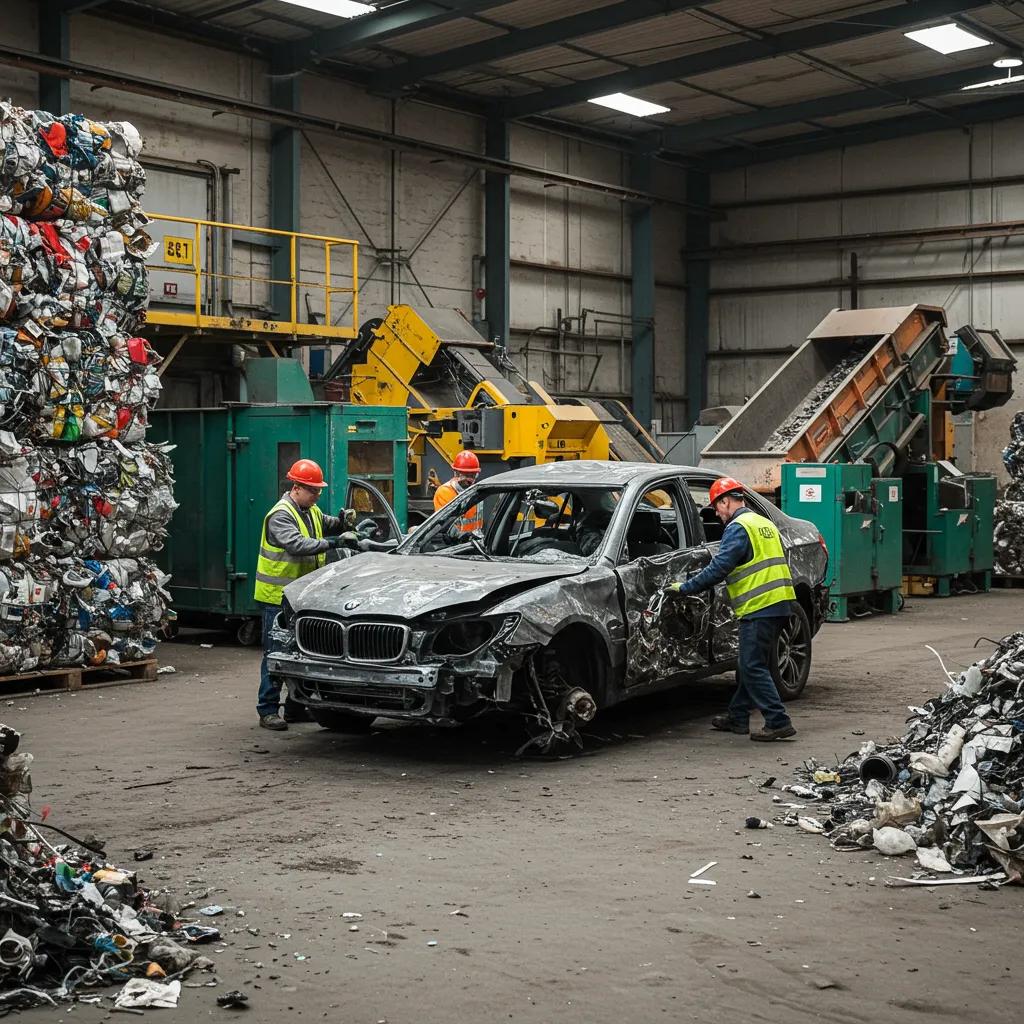
Once acquired, vehicles undergo a thorough process involving fluid drainage, the careful removal of hazardous materials, and systematic mechanical dismantling. Any parts deemed reusable are cataloged for inventory, while the remaining metal shells are compressed and sent to specialized shredders. The recovered materials—steel, aluminum, and others—are then reintroduced into manufacturing supply chains, effectively closing the loop in the circular economy.
What Makes a Local Auto Parts Store the Premier Choice for Used Parts?
Local auto parts stores that specialize in recycled components excel by combining efficient inventory management with rigorous quality controls and exceptional customer service. They often provide certified part conditions, offer limited warranties, and maintain meticulously organized stockrooms for quick retrieval. The convenience of proximity and the benefit of in-person consultations ensure you find the correct parts swiftly, minimizing vehicle downtime and fostering trust through transparent business practices.
How Do Local Stores Guarantee Inventory Quality and Availability?
These stores employ detailed grading systems, assigning a condition code, mileage data, and test results to each part. Regular inventory audits and strong relationships with partner salvage yards ensure a consistent supply of parts. This structured approach prevents stockouts and builds customer confidence that the part they purchase will meet their expectations.
What Are the Common Warranty and Return Policies for Used Parts?
Most stores offer short-term warranties, typically ranging from 30 to 90 days, covering functional defects under normal operating conditions. Return policies usually require proof of purchase and that the part remains in its original condition, with refunds or exchanges processed after a thorough inspection. These policies are designed to provide buyers with peace of mind and essential post-purchase support.
How Do Local Auto Parts Stores Empower DIY Repairs and Maintenance?
Beyond just selling parts, many of these shops offer valuable support services, including diagnostic assistance, tool rentals, and access to repair guides. Some even host regular workshops or demonstrations focused on basic repair tasks, equipping DIY enthusiasts with the knowledge and confidence to tackle their own maintenance. This commitment to hands-on support strengthens customer loyalty and encourages repeat business.
Where Can I Find Customer Reviews and Testimonials for Local Stores?
Platforms like Google Business Profiles, social media pages, and independent review websites are excellent sources for unfiltered customer feedback on part quality, service efficiency, and staff expertise. Reading recent reviews can highlight consistent praise for aspects like fair pricing and dependable warranties, while also flagging any recurring issues, helping you make a well-informed choice.
What Are the Advantages of Buying Used Car Parts from a Junkyard?
Choosing a junkyard for your auto parts needs unlocks significant cost savings, provides access to an extensive selection of components, and offers substantial environmental benefits. Salvaged parts are often 40% to 70% less expensive than brand-new equivalents, while still meeting original equipment manufacturer (OEM) specifications. Furthermore, junkyards actively support circular economy principles by extending the useful life of components and diverting waste from landfills, making them a smart choice for both budget-conscious and environmentally aware drivers.
How Do Junkyards Price Used Car Parts Compared to New Parts?
Junkyard pricing is determined by factors such as part demand, its condition grade, and the value of its constituent materials, frequently resulting in considerable savings compared to new parts.
| Part Type | New Part MSRP (USD) | Junkyard Price (USD) | Savings (%) |
|---|---|---|---|
| Brake Caliper | 120 | 45 | 62.5 |
| Alternator | 250 | 80 | 68 |
| Radiator | 180 | 70 | 61 |
| EV Battery Module | 5,000 | 3,200 | 36 |
Are Used Parts from Junkyards Reliable and Safe?
Yes, when sourced from reputable junkyards that conduct thorough functional testing and cleaning, used parts can reliably meet or exceed original performance standards for many applications. Certification labels and short-term guarantees further validate their dependability. Ensuring proper installation by certified technicians is key to their safe integration into your vehicle’s systems.
How Can I Identify Compatible Parts for My Vehicle at a Junkyard?
Ensuring compatibility relies on matching OEM part numbers and cross-referencing your vehicle’s VIN. Utilize the make/model guides or digital compatibility tools often available at the yard. Carefully inspect mounting points, connector types, and any serial plates to confirm a perfect fit before you remove the part. This diligence prevents installation delays and avoids the hassle of returns.
What Are the Environmental Benefits of Choosing Junkyard Parts?
Reusing components conserves valuable raw materials and significantly reduces the energy required for new manufacturing processes. Salvaged parts help minimize landfill waste and lower carbon emissions by eliminating the need for new production and transportation. These advantages align with industry projections anticipating a doubling of vehicle recycling volumes by 2032, fostering robust growth in the sustainable aftermarket sector.
How Can I Find the Best Car Parts Shop Near Me Using Local Search Tools?
Today’s local search tools make discovering nearby auto parts providers incredibly simple. Utilize store locators on popular mapping platforms, explore optimized Google Business Profiles, and leverage voice-search assistants for instant identification of shops that match your “car parts shop near me” query. Prioritizing verified listings and positive user ratings will ensure an efficient and trustworthy selection process.
How Can I Use Store Locators and Maps to Find Nearby Auto Parts Shops?
Simply type keywords like “scrapyard near me” or “scrap yard near me” into your preferred mapping app to see shops within your driving range. You can filter results by specific services offered—such as pick and pull, full-service parts sales, or vehicle recycling—to narrow down your options. Map pins often include essential details like operating hours and photos, helping you choose a facility that fits your repair schedule and service needs.
What Role Do Google Business Profiles Play in Finding Local Shops?
Google Business Profiles prominently display business names, service categories, customer reviews, and photos directly within search results. Verified profiles that feature up-to-date attributes—like highlights of parts inventory, warranty information, and specific service offerings—tend to rank higher in local search results. Checking the completeness of a profile can help you confirm a shop’s credibility before you visit.
How Can I Check Store Hours, Contact Information, and Directions Online?
Mapping tools and business profiles readily provide store hours and phone numbers, while voice assistants can relay this information verbally. Previewing images of storefronts and parking areas can help you plan your visit more effectively. Saving your frequently visited shops within your mapping app streamlines future parts runs and repeat visits.
What Are the Primary Local Areas Served by Car Parts Shops Near Me?
Many shops clearly define their service areas, often including specific neighborhoods, surrounding suburbs, or entire counties, to indicate their delivery and towing coverage. Commonly served zones extend up to a 20-mile radius. Understanding these service areas can help you identify which outlets offer complimentary removal services for junk cars and prioritize prompt parts delivery.
How Does Vehicle Recycling and End-of-Life Vehicle Services Operate Locally?
Local recycling facilities integrate dismantling, materials recovery, and strict environmental compliance into a cohesive service. Licensed recyclers follow regulated procedures to safely drain fluids, separate hazardous components, and process scrap vehicle shells. This comprehensive workflow protects local communities, recovers valuable resources from end-of-life vehicles, and supports the broader goals of the circular economy.
What Are the Steps Involved in Recycling Your Old Vehicle at a Local Facility?
- Vehicle intake and verification of ownership documents.
- Careful extraction of all fluids (oil, coolant, fuel).
- Removal of hazardous materials (batteries, refrigerants).
- Systematic dismantling of any reusable parts.
- Shredding of metal components and sorting of materials.
How Do Local Shops Manage Scrap Car Removal and Disposal?
Certified recyclers coordinate towing services, meticulously drain hazardous fluids, and perform dismantling on-site. The remaining scrap shells are then compressed and sorted by material type (steel, aluminum, plastics) before being sent to specialized processing facilities. These procedures strictly adhere to environmental regulations for air and water quality, preventing toxic contamination and maximizing material reuse.
Effective inventory management is crucial for automotive parts supply chains, ensuring that both locally sourced and imported components are available throughout a vehicle’s entire life cycle, from production to its end-of-life.
Inventory Management Models for Automotive Parts Supply Chains: Supporting the Full Vehicle Life Cycle
This research investigates inventory management models within automotive parts supply chains, specifically designed to support vehicles utilizing both locally sourced and imported components throughout their entire life cycle. This includes managing inventory for vehicles during current production phases as well as after production has ceased.
System dynamics comparison of three inventory management models in an automotive parts supply chain, J Grobler, 2017
What Regulations and Environmental Standards Govern Vehicle Recycling?
Recyclers must comply with federal and state regulations concerning hazardous waste management, emissions control, and material tracking. These standards dictate proper procedures for fluid disposal, battery recycling, and the management of shredder residue. Adherence to clean-water permits and air-quality regulations ensures that recycling operations safeguard public health and maintain community trust.
How Does Recycling Contribute to the Circular Economy and Sustainability?
Recycling end-of-life vehicles allows for the recovery of valuable metals and components for remanufacturing, potentially reducing the need for virgin materials by up to 80%. This closed-loop system lowers energy consumption in manufacturing, cuts greenhouse gas emissions, and promotes sustainable resource management. As the adoption of electric vehicles continues to grow, integrating battery and electric motor recycling will further enhance circularity within the automotive sector.
Used and recycled auto parts shops offer significant cost savings, reliable quality assurance, and crucial environmental advantages by extending component lifespans and minimizing waste. Whether you’re searching for a replacement transmission, selling a junk car with free towing, or browsing local listings on mapping tools, these facilities provide dependable service for both buyers and sellers. Embracing recycled components and responsible vehicle disposal practices strengthens community sustainability and helps keep your repair budgets manageable. The smart choices you make today pave the way for more affordable and eco-friendly automotive solutions tomorrow—explore your local options and drive towards a greener future.