Choosing a used car exporter Singapore vehicle owners can rely on requires looking beyond the highest initial quotation.
Selling an older car in Singapore often starts with a few calls or WhatsApp messages asking for quotations. It is tempting to choose the highest number and settle the deal quickly, but the largest initial offer is not always the amount you eventually receive.
Different buyers may also see different value in the same vehicle. A dealer may want to resell it locally. A scrapyard may be interested in its reusable parts and metal. A used car exporter in Singapore may believe the whole vehicle – or components such as the engine and gearbox – has stronger demand overseas.
That is why quotations can differ so much.
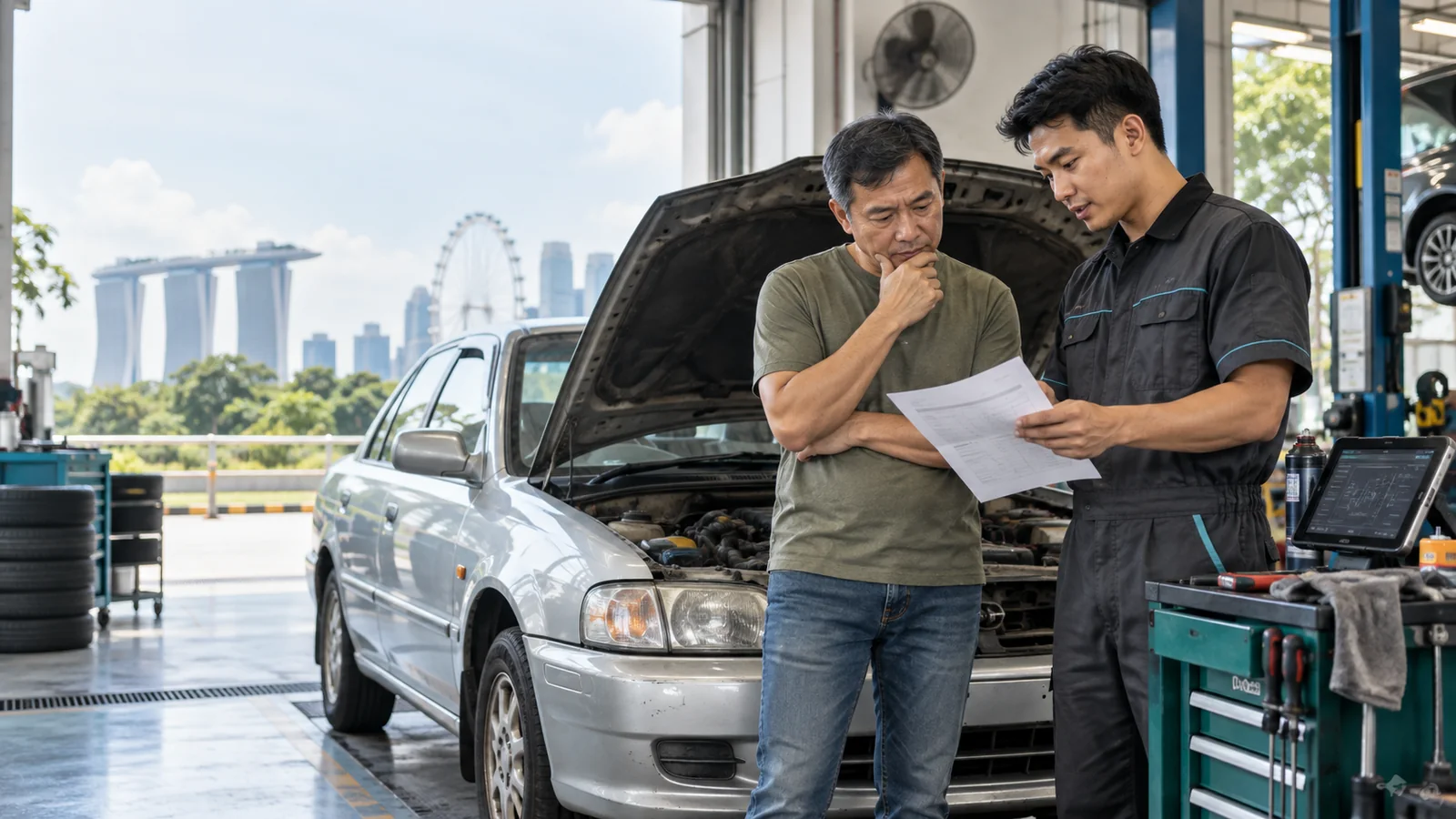
Before handing over your car, take some time to understand how the exporter has valued it, what is included in the offer, who will handle the paperwork and when you will be paid.
Used Car Exporter Singapore: What Does a Company Actually Do?
A used car exporter looks at whether a vehicle can achieve better value outside Singapore than it can in the local resale market.
That does not necessarily mean the entire car will be shipped overseas. Depending on its age, model and condition, an exporter may:
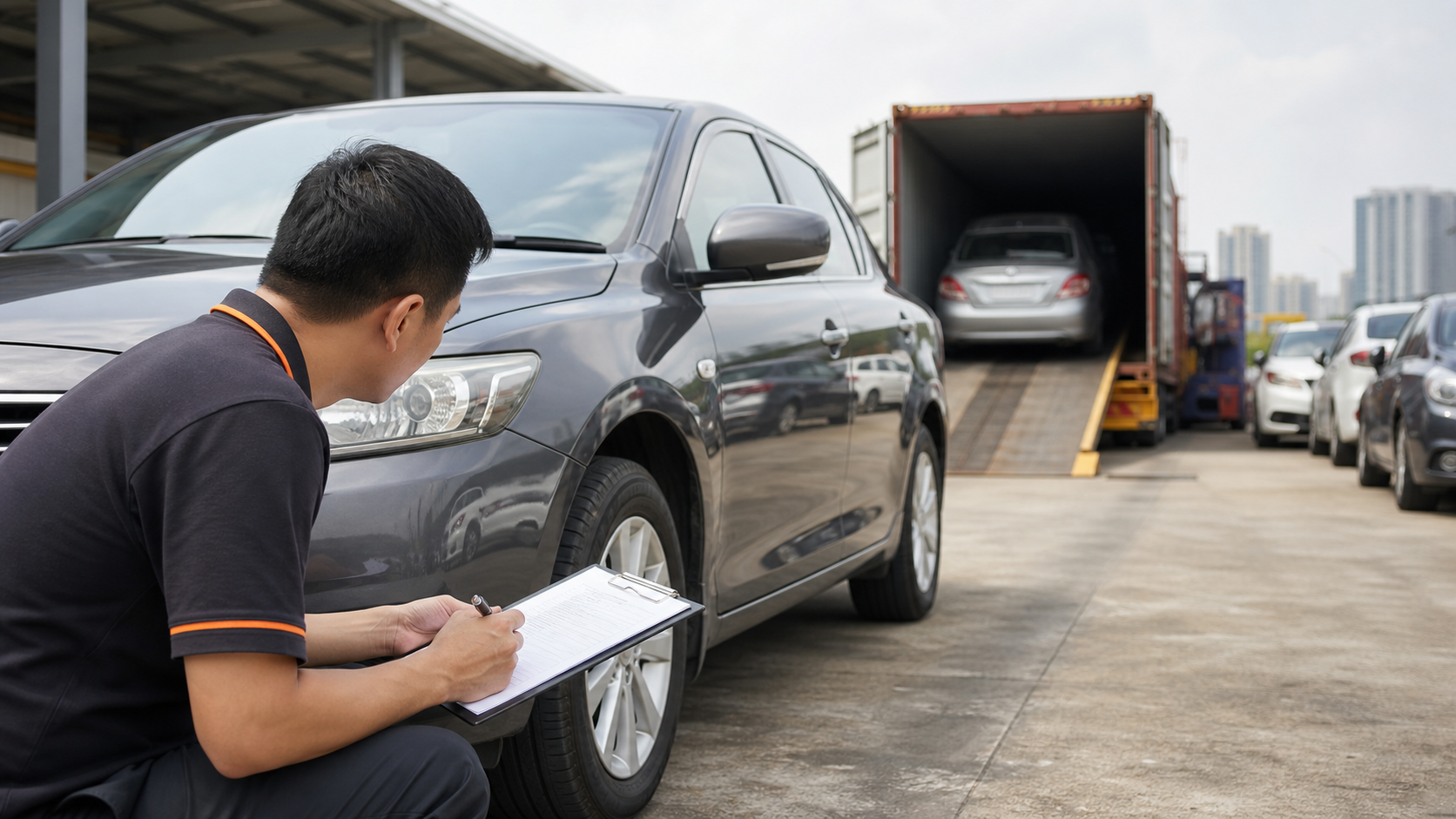
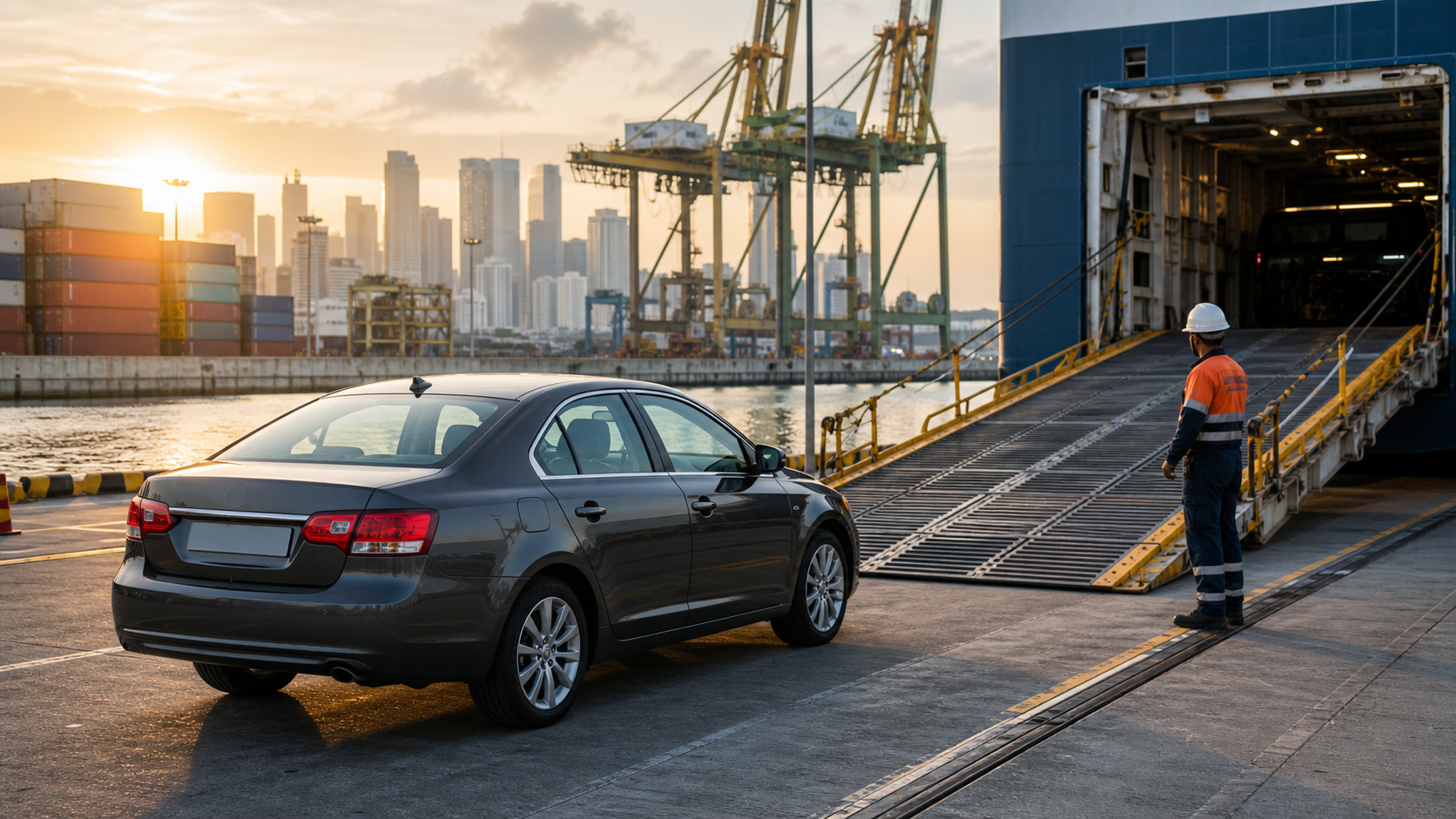
- Export the complete vehicle
- Dismantle the car and export selected components
- Supply usable parts to workshops or vehicle owners in Singapore
- Recommend scrapping when export is not financially practical
A responsible exporter should assess each vehicle individually.
For example, a well-maintained car with a healthy engine and gearbox may be suitable for complete export. A badly damaged vehicle may not be worth shipping as a whole, but it could still contain doors, lights, interior parts or mechanical components that are useful locally or overseas.
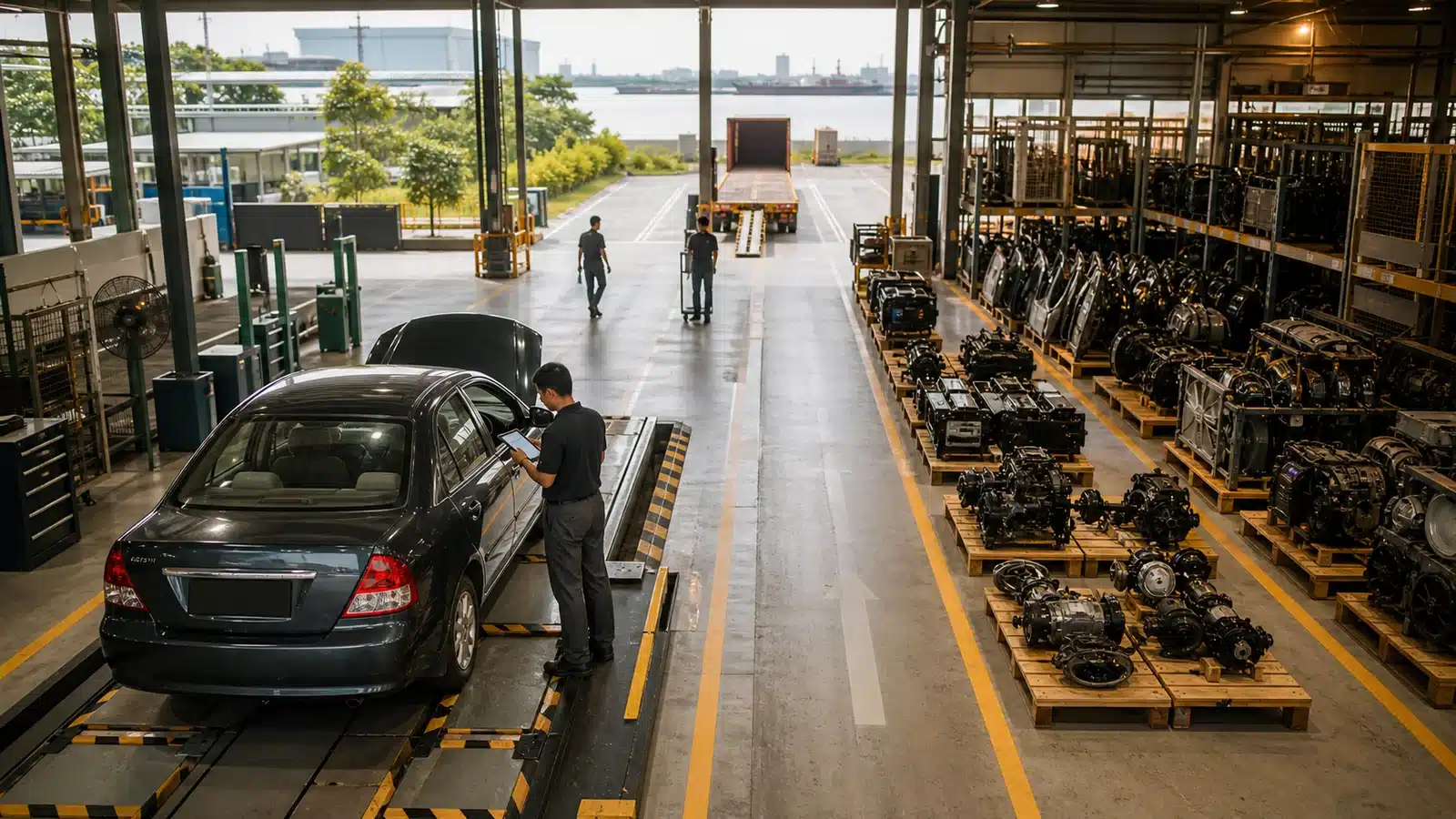
Everise Auto handles vehicle buying, dismantling, parts recovery, packing and export. Because the company works across these areas, it can assess whether a car is better suited for complete export, parts recovery or scrapping instead of valuing every vehicle as scrap metal.
Why Are Used Cars Exported From Singapore?
A car that has limited resale demand in Singapore may still be useful in another country.
Every vehicle market is different. A model that is considered old locally may remain popular elsewhere because workshops know how to repair it, replacement parts are easy to find and labour costs are lower.
In some markets, buyers may be interested in the complete vehicle. In others, the strongest demand may be for individual components such as:
- Engines
- Manual and automatic gearboxes
- Body panels
- Doors and side mirrors
- Headlights and rear lights
- Electronic control modules
- Suspension components
- Rims
- Interior fittings
However, being old does not automatically make a car valuable for export. Shipping, handling, storage, paperwork and preparation all cost money. The exporter must consider these expenses before deciding what the vehicle is worth.
What Affects the Export Value of a Used Car?
There is no standard export price based only on a vehicle's age or registration year. Two cars registered in the same year can receive very different offers.
Here are the main factors an exporter will usually consider.
Make and model
Some models have much stronger demand in overseas markets than others.
A vehicle that is uncommon in Singapore may be widely used in another country. Similarly, a locally popular car may not be suitable for export if there is little overseas demand for that particular model.
The availability of spare parts and workshop support in the destination market can also affect the offer.
Registration year
The age of the vehicle can determine where it may be imported, registered or resold.
Import rules differ from one country to another. Some destinations limit the age of imported vehicles, while others allow older cars to enter under specific conditions.
A newer vehicle is therefore not automatically suitable for every export market.
Engine and gearbox condition
The engine and gearbox are often among the most valuable parts of an older car.
A vehicle that cannot be driven may still receive an offer if these components are usable. On the other hand, a car with a clean body but a badly damaged engine may be worth less than expected.
When asking for a quotation, mention any known problems such as overheating, oil leakage, unusual noises, transmission issues or difficulty starting the car.
Accident history
An accident does not always remove the possibility of export.
Consider a car with serious rear-end damage. The boot and rear body panels may be unusable, but the engine, gearbox, front panels, dashboard and seats could still be in good condition.
The location and severity of the damage matter more than the simple fact that an accident occurred.
Fire, flood or major chassis damage can have a much greater impact because these problems may affect several systems at once.
Whether the vehicle is complete
A complete vehicle is generally easier to inspect, transport and dismantle.
Removing high-value components before requesting a quotation may lower the value of the remaining car. This is particularly true when the engine, gearbox, catalytic converter, wheels or electronic modules have already been taken out.
Selling individual parts may appear more profitable, but it also requires time, storage space and suitable buyers. Compare the value of selling the complete vehicle before dismantling anything yourself.
Current overseas demand
Export demand changes over time.
A certain model may receive a better offer when an overseas buyer is already looking for it. At another time, the same vehicle may have weaker demand.
This is one reason quotations can differ between exporters. One company may already have a market for your vehicle, while another may not.
Collection, shipping and handling costs
The selling price of a similar vehicle overseas is not the amount the owner in Singapore will receive.
Before making an offer, the exporter may need to account for:
- Vehicle collection or towing
- Storage
- Inspection
- Administrative work
- Transport to the port
- Port handling
- Freight charges
- Packing or preparation
- Destination-related costs
The final quotation is normally based on the expected resale value after these costs have been considered.
Is Exporting Better Than Scrapping?
There is no single answer. The better option depends on the car.
| Exporting may make sense when | Scrapping may make sense when |
|---|---|
| The complete vehicle has overseas demand | The vehicle has severe structural damage |
| The engine and gearbox remain usable | Major components are missing |
| The model is popular in another market | Shipping costs are higher than the vehicle's value |
| The vehicle can be repaired economically overseas | The car is mainly useful for parts and recyclable material |
| The exporter already has a suitable buyer | The owner wants a straightforward disposal process |
The Land Transport Authority sets out several recognised disposal routes. A vehicle may be scrapped at an LTA-appointed scrapyard, stored temporarily in an Export Processing Zone while waiting to be exported, or exported directly.
A business that handles both vehicle export and parts recovery can compare the available options before recommending what to do.
How Does the Vehicle Export Process Work?
The exact procedure can depend on the vehicle's PARF eligibility, the chosen export method and whether the owner can complete the required transactions through Singpass.
A few important steps generally need to be addressed.
Obtaining a Customs export permit
A Customs export permit is required before a motor vehicle is permanently exported from Singapore.
The owner or exporter may appoint a declaring agent to submit the application. Permit applications are normally handled electronically through TradeNet.
Before accepting an offer, ask the exporter who will arrange the permit and whether any permit-related cost is already included in the quotation.
Completing LTA deregistration
The vehicle must also be deregistered correctly.
For a PARF-eligible vehicle being exported directly, the process generally involves deregistering the vehicle, completing the export and uploading the required disposal documents within the period specified by LTA.
Different procedures may apply to non-PARF vehicles or owners who are unable to use Singpass.
Do not rely on assumptions or verbal promises. Confirm which procedure applies to your vehicle before it is collected.
Keeping the export records
For export by sea, the required documents may include:
- A Cargo Clearance Permit
- An endorsed, non-negotiable copy of the Bill of Lading
The Bill of Lading should carry the relevant shipment and vehicle information. This may include exporter or importer details, destination, vessel information, container details and the engine or chassis number.
Different records may apply when a vehicle is exported by land or registered in another country.
Rules and submission procedures can change, so check the latest instructions from LTA and Singapore Customs before completing the transaction.
Questions to Ask Before Accepting an Export Offer
A high initial quotation is not useful if several unexpected charges are deducted later.
Before releasing your vehicle, ask the exporter these questions.
Is this the final amount?
Ask whether collection, towing, inspection, storage, administration and export-related work are included.
An offer may reasonably change if the actual condition of the car is significantly different from the description or photographs provided. However, the exporter should explain in advance what could lead to a price adjustment.
Will the car be exported complete?
Find out whether the quotation is based on exporting the complete vehicle or dismantling it for parts.
This can help you understand why one exporter is offering more than another. One buyer may value the car as a complete overseas resale unit, while another may only be interested in the engine and reusable components.
Who will handle the export permit?
Confirm whether the exporter or an appointed declaring agent will manage the Customs permit and related shipping documents.
Also ask whether you need to provide any information or complete any part of the application yourself.
Who will submit the disposal documents?
The process is not necessarily complete just because the vehicle has been collected.
Ask who will submit the required records to LTA, what documents will be provided to you and how you can confirm that the vehicle's status has been updated correctly.
When will I be paid?
Agree on the payment schedule before collection.
Will payment be made before the car is collected, at the point of handover or only after a physical inspection? Make sure the arrangement is written clearly.
What proof of collection will I receive?
You should receive written confirmation showing that the vehicle has been handed over or collected.
Keep this together with the quotation, payment record and any relevant export or deregistration documents.
How to Get a More Accurate Quotation
An exporter cannot provide a reliable valuation using only the vehicle registration number.
Before contacting a used car exporter in Singapore, prepare the following details:
- Make and exact model
- Registration year
- COE expiry date
- Current mileage
- Engine capacity
- Transmission type
- General mechanical condition
- Accident history
- Flood or fire damage, where applicable
- Details of missing parts
- Recent photographs
Take clear photographs of the front, rear and both sides of the vehicle. Include the interior, engine compartment and any damaged sections.
Honesty is important. Mention warning lights, engine noises, oil leaks, overheating, gearbox faults and starting problems.
Providing accurate information at the beginning reduces the chance of the offer changing when the vehicle is inspected.
When requesting an assessment from Everise Auto, share the same details together with your COE expiry date and recent vehicle photographs.
Can an Accident-Damaged Car Still Be Exported?
Yes, in some cases.
The answer depends on the extent of the damage and which parts of the vehicle remain usable.
A badly damaged car may not be suitable for complete export, but it could still contain valuable components such as:
- Engine and transmission
- Doors
- Lights
- Mirrors
- Electronic parts
- Seats and interior trim
- Suspension components
- Body panels away from the damaged area
The exporter may then consider one of three routes:
- Export the complete vehicle for repair.
- Dismantle it and export selected parts.
- Recover usable parts locally and scrap the remaining body.
Clear, recent photographs are particularly important for accident-damaged cars. They allow the exporter to understand the condition before arranging an inspection or collection.
Should You Repair the Vehicle Before Exporting It?
In most cases, obtain a quotation before spending money on repairs.
Work completed in Singapore may not increase the export offer by the same amount. An overseas buyer may prefer to carry out the repairs at the destination, especially where parts and labour are less expensive.
For example, spending heavily on paintwork or body repairs may make the car look better, but it may do little to improve its export value.
Basic cleaning is useful because it makes the vehicle easier to assess. Major repairs, however, should only be considered after comparing the repair cost with the likely increase in the offer.
Why Consider Everise Auto?
Everise Auto buys end-of-life vehicles from different makes and models. Its operations include dismantling, parts recovery, packing and export, as well as supplying used vehicle components to local buyers.
This means the company can assess a vehicle for several possible outcomes:
- Complete vehicle export
- Engine or component export
- Local used-parts recovery
- Vehicle scrapping
For an owner, this can provide a more realistic assessment than receiving a quotation based only on the vehicle's metal weight.
When contacting Everise Auto, provide the make, model, registration year, COE expiry date and current mileage. Include recent photographs and disclose any accident damage or mechanical problems.
The more complete the information, the more accurately the vehicle can be assessed.
What to Do Before Handing Over Your Car
Before collection, remove everything that belongs to you.
Check the boot, glove compartment, centre console, door pockets and spaces underneath the seats. Remember to remove access cards, parking devices, personal documents, memory cards and anything containing private information.
Photograph the vehicle at the point of handover and keep copies of:
- The agreed quotation
- Payment confirmation
- Collection acknowledgement
- Export or disposal records
- Messages exchanged with the exporter
You should be able to follow the transaction from the first quotation through to the final update of the vehicle's status.
Speak to Everise Auto About Exporting Your Vehicle
Choosing a used car exporter in Singapore should involve more than comparing the highest figures received over WhatsApp.
A proper valuation considers the vehicle's actual condition, current overseas demand, reusable parts, shipping costs and the documentation required to complete the transaction correctly.
Everise Auto can assess whether your vehicle is suitable for complete export, parts recovery or scrapping.
Share your vehicle details, COE expiry date, mileage, known mechanical issues and recent photographs to receive a practical assessment based on its present condition.
Helpful answers
Frequently Asked Questions
What does a used car exporter in Singapore do?
A used car exporter purchases vehicles or arranges their sale to overseas buyers. Depending on the vehicle, the exporter may ship it complete or dismantle it and export selected components. The exporter may also coordinate collection, shipping permits and the documents required for the vehicle's disposal records.
Is exporting always more profitable than scrapping?
No. Exporting may provide better value when the complete vehicle or its major components have overseas demand. Scrapping may be more practical when the car has serious structural damage, important parts are missing or the cost of preparing and shipping it is too high.
Do I need to deregister the car before it is exported?
The correct sequence depends on the vehicle's PARF eligibility and the owner's circumstances. PARF-eligible and non-PARF vehicles may follow different procedures. Check the latest LTA instructions for your vehicle before completing the transaction.
What documents are needed to export a car from Singapore?
A Customs export permit is required. For export by sea, the supporting records generally include a Cargo Clearance Permit and an endorsed, non-negotiable Bill of Lading. Different documents may apply to land export or registration in a foreign country.
Can a non-running car still have export value?
Yes. A non-running vehicle may still contain a usable engine, gearbox, electronic components, body panels or interior parts. Its value will depend on the fault, the condition of the remaining components and current demand.
What should I provide when requesting a quotation?
Provide the vehicle's make, model, registration year, COE expiry date, mileage, engine and transmission details, known mechanical problems, accident history and recent photographs. Clear and accurate information will help the exporter prepare a more realistic quotation.